As pet owners increasingly prioritize the health and well-being of their feline companions, the choice of cat food plays a crucial role in ensuring optimal nutrition. Wet cat food has gained popularity not only for its palatability but also for its numerous health benefits, including enhanced hydration and improved digestion. With a plethora of options available on the market, selecting the best wet cat food can be overwhelming. This article presents a curated list of vet-approved wet cat food choices for 2025, offering insights into the nutritional needs of cats, key ingredients to look for, and considerations for specific dietary restrictions. Whether you are making a transition or simply reviewing your cat's diet, this guide will help you make informed decisions to support your pet’s health.
Understanding the Nutritional Needs of Cats
Essential Nutrients for Feline Health
Cats are obligate carnivores, which is just a fancy way of saying they thrive on a diet primarily made up of meat. Key nutrients they need include high-quality protein (for muscle maintenance and energy), taurine (an essential amino acid for heart and eye health), and arachidonic acid (a fatty acid that supports skin and coat health). They also require vitamins like A, B, and D, as well as minerals like calcium and phosphorus. In short, if your cat could pick a diet, it would likely be something that sounds suspiciously like a steak dinner — hold the salad!
The Role of Moisture in Cat Diets
Cats naturally have a low thirst drive, which means they often don’t drink enough water on their own. This is where wet food shines bright like a diamond in the cat food aisle! Wet cat food provides a sizeable moisture content (often around 70-80% water), helping to keep your feline friend hydrated. This is especially important as dehydration can lead to serious health issues, like urinary tract problems. Wet food is pretty much like a spa day for your cat — refreshing and oh-so-hydrating!
Benefits of Wet Cat Food
Hydration Benefits
As mentioned earlier, hydration is a key benefit of wet cat food. Cats that consume adequate moisture in their diet can maintain healthy kidney function and urinary health. Think of it as an all-in-one drink and meal combo. Plus, it’s easier to trick your picky kitty into staying hydrated—just mix in some tasty wet food, and voilà! Your cat is slurping away instead of eyeing that water bowl like it’s the enemy.
Palatability and Taste Preferences
Let's face it—cats can be drama queens when it comes to food. Wet cat food usually wins the "Best Actor in a Dinner Role" award for its enticing aroma and mouthwatering texture. Most felines find wet food to be more palatable than dry kibble, which translates to fewer food tantrums at mealtime. So, if you want to encourage your fussy eater to dig in, wet food could easily become their new culinary obsession.
Weight Management and Satiety
For the chubby furballs out there, wet cat food can be beneficial for weight management. The high moisture content helps cats feel full without packing in too many calories. Since wet food typically has lower caloric density than dry food, it allows for larger meal portions without the risk of overfeeding. It’s like offering your cat a buffet while still being the responsible pet parent who says, “No seconds!”
Top Vet-Approved Wet Cat Food Brands for 2025
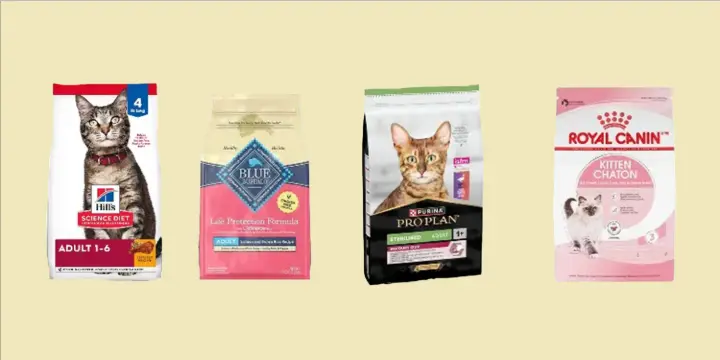
Brand A: Ingredients and Reviews
Brand A is known for its commitment to quality ingredients, featuring real meat as the first ingredient and avoiding by-products. Reviews rave about its palatability, with many cats devouring it like it’s their last meal on Earth. Also, it’s free from unnecessary fillers and preservatives, making it a solid choice for health-conscious cat parents. If your kitty has taste buds akin to royalty, this brand may just be their new favorite feast.
Brand B: Unique Selling Points
Brand B stands out with its innovative recipes designed for specific health needs, such as weight control or sensitive stomachs. Their wet food options are crafted with high moisture content, antioxidants, and fiber to promote healthy digestion. Plus, they offer a range of flavors that could make a gourmet restaurant jealous. If your cat has particular health requirements or just an insatiable appetite for variety, Brand B might fit the bill perfectly!
Brand C: Cost and Availability
Brand C combines budget-friendliness with quality, making it a fan favorite among cat owners. While it doesn’t skimp on ingredients, it remains easily accessible at most pet stores and online retailers. So, if you're looking for something that doesn’t break the bank but still provides your feline friend with the nutrition they need, Brand C is definitely on the radar!
Key Ingredients to Look for in Quality Wet Cat Foods
High-Quality Proteins
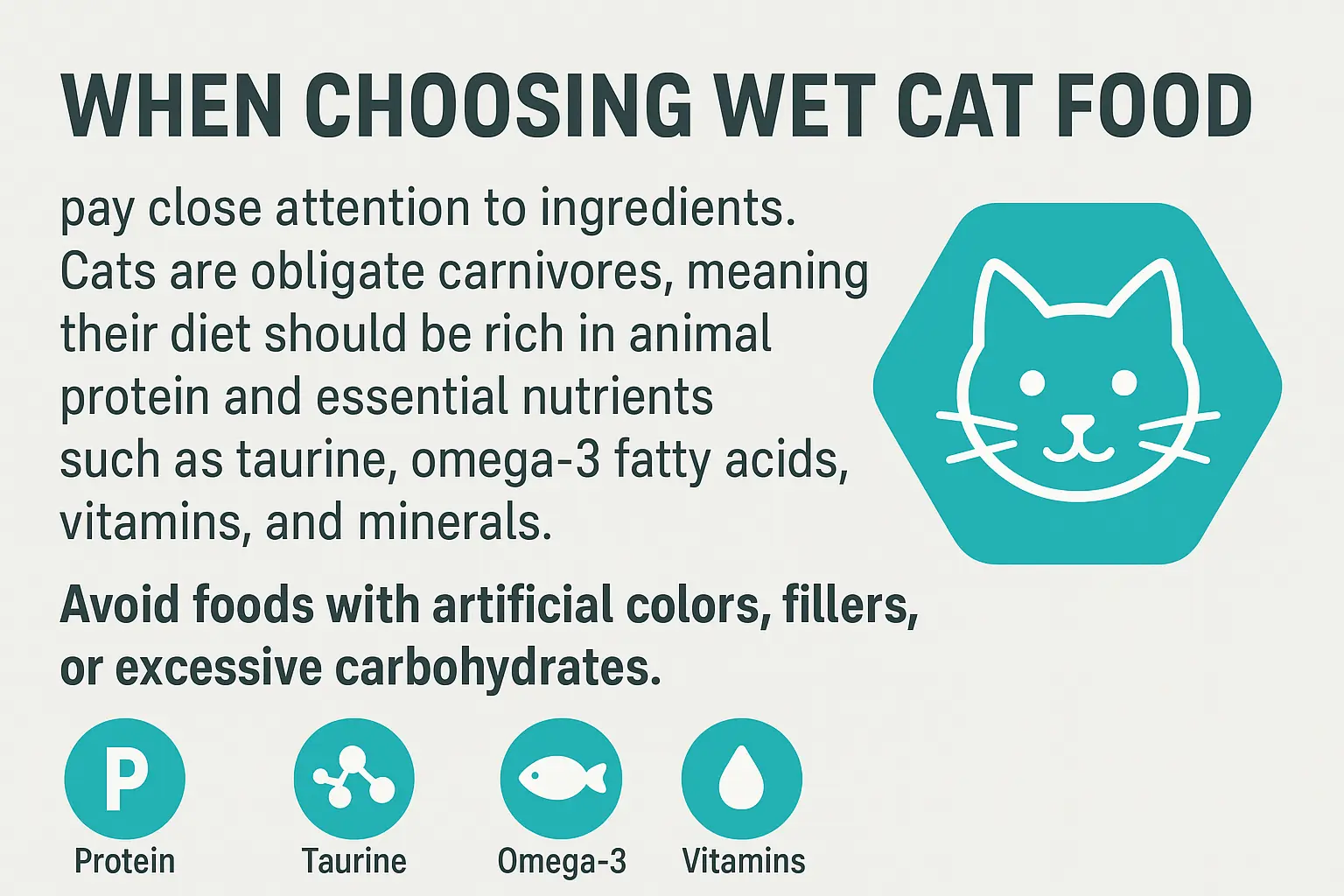
When scanning ingredient labels, make sure to prioritize high-quality protein sources, such as chicken, turkey, or fish. Avoid foods that list vague terms like “meat by-products” or “animal meal.” You wouldn’t want an uninvited mystery ingredient in your dinner, would you? Your kitty deserves only the best meat, served on a silver platter—at least we can pretend, right?
Healthy Fats and Oils
Healthy fats are crucial for your cat’s skin and coat health. Look for options that incorporate sources of omega fatty acids, like fish oil or flaxseed. Not only do these fats keep your cat's coat shiny and smooth, but they also contribute to overall health. Think of healthy fats as the secret sauce that makes everything better (except pizza—let's not go there).
Vitamins and Minerals
A good wet cat food should also contain a balanced mix of vitamins and minerals. Look for added vitamins like A, D, and E, and minerals such as calcium and phosphorus. These nutrients help support your kitty’s immune system, bone health, and overall well-being. After all, who doesn’t want a superhero cat? All it takes is a good meal!
Special Considerations for Cats with Dietary Restrictions
Food Allergies and Sensitivities
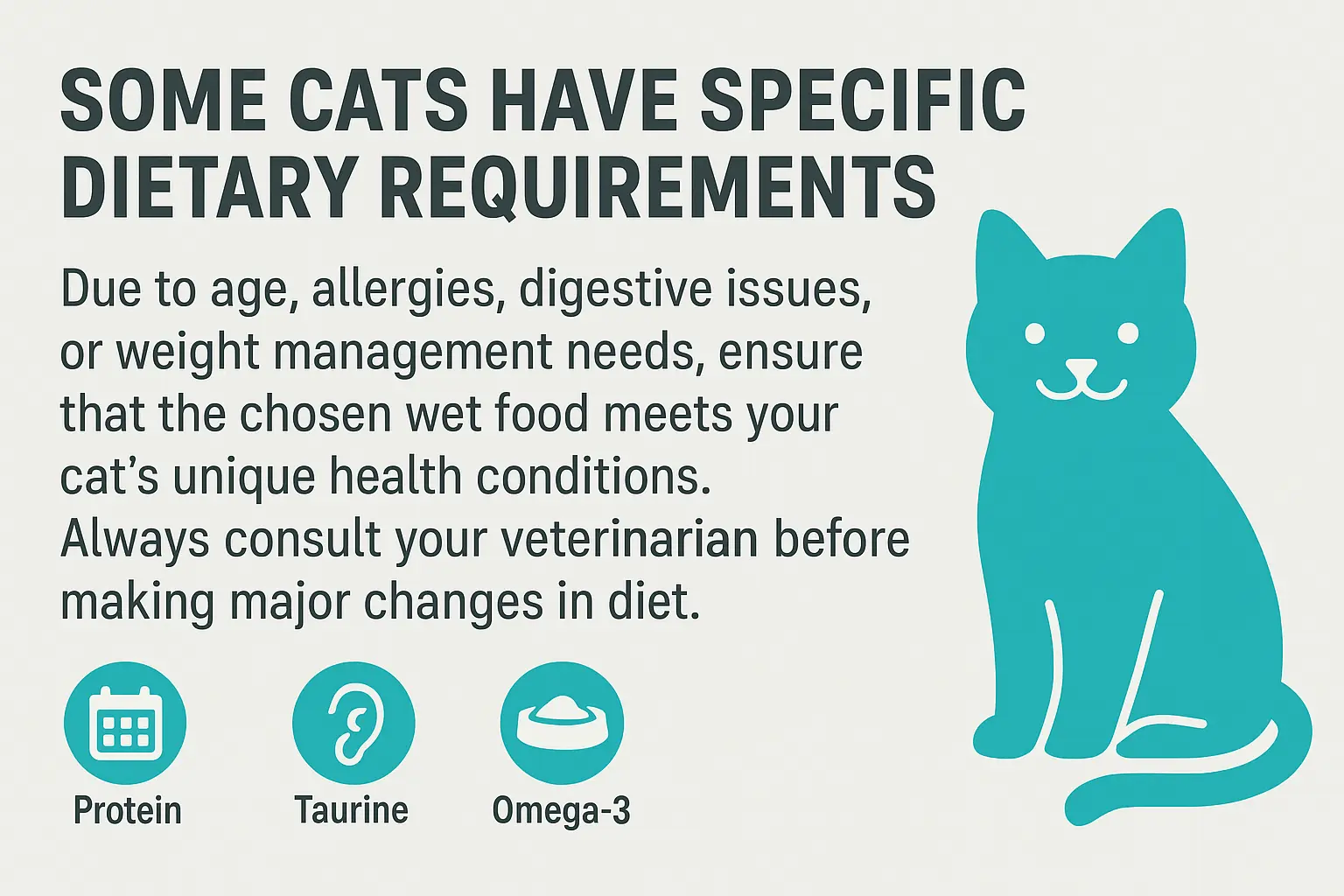
Cats can be rather finicky, and not just about their scratching posts. Food allergies and sensitivities may cause a range of issues from upset tummies to irritated skin. When selecting wet cat food for your furry friend, look for options that feature limited ingredients or are labeled as hypoallergenic. It's important to consult your vet to determine the best protein sources, as some cats may react to common ingredients like chicken or fish. Remember, a happy cat is a well-fed cat—without the tummy troubles!
Prescription Diets for Health Conditions
If your cat has specific health issues, they may require a prescription diet. These specially formulated wet foods can address concerns like kidney disease, urinary tract issues, or obesity. Always consult the vet before switching to a prescription diet—they're like the wise old cats of the vet world! And while these foods can sometimes have a higher price tag, they are tailored to meet your cat’s unique needs and can potentially save on future vet bills.
Comparing Wet Cat Food Options: Price vs. Quality
Understanding Price Points
When it comes to wet cat food, you might wonder why some cans cost as much as a fancy coffee. Premium brands often use high-quality ingredients and do not contain the mysteries of the meat world (we're looking at you, "meat by-products"). Generally, you'll find a range of price points reflecting the quality of ingredients used. While it's tempting to go for the cheapest option, consider the long-term health of your feline companion—because "you get what you pay for" applies here, too.
Evaluating Cost-Effectiveness
Cost-effectiveness isn’t just about the price on the label; it’s also about how long that can of cat food lasts and how satisfied your kitty is after mealtime. Cheaper foods may require your cat to eat more to feel full, leading you to spend more in the long run. Look for wet cat foods that provide good nutritional value and, ideally, have a high meat content. Balancing quality with price is like finding the sweet spot between luxury cat beds and simply letting them sleep on your head—your cat might thrive best on the former!
Tips for Transitioning Your Cat to Wet Food
Gradual Introduction Strategies
Switching your cat from dry kibble to wet food shouldn’t be like turning a light switch on and off—slow and steady wins the race! Start by mixing a small amount of wet food into their dry food over the course of a week. Gradually increase the proportion of wet food, while decreasing the dry, until they’re fully transitioned. Your cat may be a bit wary at first, but with some patience (and maybe a sprinkling of kitty magic), they’ll likely come to love the new textures and flavors!
Monitoring Your Cat’s Response
Once you've made the switch, keep an eye on how your cat is adjusting. Are they eagerly devouring their meals or turning their nose up like it’s a broccoli buffet? Watch for any signs of digestive upset, such as vomiting or changes in stool consistency. If you notice anything concerning, don’t hesitate to reach out to your vet. Just remember, every cat is a unique little diva, and what works for one may not work for another.
FAQ
How Much Wet Food Should I Feed My Cat?
The amount of wet food you should feed your cat depends on their weight, age, and activity level. Most adult cats typically need about 2-4 cans of wet food a day, but always check the feeding guidelines on the can and adjust based on your cat's needs. Think of it as a buffet: don’t let them go all-you-can-eat if they’re more of a light snacker!
Can Wet Food be Mixed with Dry Food?
Absolutely! Mixing wet and dry food can be a great way to offer variety and texture to your cat’s diet. Just make sure to balance the total calorie intake to prevent your kitty from becoming a little round ball of fluff. Your cat might love the gourmet combo, and you’ll enjoy the sight of them happily munching away.
Is Homemade Wet Cat Food a Good Option?
Homemade wet cat food can be a great option for some owners, as long as you do your homework. You’ll need to ensure that the recipes are nutritionally balanced and meet your cat's specific dietary needs. Talking to your vet or a pet nutritionist can help you create a meal plan that doesn’t just look delicious on Instagram but also keeps your cat healthy and purring with joy!Choosing the right wet cat food is essential for your cat's health and happiness. By considering the vet-approved options highlighted in this article, along with the nutritional needs and preferences of your feline friend, you can make informed decisions that promote their well-being. Remember to consult your veterinarian when making significant changes to your cat's diet, especially if they have specific health considerations. With the right wet food, you'll be helping your cat thrive, ensuring they enjoy every meal while staying healthy and hydrated.
FAQ

How much wet food should I feed my cat?
The amount of wet food to feed your cat depends on their age, weight, activity level, and overall health. Generally, guidelines on the packaging provide a good starting point, but it's best to consult your veterinarian for personalized recommendations.
Can wet food be mixed with dry food?
Yes, wet food can be mixed with dry food to provide variety and enhance flavor. Just be mindful of the overall caloric intake to avoid overfeeding, and ensure the mix meets your cat’s nutritional needs.
Is homemade wet cat food a good option?
Homemade wet cat food can be a viable option if it is nutritionally balanced and meets your cat's dietary requirements. However, it’s crucial to consult with a veterinarian or a pet nutritionist to ensure that your homemade recipes provide all necessary nutrients.
How often should I change my cat's wet food?
It’s a good idea to rotate wet food flavors or brands periodically to provide variety and prevent your cat from becoming bored with their diet. However, any changes should be made gradually to avoid digestive upset.