Aggression Toward Humans in Cats: Causes, Signs, and Safe Solutions

Aggression in cats is a complex behavior that can pose significant challenges for both pet owners and their feline companions. Understanding the various types of aggression, recognizing the signs, and identifying triggers are essential steps in addressing this issue. Whether your cat displays defensive behavior, plays too roughly, or displays dominance, it is crucial to know how to respond effectively. This article will explore the causes of aggression in cats, provide practical strategies for prevention and management, and highlight the importance of creating a nurturing environment. By fostering a deeper understanding of feline behavior, you can cultivate a harmonious relationship with your cat and ensure a safe space for both of you.
Understanding Cat Aggression: Types and Causes
Defining Aggression in Cats
Aggression in cats can be a puzzling subject, especially when your fluffy friend seems to switch from cuddly to feisty faster than you can say "catnip." At its core, aggression is a behavior aimed at causing harm — whether that's a strategic swat at your hand or a full-on pounce. It's important to note that cats don’t typically act out of pure malice; often, aggression is their answer to feeling threatened or uncomfortable. Understanding this is key to addressing their behavior.
Types of Aggression: Defensive, Dominance, and Play
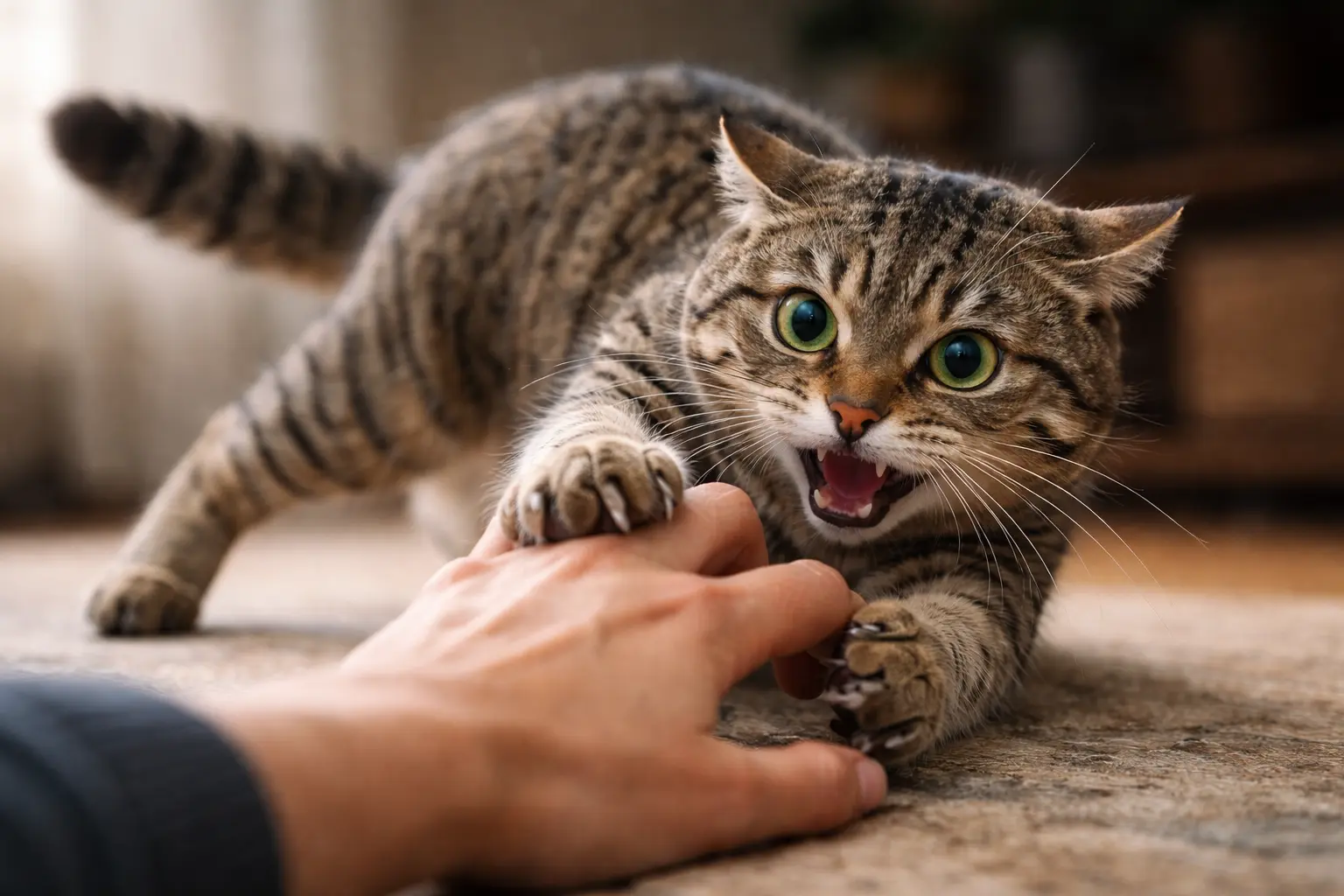
Cats can be quite dramatic, pulling out all the stops when it comes to aggression. There are three main types:
- **Defensive Aggression**: This occurs when a cat feels cornered or threatened. Think of it as a feline "back off" signal.
- **Dominance Aggression**: This is less common but still exists in the cat world. It happens when a cat feels the need to assert its authority over someone (yes, even you!).
- **Play Aggression**: Surprise! Your kitty's mischievous antics might be a form of aggression during playtime. Kittens are especially prone to this, as they hone their hunting skills by pouncing on anything that moves, including your poor unsuspecting fingers.
Underlying Medical Issues
Before blaming your cat’s aggression on a bad attitude, consider that underlying medical issues could be at play. Pain, illness, or discomfort can easily turn a sweet kitty into a feisty furball. Conditions like hyperthyroidism or dental problems may lead to increased irritability. If you notice sudden changes in your cat’s behavior, a trip to the vet is a must. After all, no one wants a grumpy cat — or a grumpy owner!
Identifying Signs of Aggression in Cats
Body Language Indicators

Cats are fluent in the language of body movement, and it’s critical to pay attention to the signals they're sending. Signs of aggression include a puffed-up tail, flattened ears, and dilated pupils. If your normally relaxed feline suddenly turns into a little cactus, it's time to take a step back and reassess the situation.
Vocalizations and Their Meanings
A cat’s vocalizations can be a real treasure trove of information. Growls, hisses, or yowls usually indicate that your cat is feeling defensive or threatened. Conversely, if your cat is making sweet little trills or meows, they’re probably in a more pleasant mood. Tune into these sounds, and you'll start to decipher your furry friend’s emotional state.
Behavioral Changes to Watch For
Keep an eye out for any sudden shifts in your cat’s behavior. Changes such as increased aggression, hiding, or avoidance can signal trouble in paradise. If your affectionate cuddle buddy suddenly acts like a tiny tiger, it’s a sign that something might be up. Trust your instincts — if it feels off, it probably is!
Common Triggers of Aggression Toward Humans
Environmental Factors

Cats are creatures of habit and can be sensitive to changes in their environment. New furniture, visitors, or loud noises can send them into a tailspin. A chaotic household might elevate their stress and lead to aggression. Creating a calm, controlled space can help your feline feel secure and less likely to lash out.
Stress and Anxiety Contributors
Just like humans, kitties can suffer from stress and anxiety. Changes in routine, like moving or the addition of a new family member, can trigger aggressive behavior. If your cat seems more aggressive during stressful times, it’s time to step in and help them decompress. A little extra love and attention can go a long way!
Interactions with Other Pets
Got multiple pets? Then you know the dance of territory and hierarchy that happens when they interact. Aggression can arise when cats feel their territory is threatened or if their social dynamics shift. Keeping an eye on how your cat interacts with other furry family members can help you catch any brewing drama before it escalates.
Strategies for Preventing Aggressive Behavior
Creating a Safe and Stimulating Environment
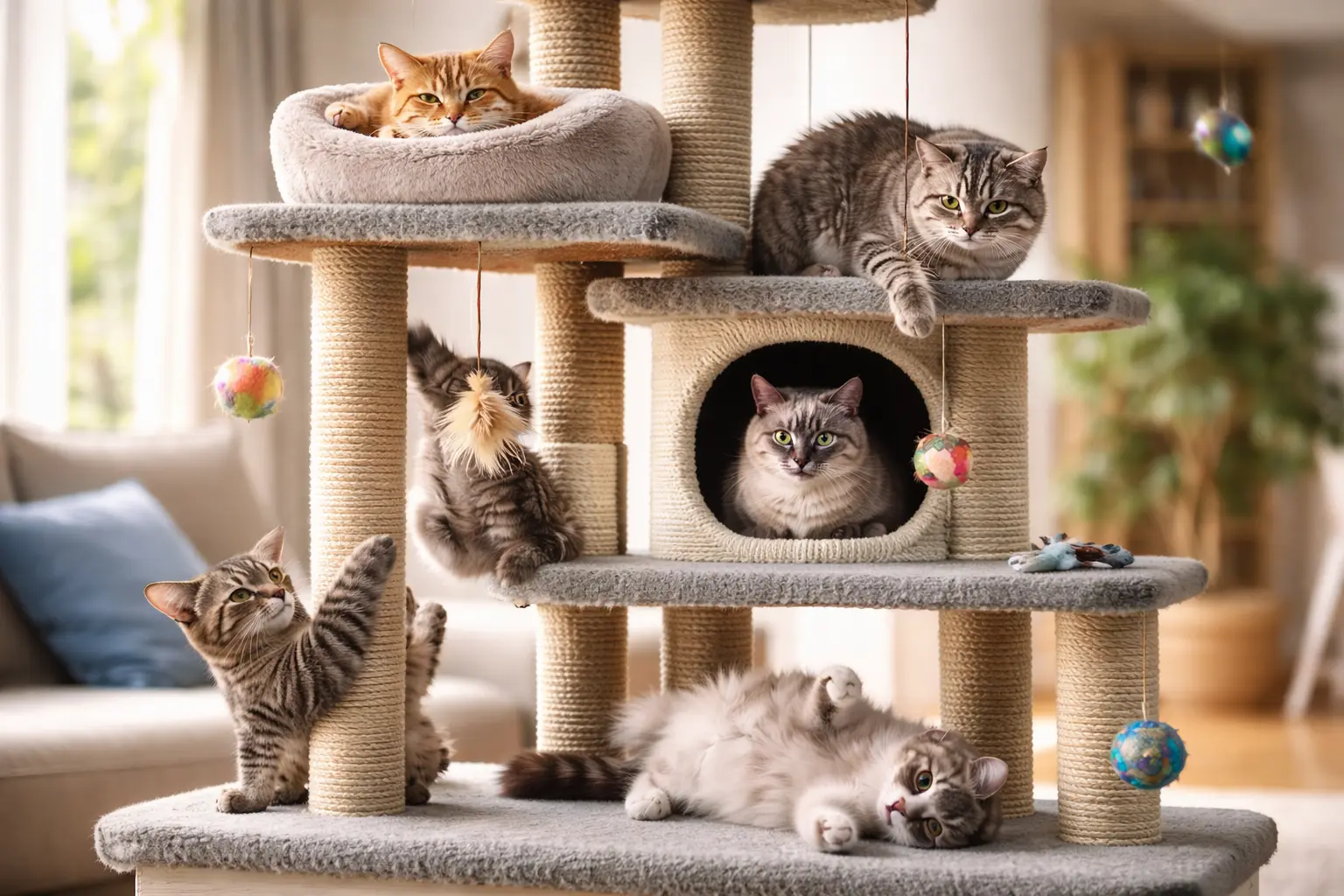
Crafting a happy home for your cat is crucial! Providing plenty of vertical spaces, scratching posts, and interactive toys can keep your feline friend entertained and reduce stress. A well-stimulated cat is generally a happier cat, less likely to express aggression.
Importance of Routine and Predictability
Cats thrive on routine — it gives them a sense of control in an unpredictable world. Feed them at the same time, engage in regular play sessions, and keep their litter box in the same spot. A predictable environment can help reduce anxiety and, in turn, aggressive behaviors.
Positive Reinforcement Techniques
When your cat acts in a friendly manner, reward them with treats, praise, or playtime. Positive reinforcement can encourage good behavior and create a more trusting bond between you and your furry companion. Instead of reacting to aggression with punishment, aim to guide them toward more positive interactions. After all, who doesn’t love treats and praise?
Techniques for Managing Aggression in Cats
Redirecting Aggressive Behavior
Redirecting your cat’s aggression is like trying to steer a runaway train onto a less destructive track. When you notice the tell-tale signs of agitation (think hissing, puffed-up fur, or the dreaded "stalking" stance), distract them with a toy, a feather wand, or even a laser pointer. This technique not only diverts their focus but also gives them a chance to release pent-up energy in a more playful way. Just remember: toys are for fun, not your hands!
Implementing Time-Outs
Time-outs aren’t just for unruly toddlers; cats can benefit from them too! If your feline friend is on a biting spree, gently place them in a quiet space away from the commotion. This isn’t punishment; it’s a little “me-time” for your cat to cool off and regroup. Keep it brief—felines don’t have the longest attention spans. A few minutes should do the trick; just don’t forget to let them out once they’ve calmed down.
Using Calming Aids
Sometimes your cat may need a little extra help to chill out. Enter calming aids! Options include pheromone diffusers, calming collars, or even herbal remedies that can take the edge off. Just like we might sip chamomile tea when stressed, cats can benefit from these soothing interventions. Always check with your vet before introducing anything new to your cat's routine; they might have some reassuring advice or suggestions tailored just for your furry companion.
When to Seek Professional Help

Recognizing Severe Aggression
Not all cat aggression is created equal. If your feline friend’s behavior escalates to full-on feline fury, it might be time to call in the experts. Look for signs such as consistent and severe biting, attacking without provocation, or prolonged periods of aggression. If you feel like your cat could take down a small army, it’s crucial to recognize that they may need professional intervention to address underlying issues.
Types of Professionals to Consult
When your cat's aggression levels are off the charts, consider reaching out to a few different types of professionals. A veterinarian can rule out any medical causes that could be contributing to your cat’s behavior. A certified animal behaviorist can help create a tailored training plan. And don't forget the good ol' cat whisperers (aka certified trainers) who specialize in working with aggressive kitties. These professionals can provide invaluable insights and strategies to turn your cat’s behavior around.
What to Expect from Professional Intervention
Preparing for a professional intervention can feel a bit like gearing up for a cat-analyzing reality show. Expect an in-depth assessment of your cat’s behavior, lifestyle, and environment. The expert will likely ask you a plethora of questions, from your cat's daily routine to their interactions with humans and other pets. Don’t be alarmed if they suggest a multi-faceted approach, combining behavior modification with environmental changes. Just like crafting the perfect catnip toy, it may take some time to find the right solution.
The Role of Environment and Socialization
Integrating New Pets Safely
Bringing a new pet into your home is like hosting an uninvited guest who thinks they own the place—chaos can ensue! To ensure a smooth introduction, keep the new pet in a separate space for a while. Allow your resident cat to sniff around and get used to the newcomer’s scent before the big reveal. Gradually supervise their interactions, offering treats and praise when they behave like the friendly neighborhood cats you want them to be.
Gradual Socialization Techniques
Rome wasn’t built in a day, and neither are cat friendships. Gradual socialization is essential for helping your cat warm up to new companions—be they furry or human. Start with short, supervised sessions and gradually increase the time they spend together. Use positive reinforcement, like treats and pets, to reward calm behavior. Before you know it, your fur babies could be sharing catnip and cuddles instead of swipes and growls.
Enhancing the Living Environment
Consider your cat's living environment a blank canvas! Enhancing it can go a long way in reducing aggression. Create vertical spaces with shelves or cat trees for climbing, add cozy hiding spots for security, and provide engaging toys to keep boredom at bay. A well-stimulated cat is a happier cat, and a happy cat is less likely to take out their frustrations on you—or the couch.
Long-Term Solutions for a Harmonious Relationship
Building Trust Through Consistency
To foster a peaceful coexistence with your cat, consistency is key. Establish routines for feeding, playtime, and training, ensuring your cat knows what to expect. This will help build trust and security, making your feline friend less likely to resort to aggressive behavior. Just think of it as the equivalent of a solid relationship where both parties know who does the dishes!
Continuous Training and Engagement
Training doesn’t end with puppy school; cats need ongoing engagement too! Regularly incorporate playtime and training sessions to channel their energy positively. Teaching tricks or using clicker training can provide mental stimulation and strengthen your bond. Plus, who doesn’t want to impress their friends with a cat that can fetch and sit on command?
Monitoring Progress and Adjusting Strategies
Finally, keep an eye on your cat’s behavior and be willing to adjust your strategies as needed. If something isn’t working, don’t hesitate to switch tactics or seek additional advice. The path to a harmonious relationship is rarely a straight line, so be patient, flexible, and remember to celebrate the small victories. Your future as a peaceful cat owner awaits!In conclusion, managing aggression in cats requires patience, understanding, and a proactive approach. By recognizing the signs of aggression, identifying triggers, and implementing effective strategies, you can create a peaceful environment for both you and your feline friend. Remember that each cat is unique, and addressing their specific needs will be key to fostering a loving and trusting relationship. If challenges persist, seeking professional guidance can provide valuable insights and solutions. With dedication and care, you can work towards a happier, more harmonious coexistence.
FAQ
What should I do if my cat suddenly becomes aggressive?
It’s important to remain calm and avoid confrontation. Assess the situation to identify potential triggers and give your cat space to cool down. Redirect their attention with toys or provide a safe retreat. If aggression persists, consult a veterinarian or animal behaviorist.
Can aggression in cats be treated with medication?
In some cases, medication may be recommended to help manage aggression, particularly if it stems from anxiety or underlying medical issues. It’s crucial to work with a veterinarian to determine the appropriate treatment plan tailored to your cat’s needs.
How can I prevent my cat from becoming aggressive with new people or pets?
Introducing new individuals or pets gradually and in controlled environments can help minimize stress and aggression. Use positive reinforcement to reward calm behavior and ensure your cat has safe spaces to retreat to if they feel threatened.
Is play aggression in cats a normal behavior?
Yes, play aggression is common, especially in young cats. They may exhibit hunting behaviors during play, which can sometimes lead to biting or scratching. Providing interactive toys and engaging in regular play sessions can help channel this energy appropriately.