Boredom in cats is often an overlooked aspect of feline care, yet it can significantly impact their overall well-being. Many cat owners may not realize that a lack of activity can lead to behavioral issues, health problems, and even emotional distress. Understanding the signs of boredom and how to effectively engage your feline friend is essential for maintaining a happy, healthy lifestyle. In this article, we will explore the causes and consequences of boredom in cats, along with practical tips for providing stimulation and enrichment to ensure your cat thrives in their environment.
Understanding Boredom in Cats
Defining Boredom in Feline Behavior
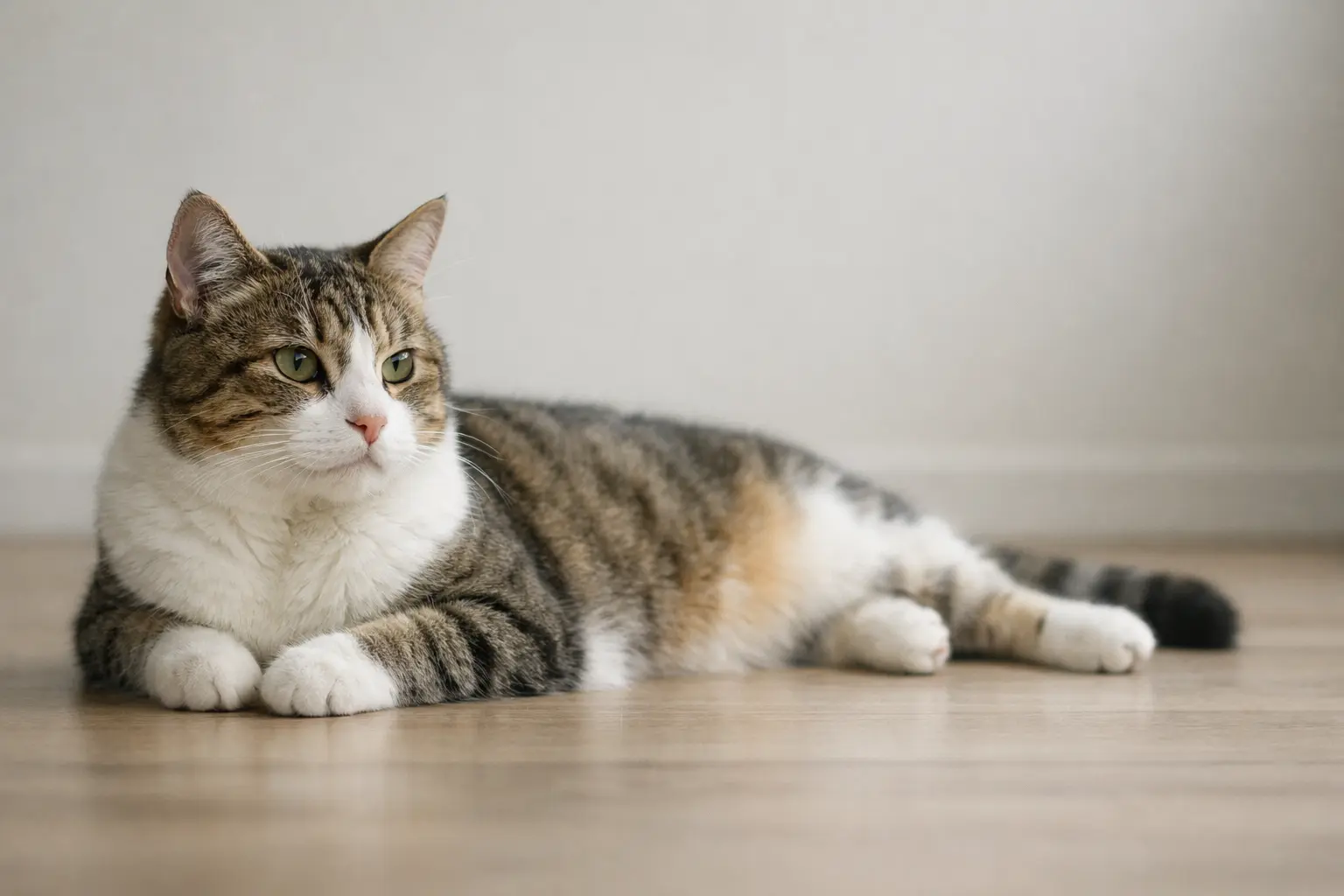
Boredom in cats is much like when you’re stuck in a waiting room without a good book or Wi-Fi. It’s that feeling of having nothing to do, and the result can lead to some pretty grumpy behavior. When a cat is bored, they exhibit a marked lack of interest in their environment, playtime, or even their favorite sunny spot. It’s important to recognize that boredom isn’t just a minor inconvenience; it can significantly affect a cat’s overall well-being.
Factors Contributing to Boredom
Several culprits can contribute to a cat’s boredom. Lack of stimulation from their surroundings, insufficient playtime, and even limited interactions with humans or other pets can all lead to a feline funk. Just like us, cats thrive on variety and novelty. A monotonous environment—think the same four walls—can turn any curious kitty into a couch potato before you can say "Catnip."
Signs Your Cat is Bored
Behavioral Indicators of Boredom
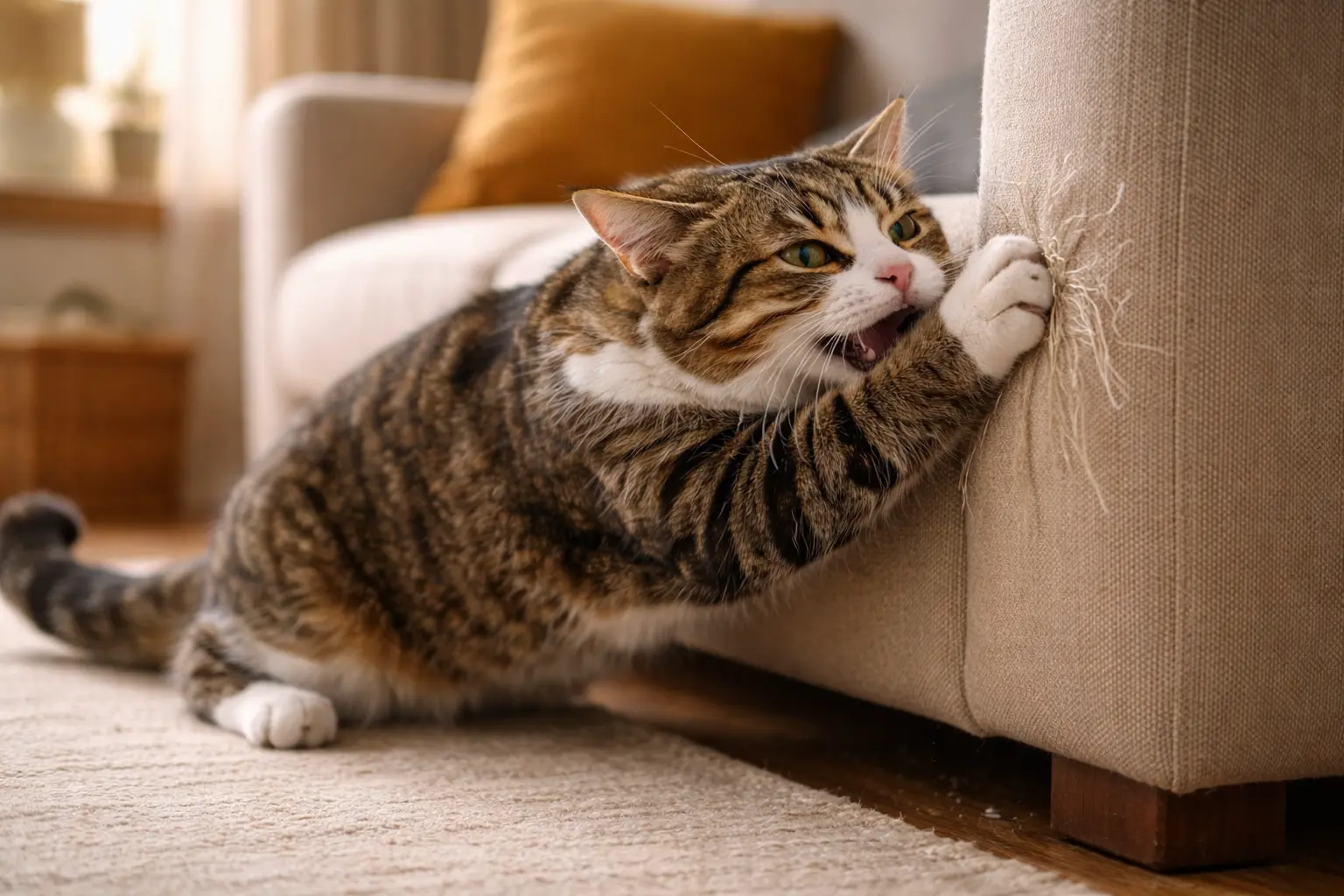
If your cat is acting like they’re auditioning for a role in a drama about discontent, you might be looking at a bored kitty. Look for signs such as excessive meowing, increased scratching (your furniture is not a scratching post, buddy), or even uncharacteristic aggression. Some cats may also resort to "creative" behaviors like knocking over your favorite vase just to mix things up.
Physical Symptoms of Lack of Activity
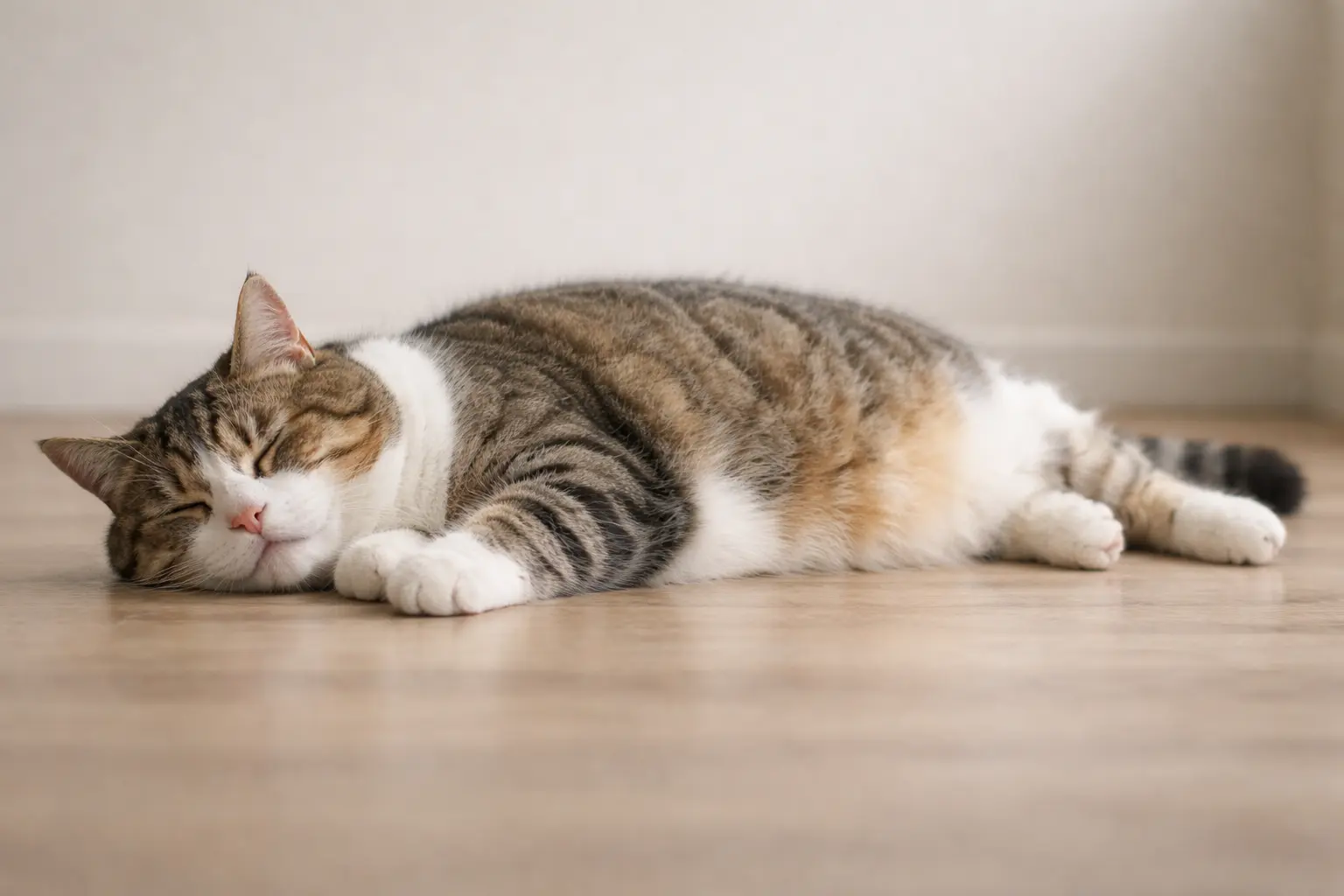
Boredom can manifest physically, too. If your cat becomes a permanent fixture on the couch, you might notice weight gain or lethargy. A bored cat may also groom excessively, leading to bald spots or skin irritations. Remember, a lack of activity can be just as unhealthy for our feline friends as it is for us—two words: Netflix and snacks!
The Impact of Lack of Activity on Cat Health
Physical Health Risks
When cats don’t get enough activity, they’re at risk for obesity, diabetes, and even heart disease. Picture a cat sitting in their litter box, dreaming of the days when they could scale the highest of cat trees. Without regular play and movement, their muscles weaken, and their joints can become stiff—making even the act of pouncing on a feather toy a Herculean task.
Mental and Emotional Consequences
The mental effects can be just as serious. A bored cat may experience anxiety, depression, and other emotional issues. They could start engaging in compulsive behaviors, like over-grooming or excessive vocalization, just to express their dissatisfaction with life. In other words, when your cat isn’t thriving mentally and emotionally, it can lead to a whole slew of problems—like refusing to cuddle and plotting to steal your sandwich.
Engaging Your Cat: Playtime and Stimulation
Types of Play: Solo vs. Interactive
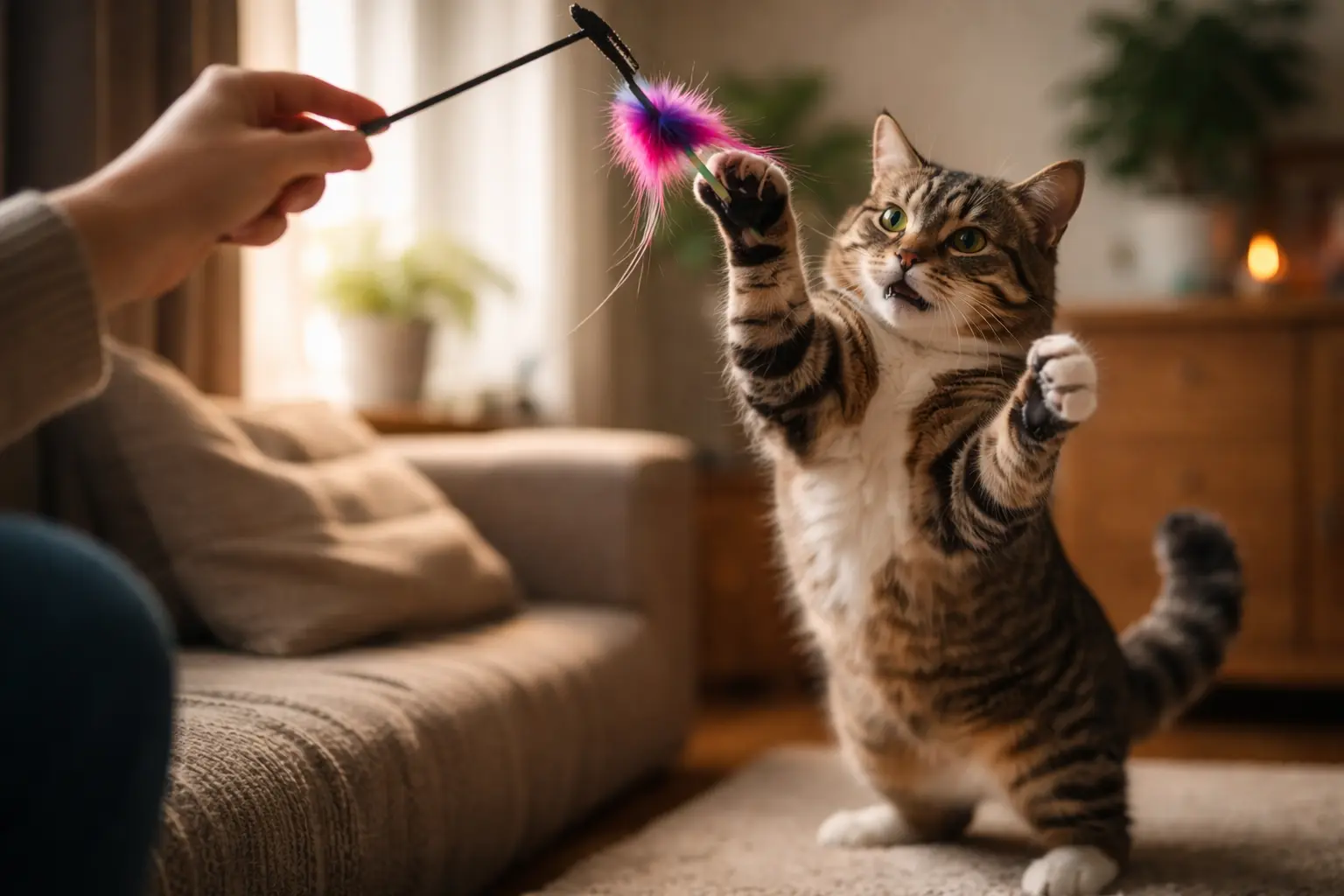
To ensure your cat stays engaged, mix things up with both solo and interactive play. Solo play includes toys they can bat around on their own, like jingly balls or feather wands strategically left within paw's reach. On the other hand, interactive play involves you—think laser pointers, fishing pole toys, or even a brisk game of hide and seek (just don’t hide for too long; cats have a short attention span!).
Best Toys and Games for Cats
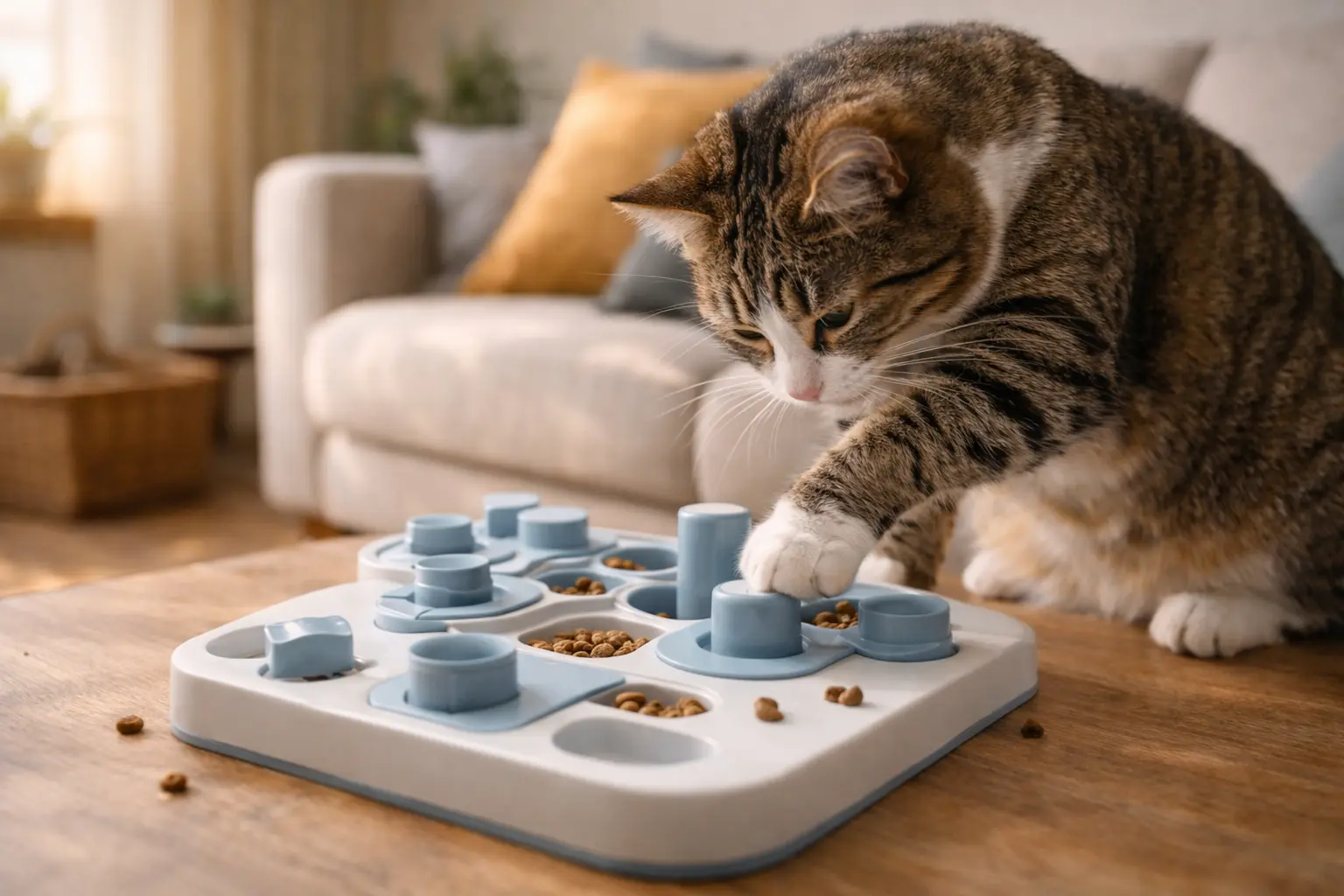
The right toys can turn the dullest day into an exciting adventure. Opt for toys that mimic prey, like feather toys or small balls that roll unpredictably. Puzzle feeders can also keep their brain buzzing while promoting healthy eating habits. And don’t underestimate the power of a good old cardboard box—sometimes, the simplest things bring out the most playful side in our feline companions. After all, who needs expensive cat trees when you can transform a box into a fortress of solitude?
Creating an Enriching Environment for Your Cat

Indoor vs. Outdoor Enrichment
Indoor cats have a unique set of challenges when it comes to entertainment. While they may not have the thrill of chasing after a squirrel, they can still enjoy a rich tapestry of experiences inside. Consider creating climbing spaces with shelves or cat trees, and introduce interactive toys that stimulate their hunting instincts. For those brave enough to venture outside (safely harnessed, of course!), supervised outdoor time can offer a smorgasbord of scents, sounds, and sights. Just remember: an outdoor cat is like a high-stakes game of hide-and-seek, and not all cats are cut out for that!
Utilizing Cat Furniture and Accessories
Think of cat furniture as the feline version of a theme park—minus the long lines and overpriced snacks. Kitty condos, scratching posts, and window perches not only add flair to your home but also encourage natural behaviors. Scratching is a must, so ensure there are several enticing options around. Add cozy nooks where your cat can survey their kingdom, and don’t overlook the power of toys! A good mix of interactive and self-play items will keep your cat mentally agile and blissfully entertained.
The Importance of Interaction: Socialization and Play
Building a Bond with Your Cat
Building a relationship with your cat can be as easy as providing plenty of quality time—shiny things and treats help too! Engage in regular play sessions using feather wands or laser pointers; after all, nothing fosters camaraderie better than a joint hunt for that elusive red dot. Whether it’s curling up together on the couch or engaging in a wild game of tag (spoiler: you might just be “it”), these moments of connection can strengthen your bond and reduce feelings of boredom.
Encouraging Playtime with Other Pets
If you have multiple pets, fostering interactions can be like hosting a furry family reunion—with less drama and more tail chasing! Introducing games that involve all your pets can elevate their socialization skills and curb boredom. Just ensure that personalities mesh well; not every cat will appreciate a dog’s enthusiastic approach. Keep an eye on their interactions, and be ready to step in if things get a little too “spirited”!
Common Misconceptions About Cat Behavior
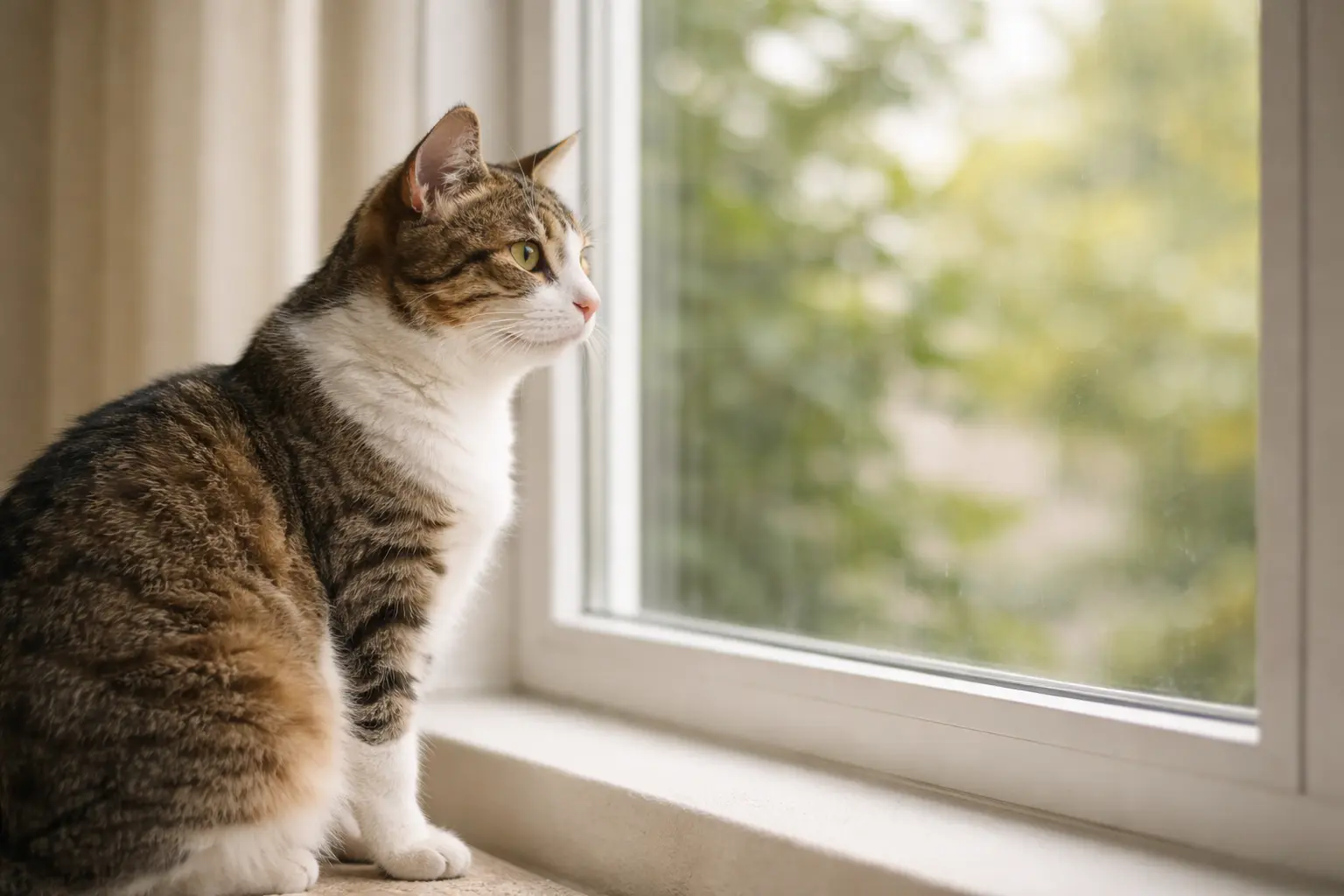
Myths vs. Reality: Understanding Feline Needs
Let’s clear the air: cats are not aloof, uncaring creatures. Sure, they spend a lot of time pretending they’re the rulers of the universe, but beneath those royal exteriors, they crave stimulation, affection, and mental engagement. Many believe that a cat’s independence means they don’t need much attention—wrong! Cats require both physical and mental enrichment to thrive, so don’t let the internet fool you into thinking they can just entertain themselves while you binge-watch puppy videos.
Recognizing Individual Personality Traits
Every cat is unique—a bit like a snowflake, if snowflakes had claws and a penchant for knocking things off tables. Take the time to understand your cat’s individual quirks and preferences. Some may adore interactive games, while others prefer to channel their inner Buddha and sunbathe. Acknowledging these traits not only helps you tailor their enrichment activities but also strengthens your understanding and bond with your feline friend.
When to Seek Professional Help for Your Cat's Boredom
Signs That Indicate Serious Issues
While a bit of boredom is normal for our furry friends (just like that Netflix documentary you regret starting), there are signs that indicate it’s time to call in the pros. If your cat is excessively scratching, hiding away, or displaying unusual aggression, these could be symptoms of anxiety or stress, not just a case of the “yawns.” Changes in eating habits or litter box behavior can also signal deeper issues that need investigation—especially if your cat starts turning into a picky eater faster than you can say “feline food critic.”
Consulting with a Veterinarian or Behaviorist
When in doubt, don’t hesitate to reach out to a veterinarian or animal behaviorist. They’re like the superheroes of pet care, equipped with the knowledge to help your cat bounce back from boredom blues. A professional can offer insights into behavioral modifications, health check-ups, and specialized advice tailored to your pet’s needs. Remember, it’s always better to be pro-active than to let boredom spiral into a larger issue—because no one wants a feline diva throwing a tantrum!In conclusion, addressing boredom and promoting activity in cats is crucial for their health and happiness. By understanding the signs of boredom, providing engaging play opportunities, and creating an enriching environment, cat owners can help their pets lead fulfilling lives. Remember, a stimulated cat is a happy cat, and investing time and effort into their well-being will strengthen the bond you share and enhance their overall quality of life.
A product that may help you solve the problem
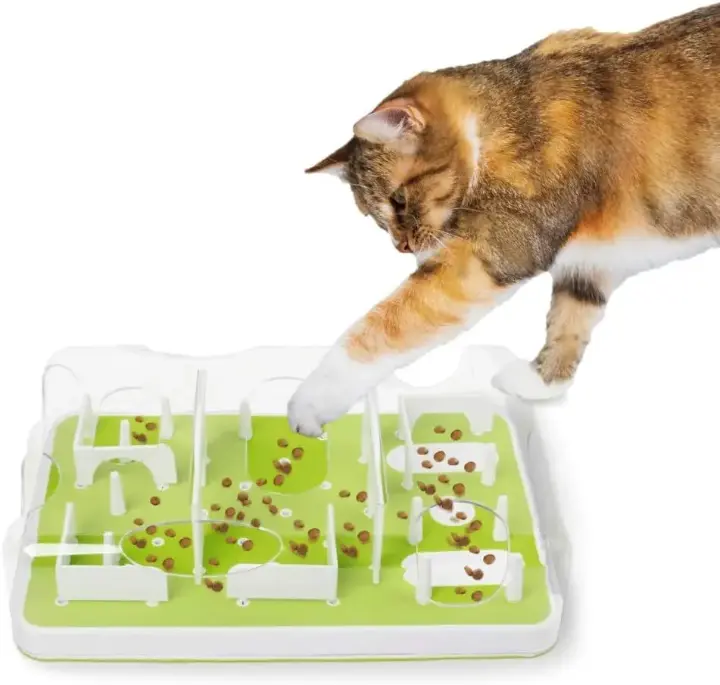
ALL FOR PAWS Interactive Cat Puzzle Feeder & Slow Feed Toy
FAQ
How can I tell if my cat is bored?
Many signs indicate boredom in cats, including excessive sleeping, destructive behavior, lack of interest in toys, and increased vocalization. Observing these behaviors can help you identify when your cat needs more stimulation.
What activities can help reduce my cat's boredom?
Engaging your cat with interactive toys, puzzle feeders, and regular play sessions can significantly reduce boredom. Additionally, introducing new activities, like agility training or teaching tricks, can keep your cat mentally stimulated.
Is it normal for cats to sleep a lot?
Yes, cats are known for sleeping a significant portion of the day, but if your cat is sleeping excessively and showing signs of boredom or disinterest in play, it may be time to assess their environment and activities.
When should I consider consulting a veterinarian about my cat's behavior?
If your cat displays severe behavioral changes, such as aggression, withdrawal, or significant weight loss, it may indicate underlying health issues. Consulting a veterinarian is advisable to rule out medical problems and receive guidance on addressing boredom.