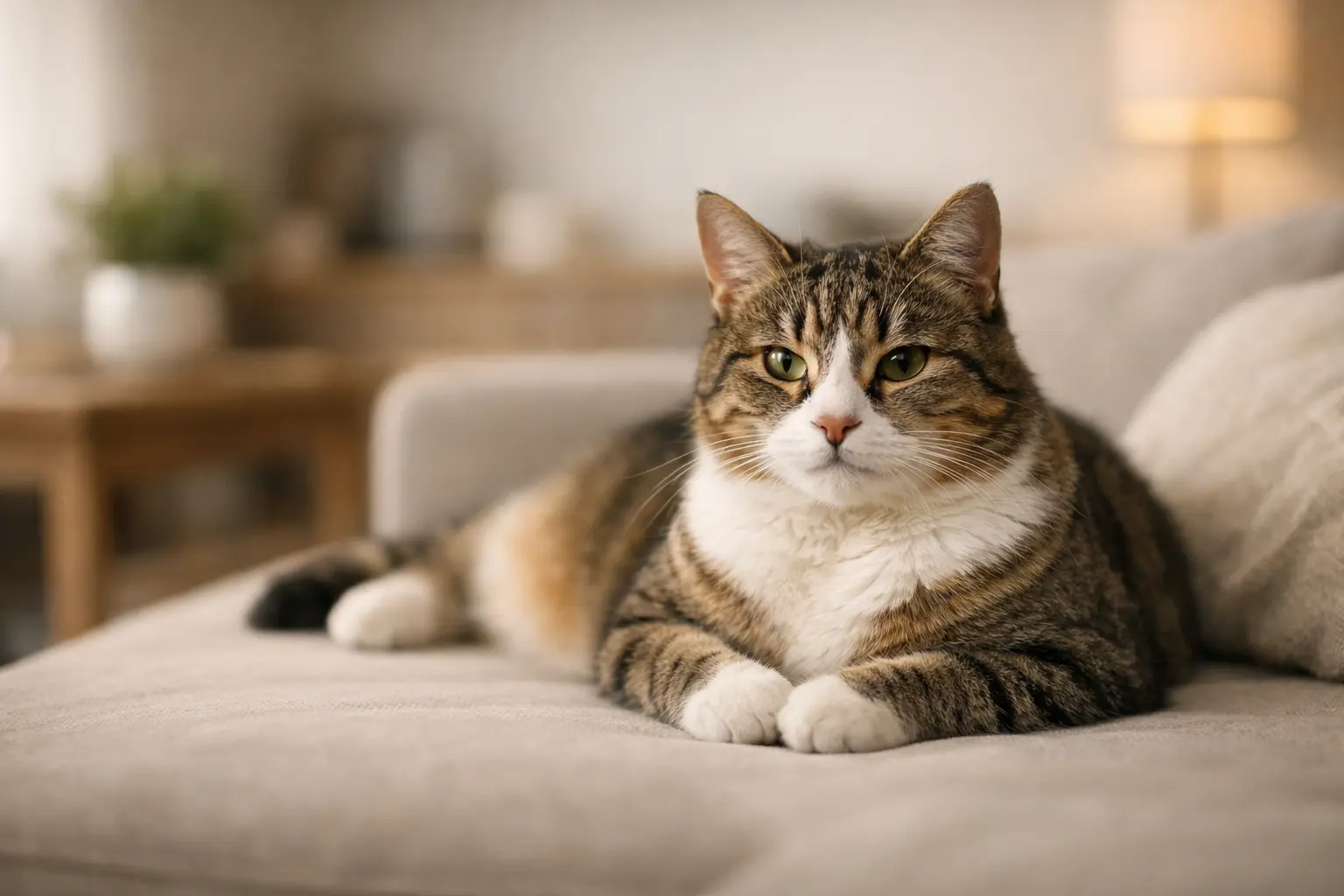
Cat constipation is a common but often underestimated health issue that can cause discomfort and lead to serious complications if left untreated. As a responsible cat owner, recognizing the early signs of constipation and understanding its causes can help protect your cat’s health and overall well-being. This article explains the symptoms of feline constipation, the most common causes, safe home remedies, and practical prevention tips to keep your cat comfortable and healthy.
Understanding Cat Constipation
What Is Cat Constipation?
Cat constipation occurs when a cat has difficulty passing stool or produces hard, dry feces. A constipated cat may strain in the litter box, pass stool infrequently, or appear uncomfortable. When bowel movements slow down, waste remains in the colon longer than normal, causing dehydration of the stool and making it harder to pass.
How Common Is Constipation in Cats?
Constipation is relatively common, especially in older cats, indoor cats with low activity levels, or cats with underlying medical conditions. While occasional constipation may resolve quickly, recurring or prolonged constipation should never be ignored.
Common Symptoms of Constipation in Cats
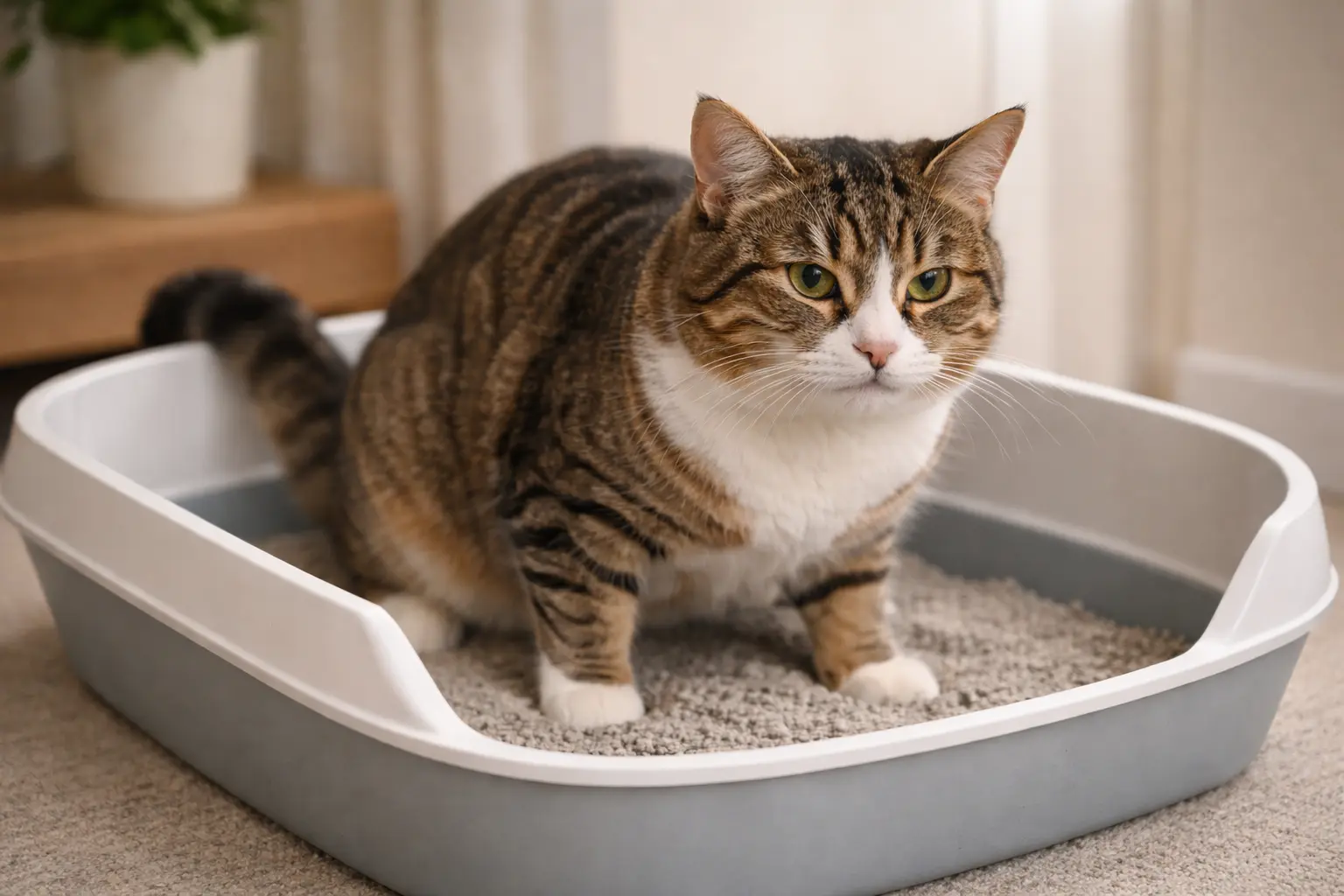
Behavioral Signs
Cats experiencing constipation may show changes in behavior, including:
Frequent or prolonged visits to the litter box
Crying or vocalizing while trying to defecate
Irritability or hiding
Reduced interest in play or interaction
Physical Signs
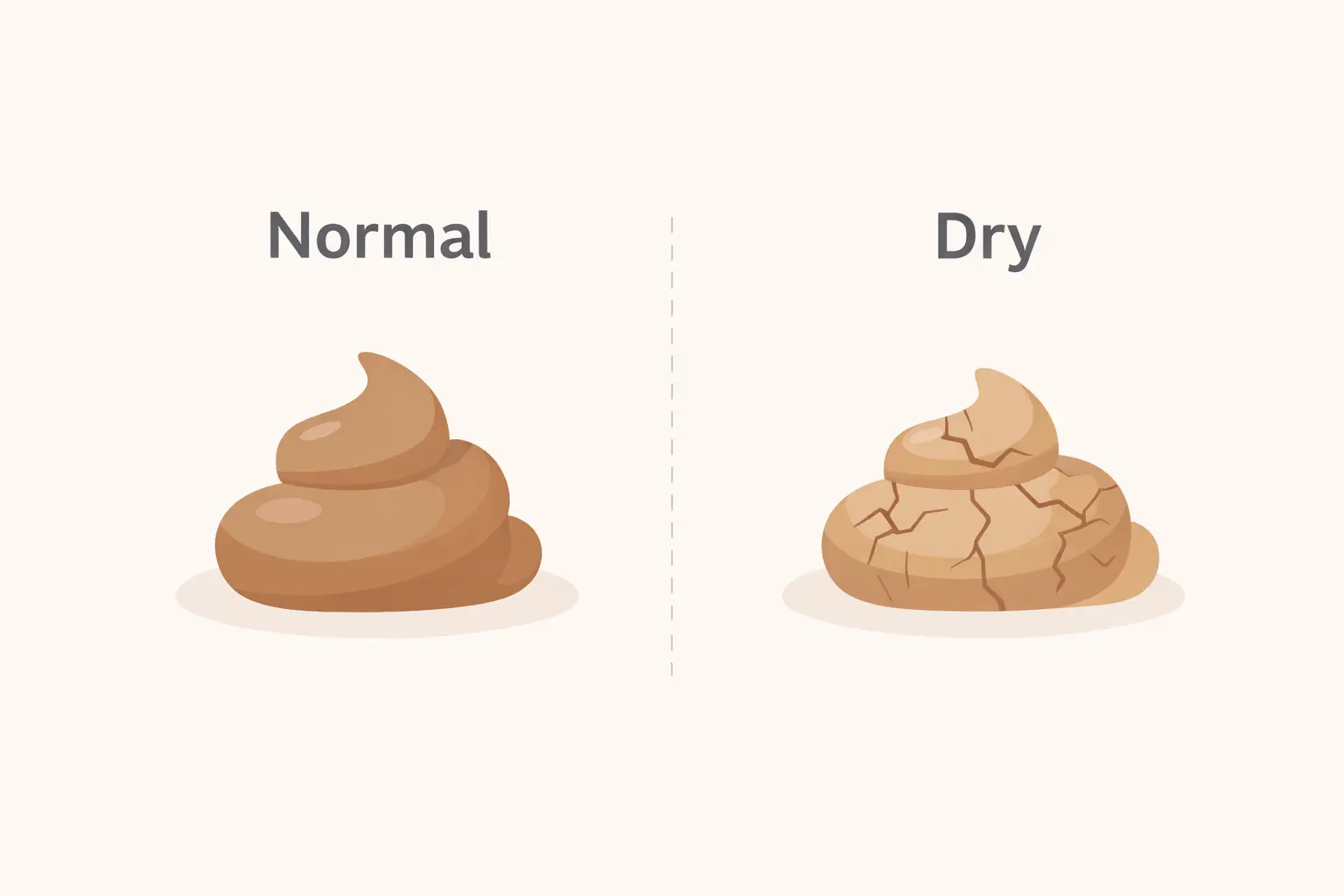
Physical indicators of constipation can include:
A firm or swollen abdomen
Reduced appetite
Excessive grooming around the rear
Lethargy or discomfort
Changes in Litter Box Habits
A noticeable decrease in stool frequency, very small stools, or accidents outside the litter box can indicate constipation. Any sudden change in litter box behavior should be taken seriously.
Causes of Constipation in Cats
Dietary Factors
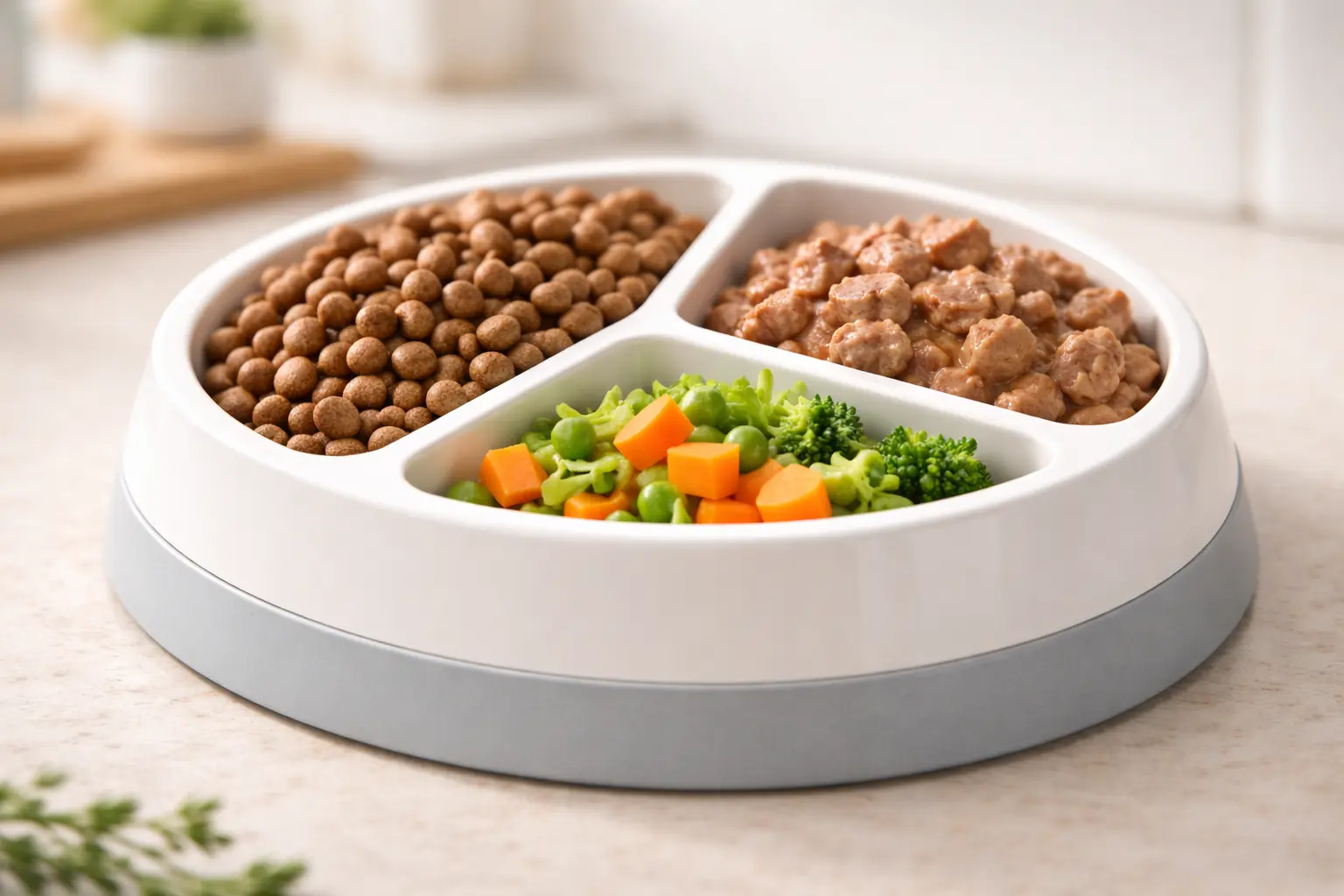
A diet low in fiber is one of the most common causes of constipation. Poor-quality food or sudden dietary changes can disrupt digestion and slow bowel movements.
Dehydration
Cats that do not drink enough water are more likely to develop constipation. Dehydration causes the colon to absorb more water from the stool, making it hard and dry. Cats fed exclusively dry food are at higher risk.
Medical Conditions
Certain health problems can contribute to constipation, including:
Megacolon
Arthritis (making it painful to posture in the litter box)
Kidney disease
Hypothyroidism
Intestinal blockages or tumors
Age and Lifestyle
Senior cats and cats with limited physical activity often experience slower digestion. Reduced movement can affect intestinal motility and increase the risk of constipation.
When to Seek Veterinary Care
Warning Signs That Require Immediate Attention
Contact your veterinarian if your cat shows:
No bowel movement for more than 48 hours
Repeated straining with no results
Vomiting or severe lethargy
Loss of appetite lasting more than a day
Risks of Untreated Constipation
Chronic constipation can lead to megacolon, a serious condition where the colon becomes enlarged and loses its ability to function properly. Early treatment is essential to prevent long-term damage.
Safe Home Remedies for Cat Constipation
⚠️ Always consult your veterinarian before starting home treatments, especially if symptoms persist.
Natural Fiber Sources
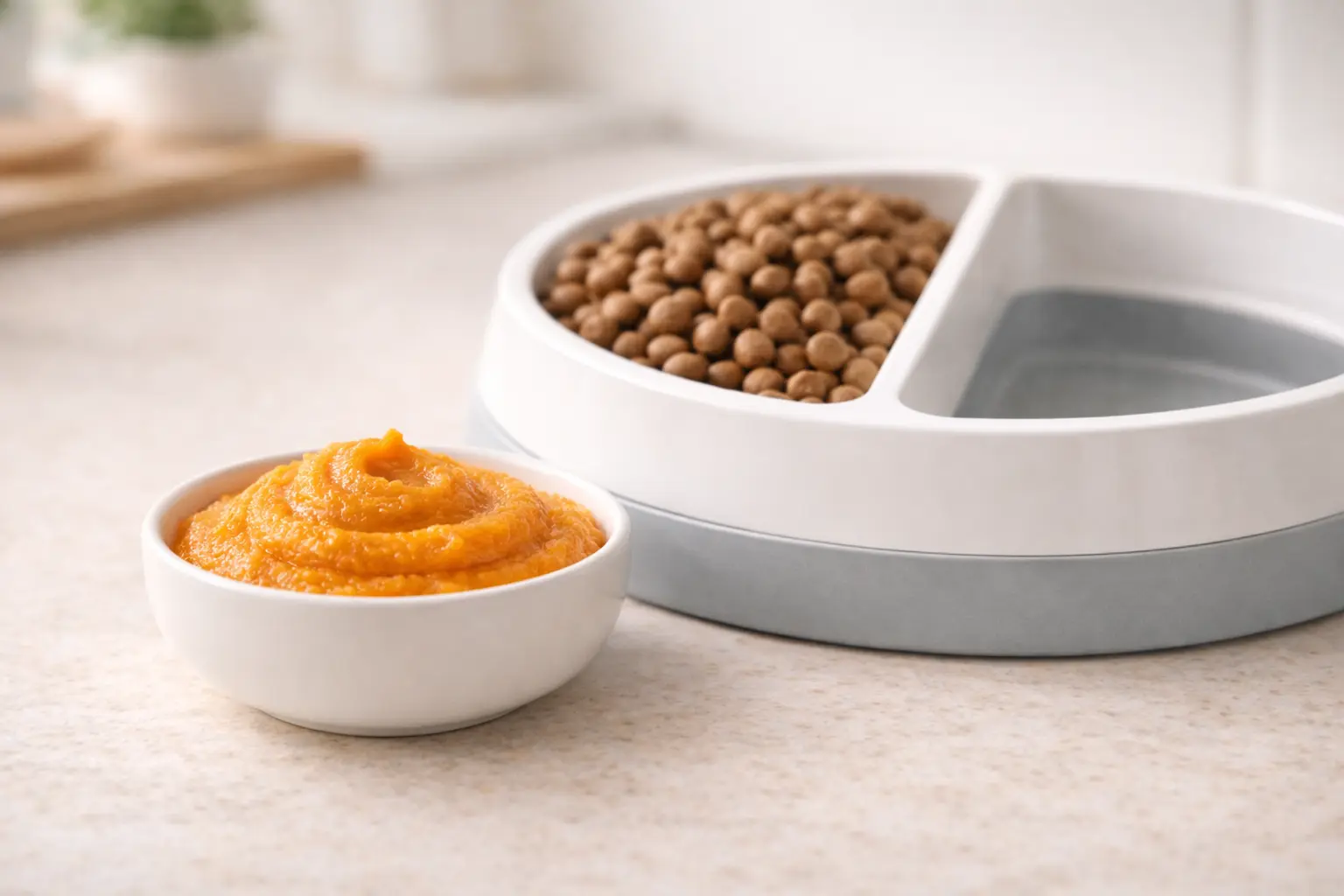
Plain canned pumpkin (not spiced) is a safe and effective option. Adding 1 teaspoon to your cat’s food can help soften stools and improve bowel movement regularity.
Fiber Supplements
Veterinarian-approved fiber supplements such as psyllium husk may help improve digestion. Dosage should always be confirmed by a professional.
Gentle Abdominal Massage
Light, gentle belly massages can stimulate intestinal movement and relieve discomfort. Only attempt this if your cat is relaxed and comfortable.
Dietary Changes to Prevent Constipation
High-Fiber Cat Food
Choose cat food formulated for digestive health and adequate fiber content. Ingredients like beet pulp or natural plant fibers can help regulate bowel movements.
Wet Food vs. Dry Food
Wet food provides additional moisture that supports digestion and hydration. Mixing wet food with dry kibble is often beneficial, especially for cats prone to constipation.
Monitor Dietary Adjustments
Introduce new foods gradually and observe your cat’s litter box habits and behavior. Sudden dietary changes can worsen digestive issues.
The Importance of Hydration
Encouraging Water Intake
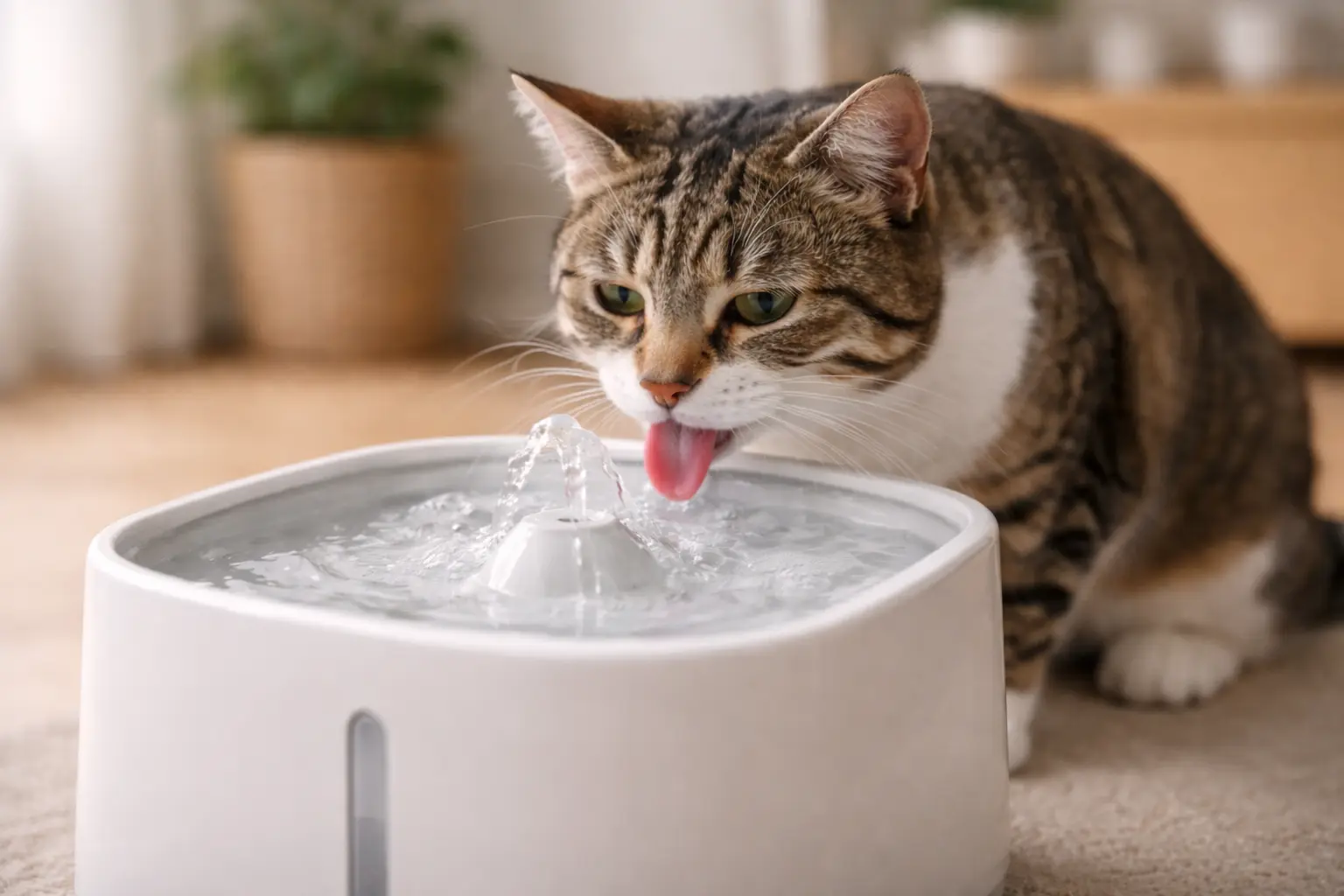
To improve hydration:
Place multiple water bowls around the home
Use a cat water fountain
Add water or broth (cat-safe) to meals
Why Hydration Matters
Proper hydration helps keep stools soft and supports healthy digestion, reducing the risk of constipation.
Maintaining Regular Bowel Movements
Establish a Routine
Feeding your cat at consistent times each day helps regulate digestion and bowel movements.
Encourage Physical Activity
Daily play sessions stimulate the digestive system and support overall health. Interactive toys and short play sessions can make a big difference.
Regular Veterinary Checkups
Routine vet visits help detect underlying health problems early and ensure your cat’s digestive system remains healthy.
Conclusion
Cat constipation is a manageable condition when identified early and treated appropriately. By recognizing the symptoms, improving diet and hydration, and maintaining an active lifestyle, you can help your cat stay comfortable and healthy. If constipation persists or worsens, veterinary care is essential. A proactive approach ensures better digestion, improved comfort, and a happier life for your feline companion.
FAQs
How do I know if my cat is constipated?
Common signs include straining in the litter box, infrequent bowel movements, hard stools, reduced appetite, and discomfort.
How long can a cat go without pooping?
If your cat hasn’t had a bowel movement for more than 48 hours, consult a veterinarian.
Can stress cause constipation in cats?
Yes. Environmental changes, stress, or anxiety can affect digestion and contribute to constipation.
Is pumpkin safe for cats?
Yes, plain canned pumpkin in small amounts is safe and often recommended for digestive health.