Cat Separation Anxiety: Causes, Signs, and Effective Solutions
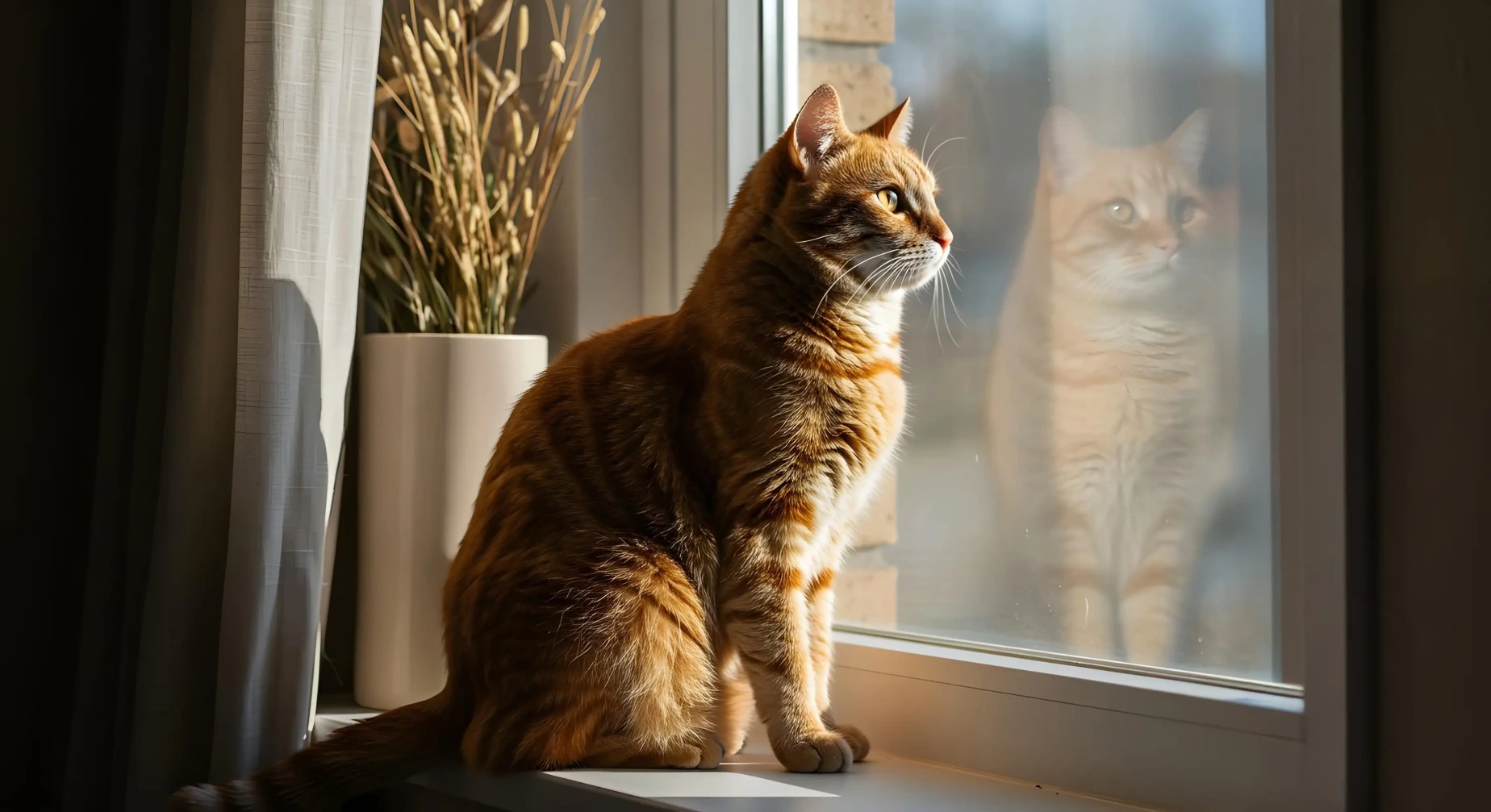
Cat separation anxiety is a common behavioral issue that causes stress, excessive vocalization, and destructive behavior when cats are left alone. Many cat owners misunderstand this condition, assuming cats are always independent, but sudden changes in routine or environment can deeply affect them. Understanding the causes, recognizing the symptoms, and applying proven solutions can help your cat feel calm, secure, and emotionally balanced.
In this guide, you’ll learn:
What separation anxiety in cats really is
The most common causes and warning signs
Practical, vet-approved solutions
When professional help is necessary
Understanding Separation Anxiety in Cats
What Is Separation Anxiety?
Separation anxiety in cats occurs when a cat experiences intense stress after being separated from their owner or primary caregiver. Unlike mild boredom, this anxiety can lead to persistent behavioral and physical problems that affect your cat’s overall well-being.
Normal Behavior vs. Anxiety
It’s normal for cats to notice when you leave. However, separation anxiety goes beyond occasional meowing or mild annoyance. If your cat shows destructive behavior, excessive vocalization, or litter box issues when alone, anxiety may be the cause.
Common Causes of Separation Anxiety in Cats
Changes in Household Routine
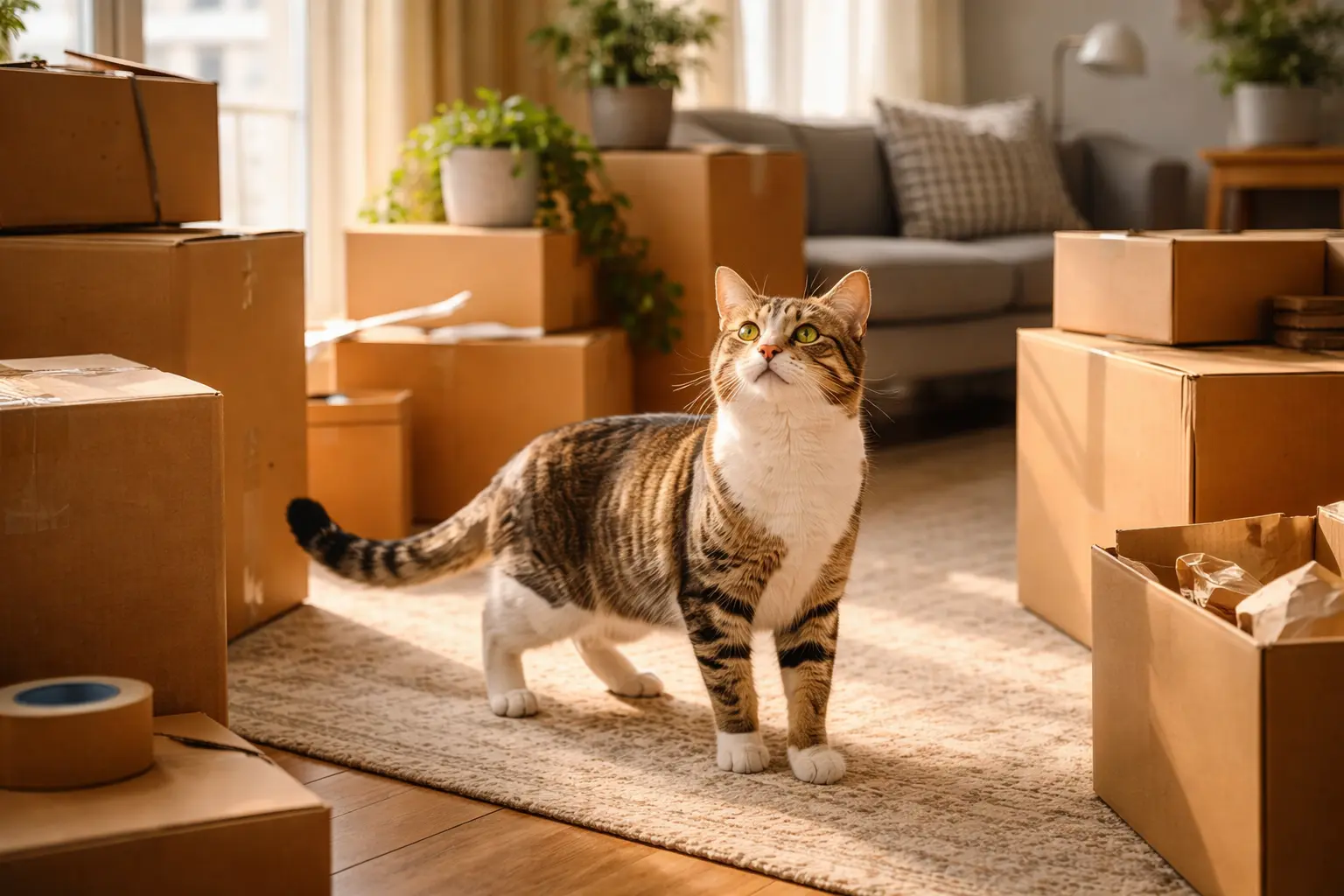
Cats thrive on routine. Moving to a new home, rearranging furniture, or changes in work schedules can make cats feel insecure and trigger anxiety.
Traumatic Experiences or Past Neglect
Cats with a history of abandonment, frequent rehoming, or neglect are more likely to develop separation anxiety due to fear of being left again.
Lack of Social Interaction
Cats that lack regular playtime, mental stimulation, or bonding may become overly dependent on their owners, increasing anxiety during absences.
Health Issues or Physical Pain
Medical conditions or chronic pain can increase clinginess and anxiety. Sudden behavioral changes should always be evaluated by a veterinarian.
Signs and Symptoms of Separation Anxiety
Behavioral Symptoms
Excessive meowing or yowling
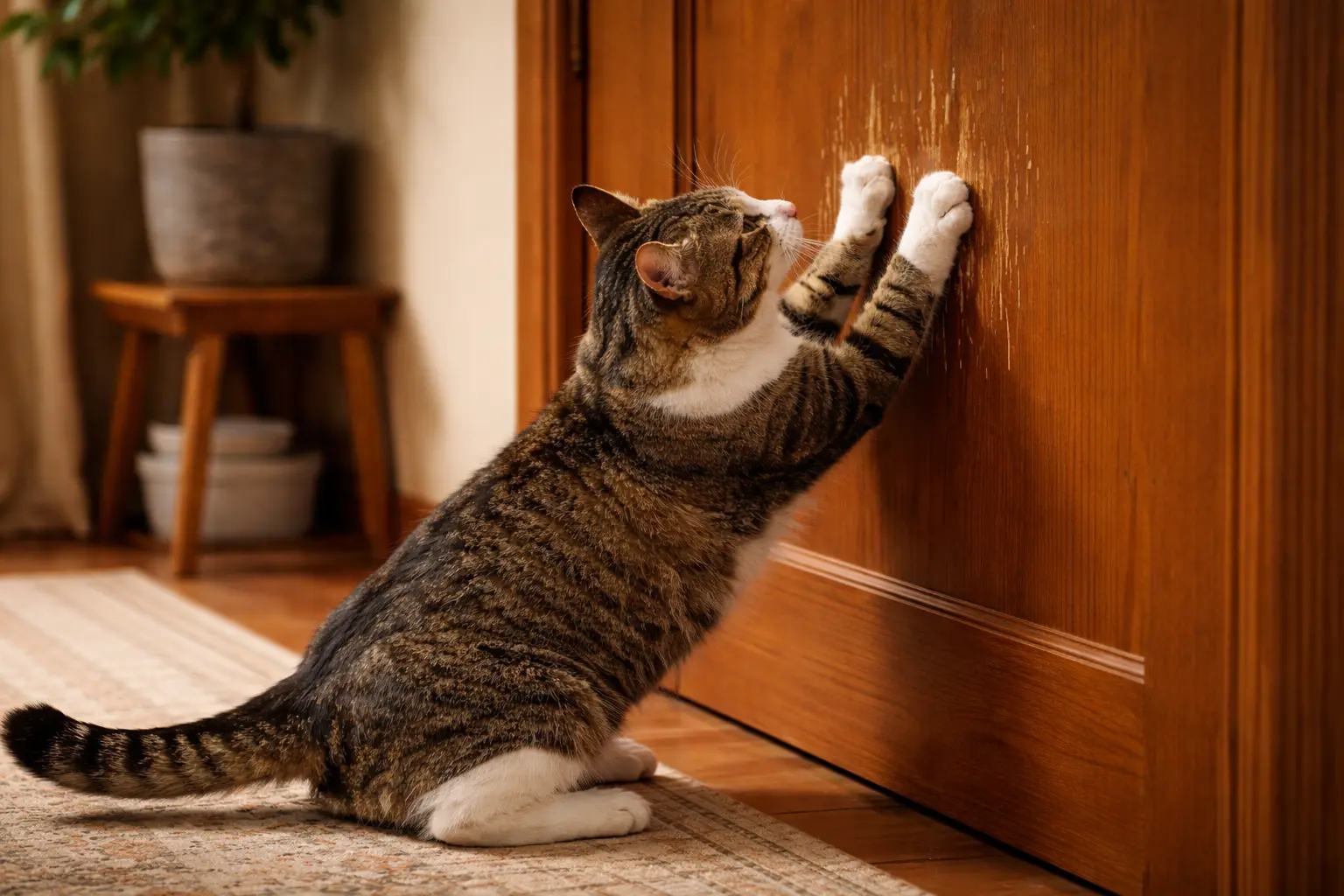
Destructive scratching or chewing
Urinating or defecating outside the litter box
Overgrooming or pacing
Physical Symptoms
Loss of appetite
Weight changes
Lethargy or withdrawal
Vocalization Patterns
Persistent crying or loud vocalization shortly after the owner leaves is one of the most common signs of separation anxiety.
How Lifestyle Changes Affect Your Cat
Moving to a New Home
New environments introduce unfamiliar smells and sounds, which can increase stress and insecurity.
Introducing New Pets or Family Members
Cats may feel threatened or ignored when new animals or people enter their space, leading to anxiety-related behaviors.
Changes in Your Schedule
Longer working hours or irregular routines can disrupt your cat’s sense of security.
Effective Solutions for Managing Separation Anxiety
Gradual Desensitization
Start with short absences and gradually increase the time you’re away. Reward calm behavior when you return.
Positive Behavioral Training
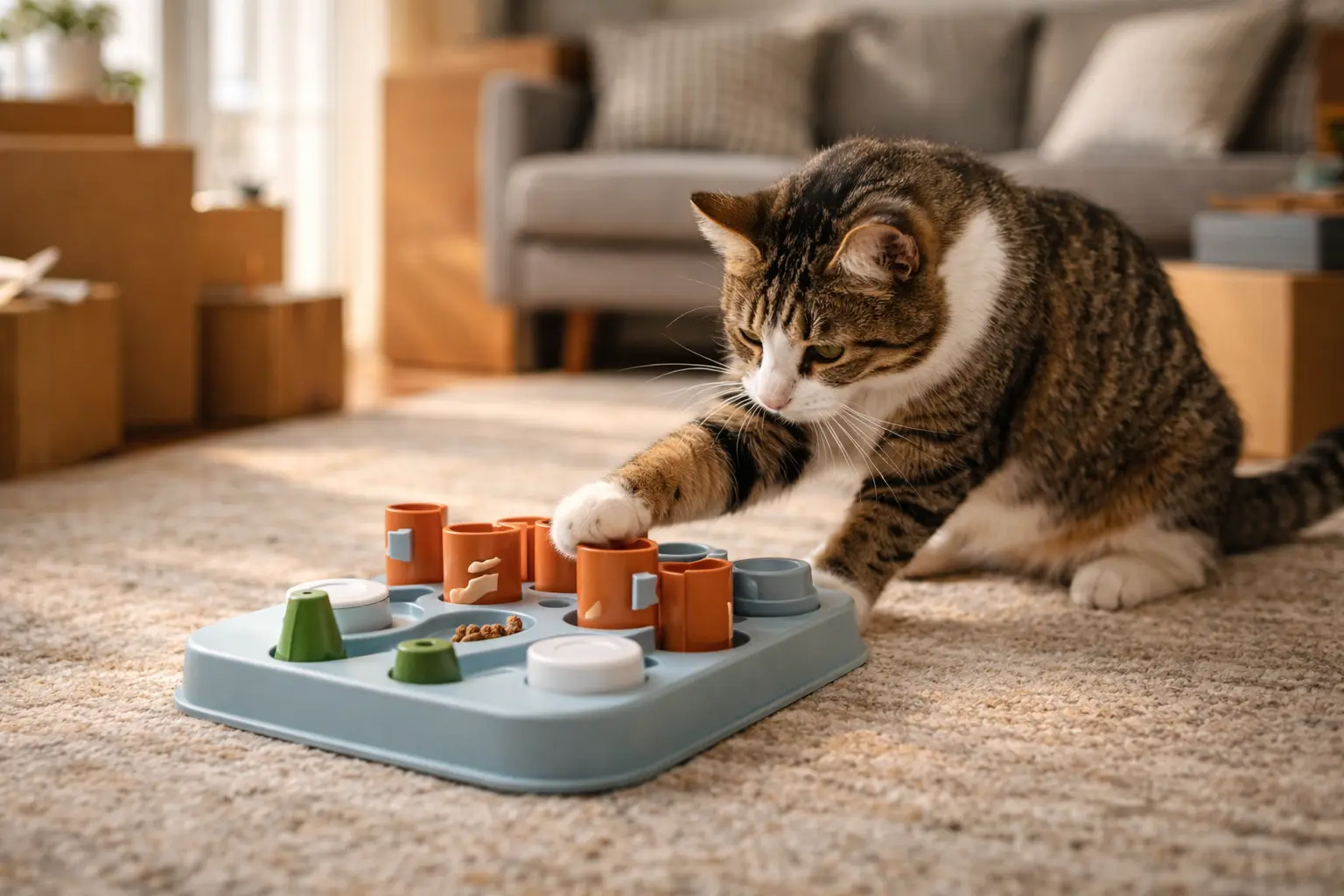
Use puzzle feeders, treat-dispensing toys, or interactive play sessions to associate your absence with positive experiences.
Environmental Enrichment
Interactive toys
Scratching posts
Window perches
Background sounds like calm music
Creating a Safe and Comfortable Environment

Designate a Safe Space
Provide a quiet, comfortable area where your cat can relax, such as a cozy bed or enclosed space.
Use Calming Products
Pheromone diffusers, calming sprays, or anxiety-reducing collars can help lower stress levels.
Maintain a Consistent Routine
Feed, play, and interact with your cat at the same times each day to reinforce predictability and security.
When to See a Veterinarian

Identifying Severe Cases
If anxiety leads to extreme destruction, self-harm through overgrooming, or significant appetite loss, professional help is necessary.
Veterinary Evaluation
A vet can rule out medical causes and may recommend supplements or medication for severe anxiety cases.
Consulting an Animal Behaviorist
Certified behaviorists can create personalized treatment plans for long-term improvement.
Long-Term Prevention and Management
Strengthen Your Bond
Daily quality time through play and gentle interaction helps your cat feel secure.
Regular Mental and Physical Stimulation
Interactive play reduces boredom and builds confidence.
Monitor Behavioral Changes
Early detection allows faster intervention and better outcomes.
Conclusion
Managing separation anxiety in cats requires patience, understanding, and consistency. By identifying the underlying causes and applying effective strategies, you can help your cat feel safe and relaxed when alone. Every cat is unique, so improvements may take time. If symptoms persist, professional guidance can make a significant difference in your cat’s emotional health and happiness.
Frequently Asked Questions (FAQs)
- Can separation anxiety in cats be cured completely?
While some cats may always be prone to anxiety, consistent management can greatly reduce symptoms.
- How long does improvement take?
Some cats improve within weeks, while others may take several months.
- Are certain breeds more prone to separation anxiety?
Yes, breeds like Siamese and Burmese tend to be more social and dependent.
- Can medication help?
In severe cases, veterinarians may prescribe medication as part of a treatment plan.