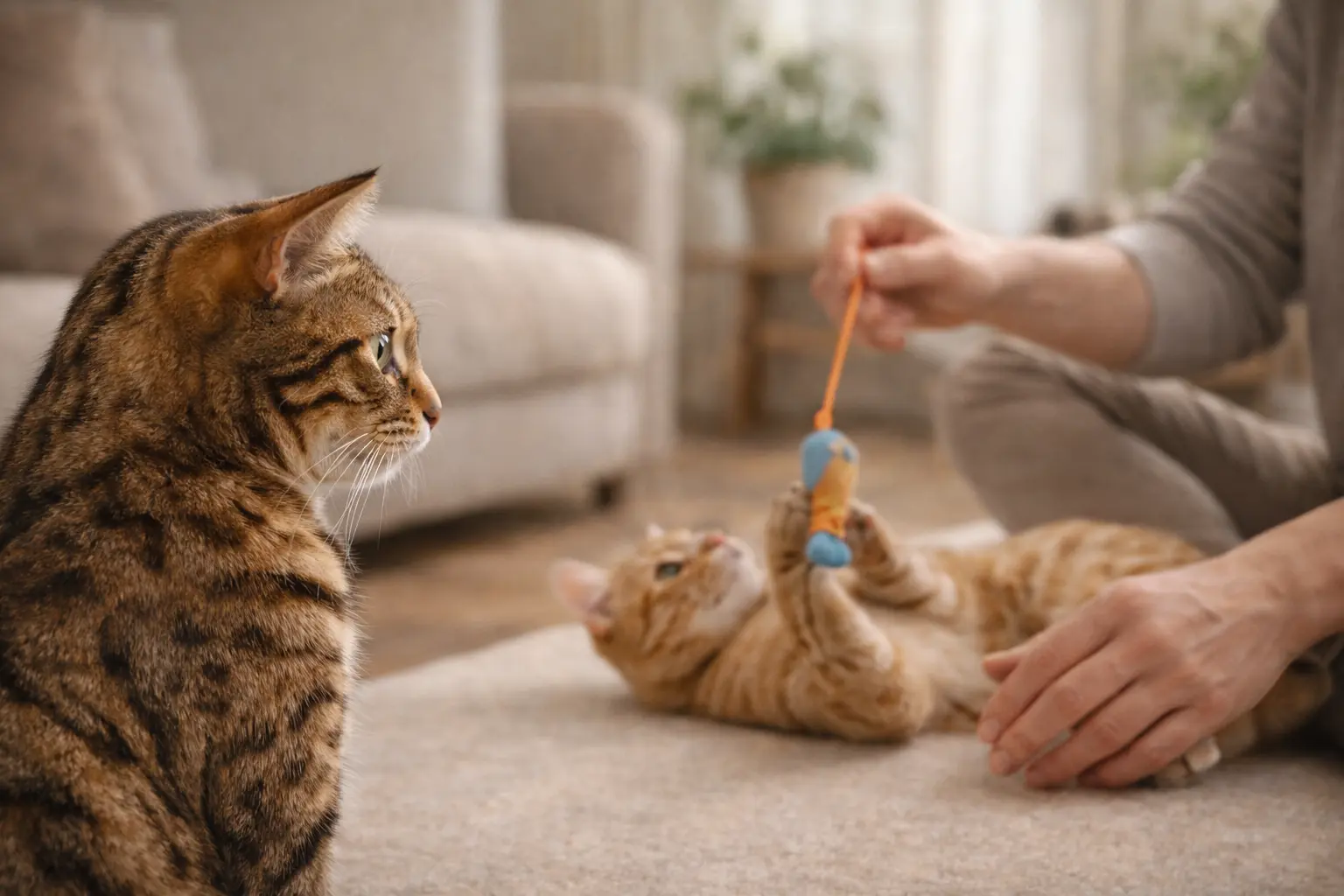
Cats are often seen as independent creatures, but their emotional lives can be complex and nuanced, particularly when it comes to relationships with other cats. Jealousy is an emotion that many pet owners may not associate with felines, yet it can manifest in various behaviors that impact the harmony within a multi-cat household. Understanding the signs of jealousy, the factors that contribute to it, and effective management strategies can help cat owners foster a peaceful environment. This article delves into the intricacies of feline emotions, exploring whether cats truly experience jealousy and how to address it when it arises.
Understanding Feline Emotions: An Overview
Emotional Range of Cats
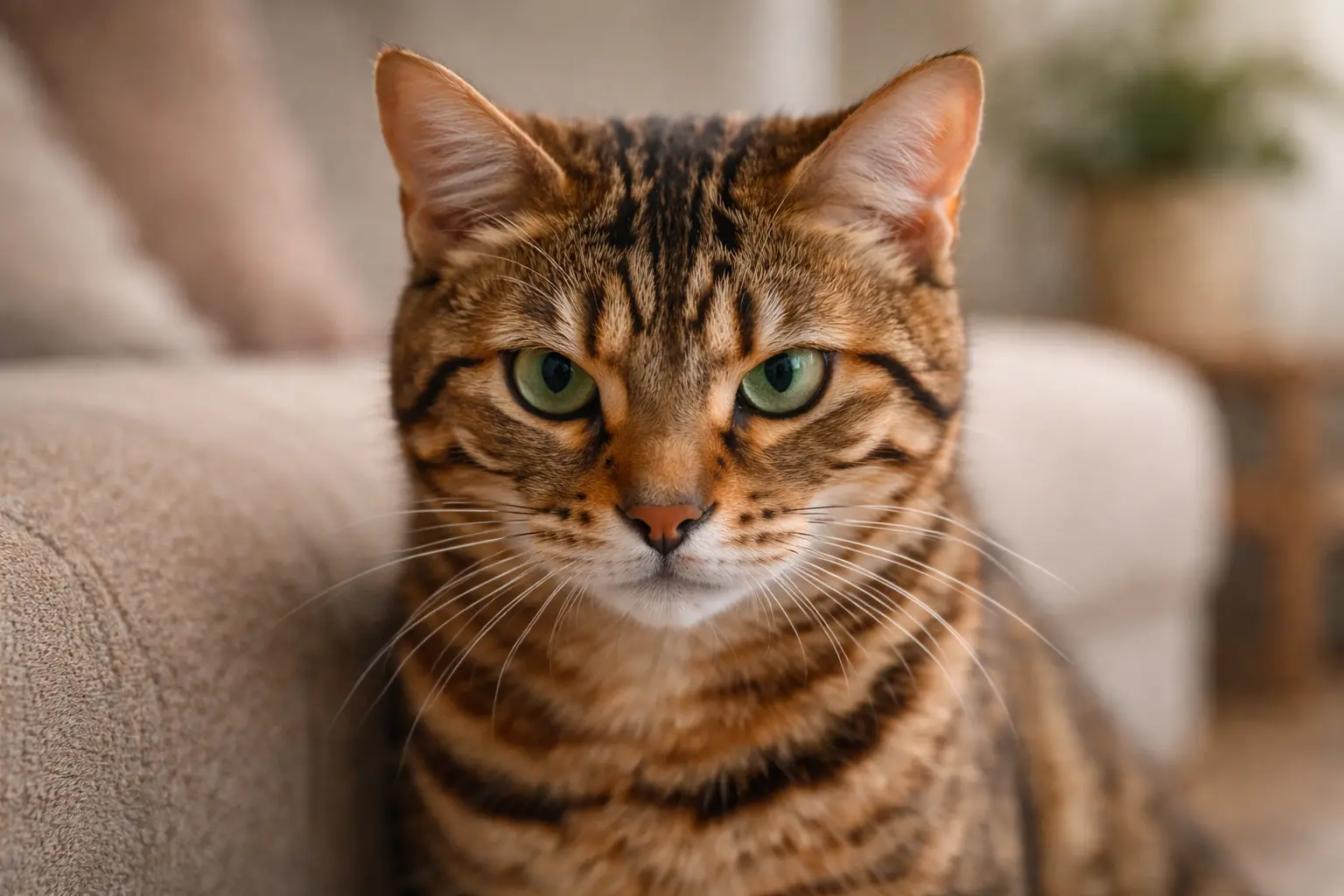
Cats may not be as expressive as dogs when it comes to emotions, but don’t let that fool you. They have a surprisingly rich emotional life filled with affection, curiosity, and yes, jealousy. Research suggests that cats can experience a variety of feelings, from contentment to frustration, which means they’re not just aloof little furballs; they’re capable of love and rivalry alike. So, next time your cat stares at you like you’ve just betrayed them with a mere eye contact with another cat, know they might just be feeling a twinge of jealousy.
Common Misconceptions About Cat Behavior
It’s easy to fall into the trap of thinking cats are just solitary creatures who don’t care about their fellow felines. However, many cat owners discover that their pets can be quite social and sensitive to changes in their environment. Misunderstandings also abound around the idea that cats are always independent and aloof—when in reality, they’re often more aware of their surroundings and their housemates than we give them credit for. So, while they might not be throwing a jealous fit like a toddler, don’t underestimate their capacity for emotional complexity.
Signs of Jealousy in Cats
Body Language Indicators
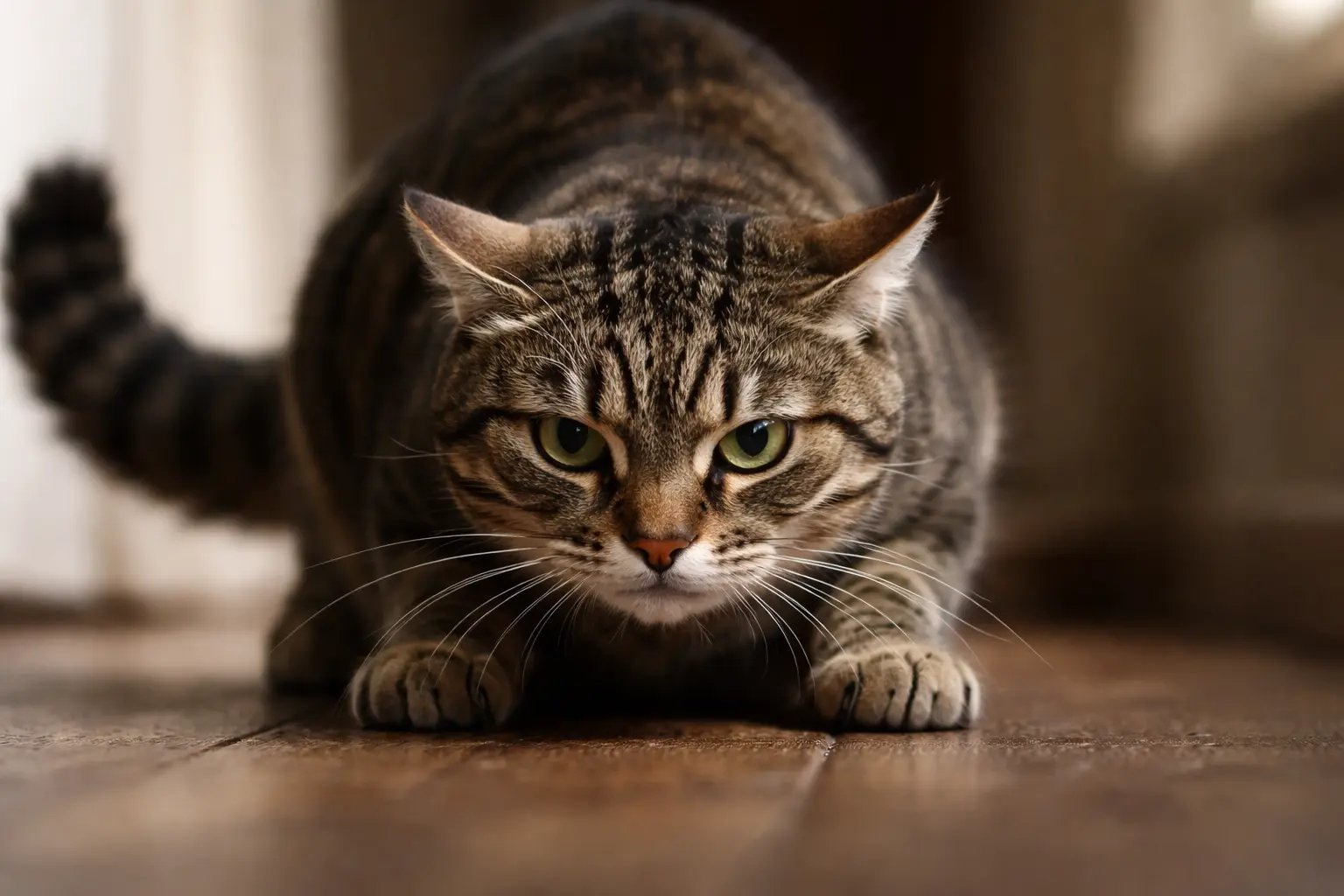
Understanding cat body language is key to interpreting their feelings. When a cat is jealous, you might notice some classic signs: a twitching tail, flattened ears, or a stiff posture. They might even engage in some not-so-subtle behaviors, like staring intently at the other cat or trying to position themselves between you and the perceived rival. Think of them as furry little drama queens, ready to showcase their inner diva whenever they feel threatened by another cat's presence.
Vocalizations and Their Meanings
If you’ve ever been serenaded by a yowling cat, you know they can be quite vocal about their feelings. Jealousy often manifests in increased vocalizations, such as hissing, growling, or even the classic “I’m not happy about this” meow. These sounds can signal discomfort or an invitation to intervene. So, when your cat suddenly turns into an opera singer, it might just be their way of saying, “Hey, that’s MY spot!”
Changes in Behavior and Routine
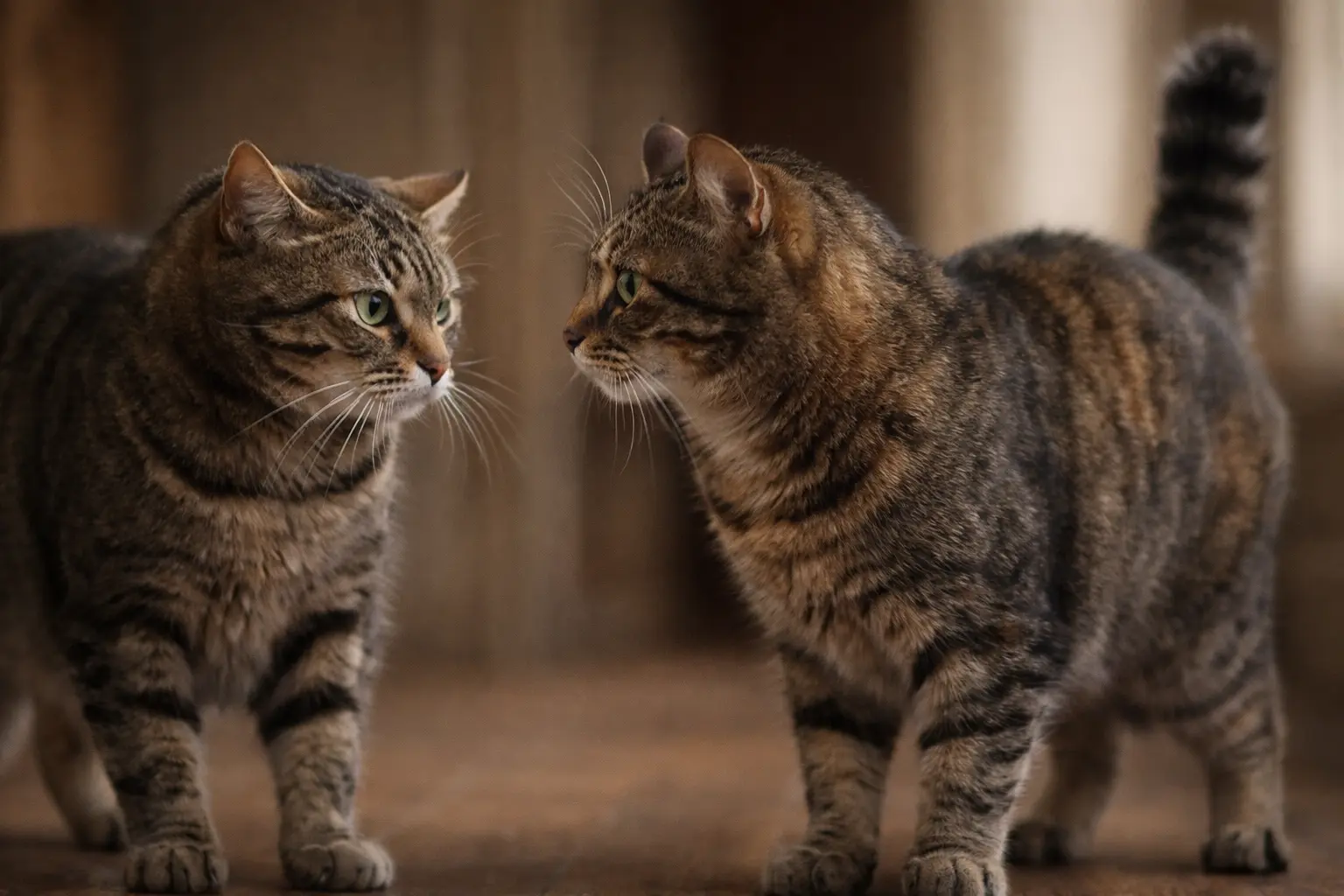
A jealous cat might shake things up by changing their everyday habits. If your usually social kitty suddenly decides to hide all day or refuses to use the litter box (cue the dramatic music), they might be feeling a bit neglected. Other signs include excessive grooming, aggressive play, or even trying to hog your attention with all sorts of antics. Remember, a cat’s sulking can be just as telling as their playful pounces.
Factors Contributing to Jealousy Among Cats
Competition for Resources
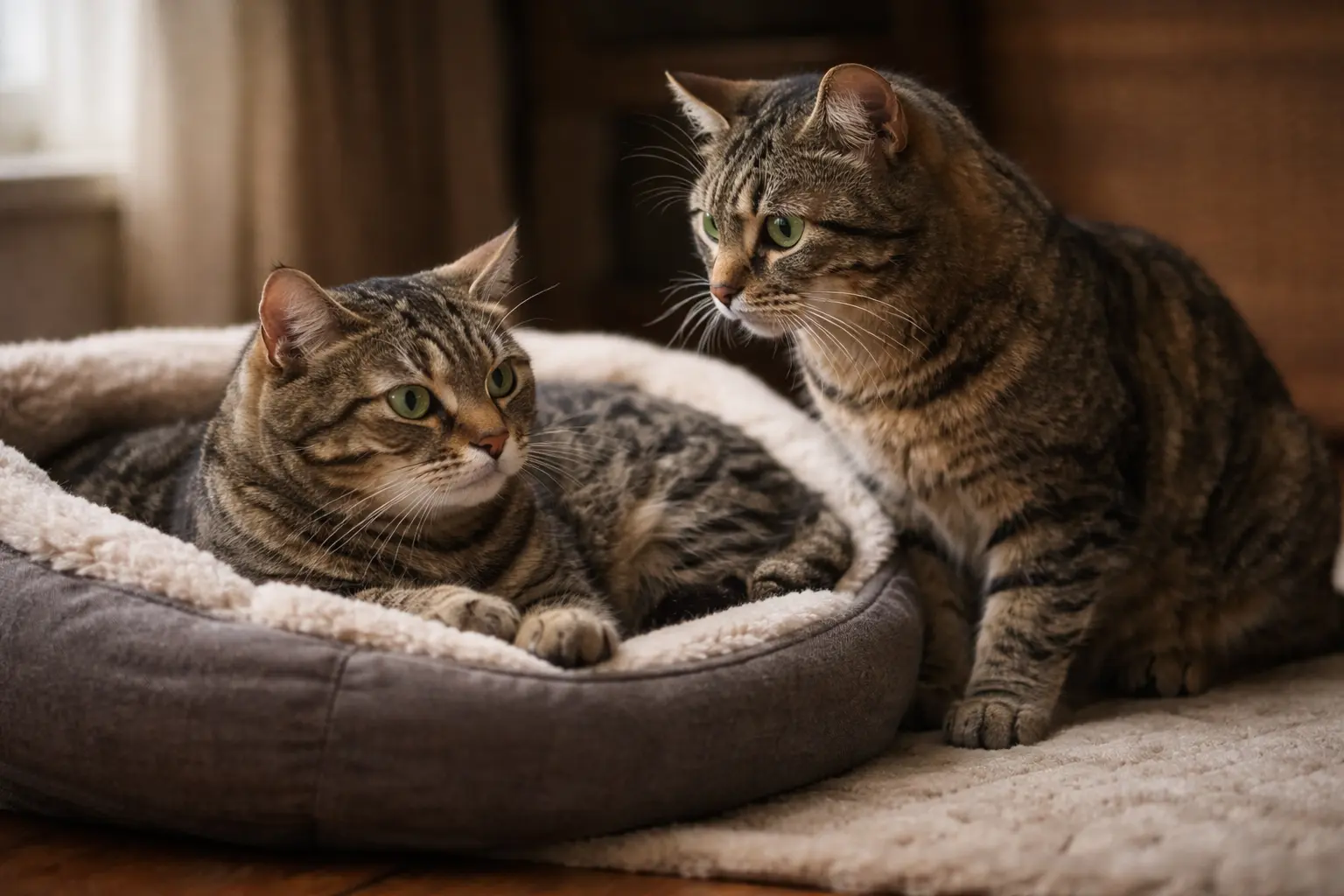
Resource competition can quickly lead to feline jealousy. This includes everything from food bowls to cozy sunny spots. If you’ve got multiple cats, it’s crucial to provide plenty of resources to avoid those awkward standoffs. Think of your home as a feline paradise rather than a battlefield—multiple feeding stations and comfy sleeping spots can go a long way in keeping the peace.
Changes in Household Dynamics
Cats thrive on routine, so any sudden changes can throw them into a tailspin—as well as trigger jealousy. Introducing a new cat, moving to a new home, or even a shift in your own attention can bring about feelings of insecurity. If your once-peaceful household resembles a soap opera, it’s probably time to reassess who’s getting the most love (and treats) in your home!
Personality Differences Among Cats
Just like humans, every cat has its own personality. Some are more laid-back and tolerant, while others might be natural divas. Cats who are more dominant may find themselves getting jealous of more timid housemates, leading to rivalry. Understanding these personalities can help you navigate feline relationships better and create a harmonious household where jealousy takes a back seat to friendship.
Comparing Jealousy in Cats and Dogs
Similarities in Jealous Behavior
It turns out that jealousy isn’t just reserved for our feline friends; dogs experience it too! Both species are capable of feeling threatened by the attention given to another animal. Whether it's a cat giving a side-eye to a new puppy or a dog pouting because their owner is showering affection on a new feline friend, they all seem to have a similar reaction. The jealousy stems from a common instinct to secure resources and affection—though cats might express it with a bit more flair.
Differences in Expression and Response
While cats and dogs both feel jealousy, their methods of expressing it could not be more different. Dogs often seek direct attention from their owners or might act out through playfulness or even aggression. Cats, on the other hand, might sulk, strategize, or deliver intense glares without ever crossing the room. If a dog’s jealousy is akin to a puppy stomping around the house, a cat’s is more like a silent, accusing stare from atop their favorite perch. So, while they share the emotion, their go-to strategies look completely different!
Managing Jealous Behavior in Multi-Cat Households
Creating Separate Spaces for Each Cat
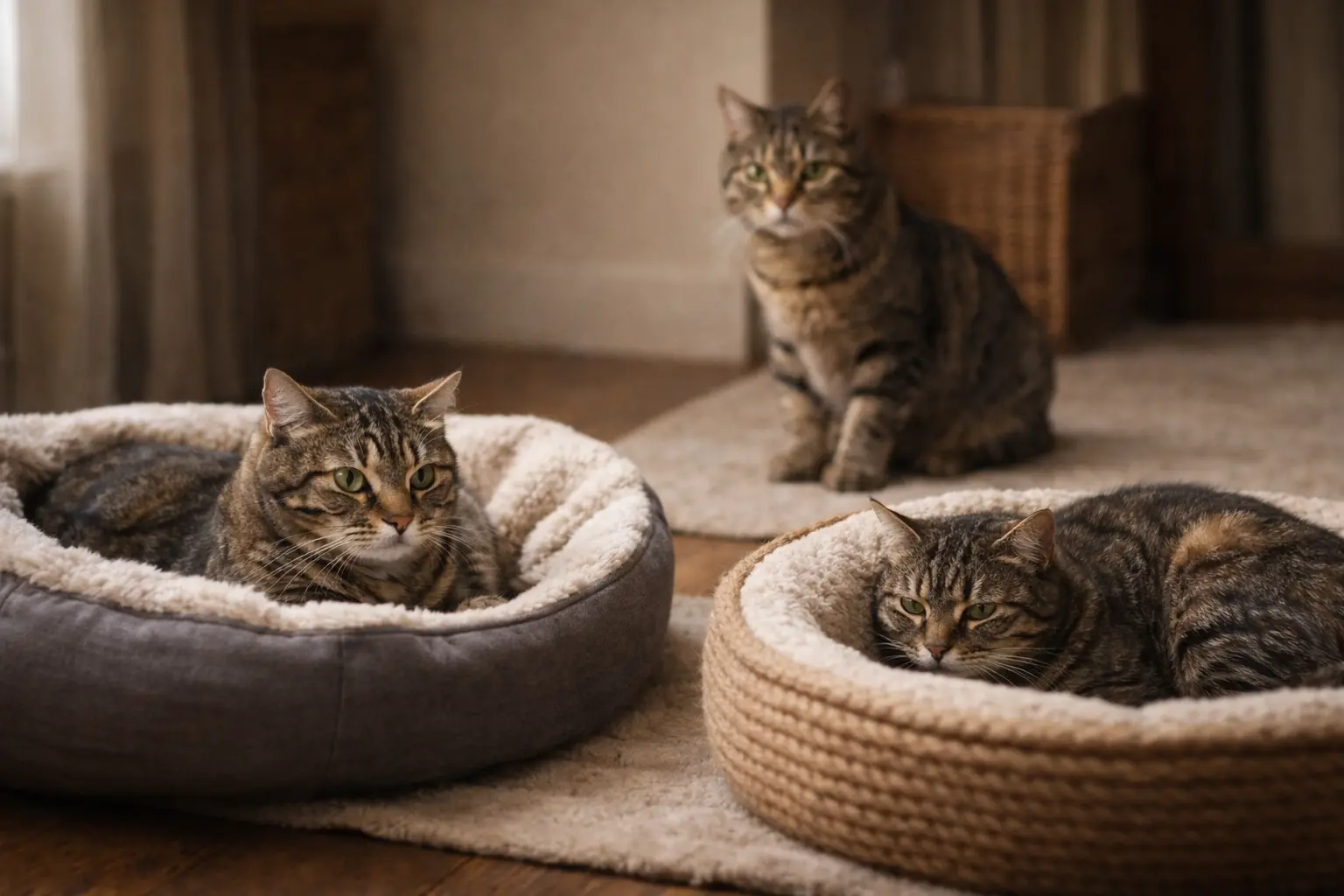
Cats are like introverts at a party; they appreciate their personal space. To ease any kitty tensions, set up separate spaces in your home. Think cozy nooks or sunny windowsills where each cat can retreat and feel safe. This way, they can indulge in their inner diva without feeling overshadowed by their housemates. Just ensure these spaces have all the essentials: food, water, litter boxes, and a few toys—because what’s the point of privacy without a little fun?
Establishing Feeding Routines
Feeding time can be a prime jealousy trigger, akin to a buffet line gone wrong. To keep the peace, establish a feeding routine that allows each cat to dine in their own territory. This prevents the infamous "food thief" scenario and promotes a sense of security. Use timed feeders or simply feed them in different rooms. You’ll be amazed at how a well-structured meal can fill bellies and calm frayed nerves. Who knew dinner could be the secret ingredient for harmony?
Encouraging Positive Interactions
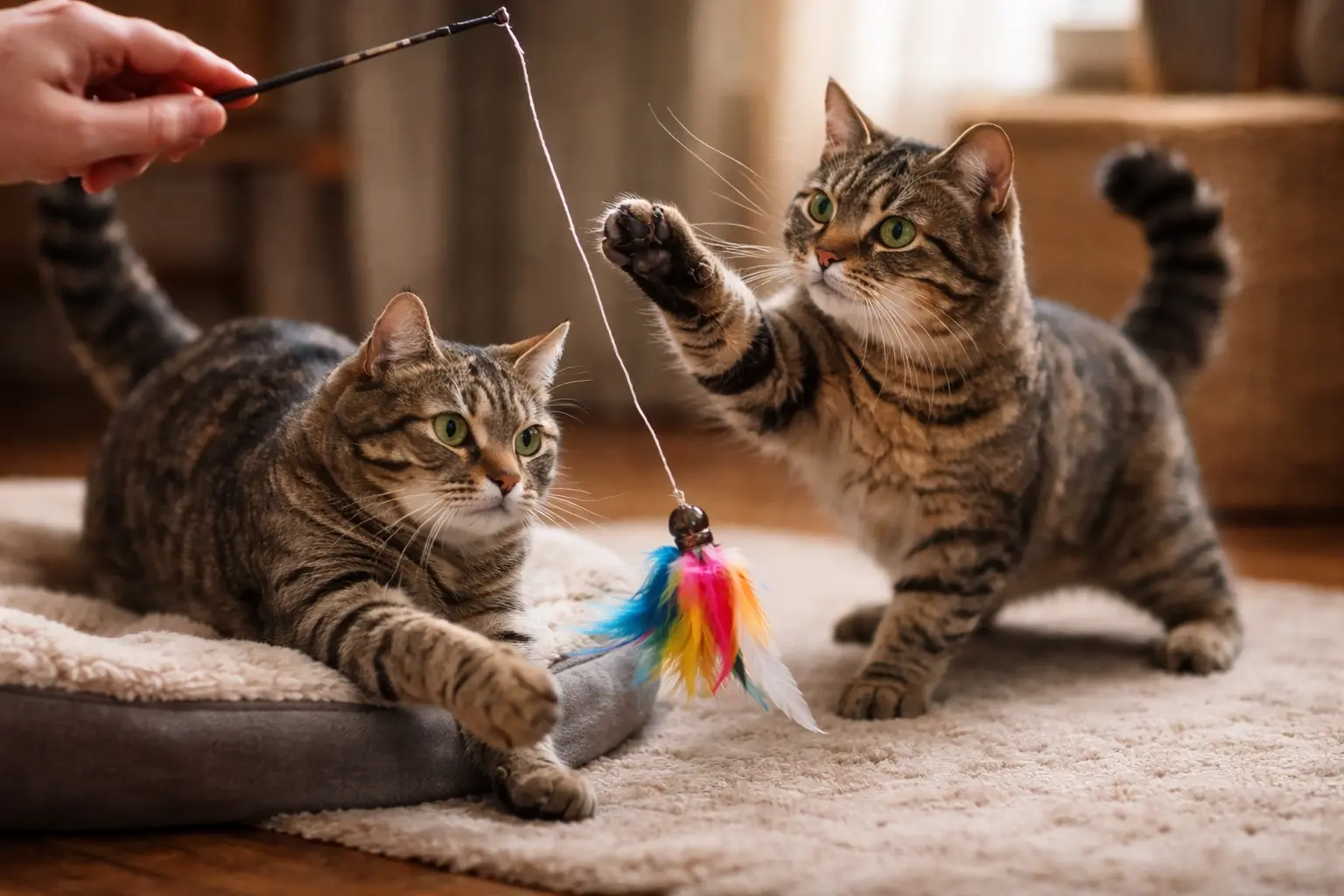
Instead of letting sibling rivalry brew, foster positive interactions among your feline friends. Engage them in joint play sessions with feather wands or laser pointers—preferably while wearing your finest catnip-infused attire, because why not? Reward them for calm behavior around each other with treats or praise. Little by little, they'll learn that sharing time can be more rewarding than giving each other the stink eye.
The Role of Environment in Cat Jealousy
Understanding Territory
Every cat is a ruler in their own right, fiercely guarding their territory like it’s the Crown Jewels. Understanding this territorial nature is key to preventing jealousy. Cats often feel threatened if their space is encroached upon. Try to minimize overlap by giving each cat their own domain. That might mean a personal litter box, scratching post, or even their own royal throne (a.k.a. cat tree). When they feel secure in their territory, jealousy can take a backseat to harmony.
Environmental Enrichment Solutions
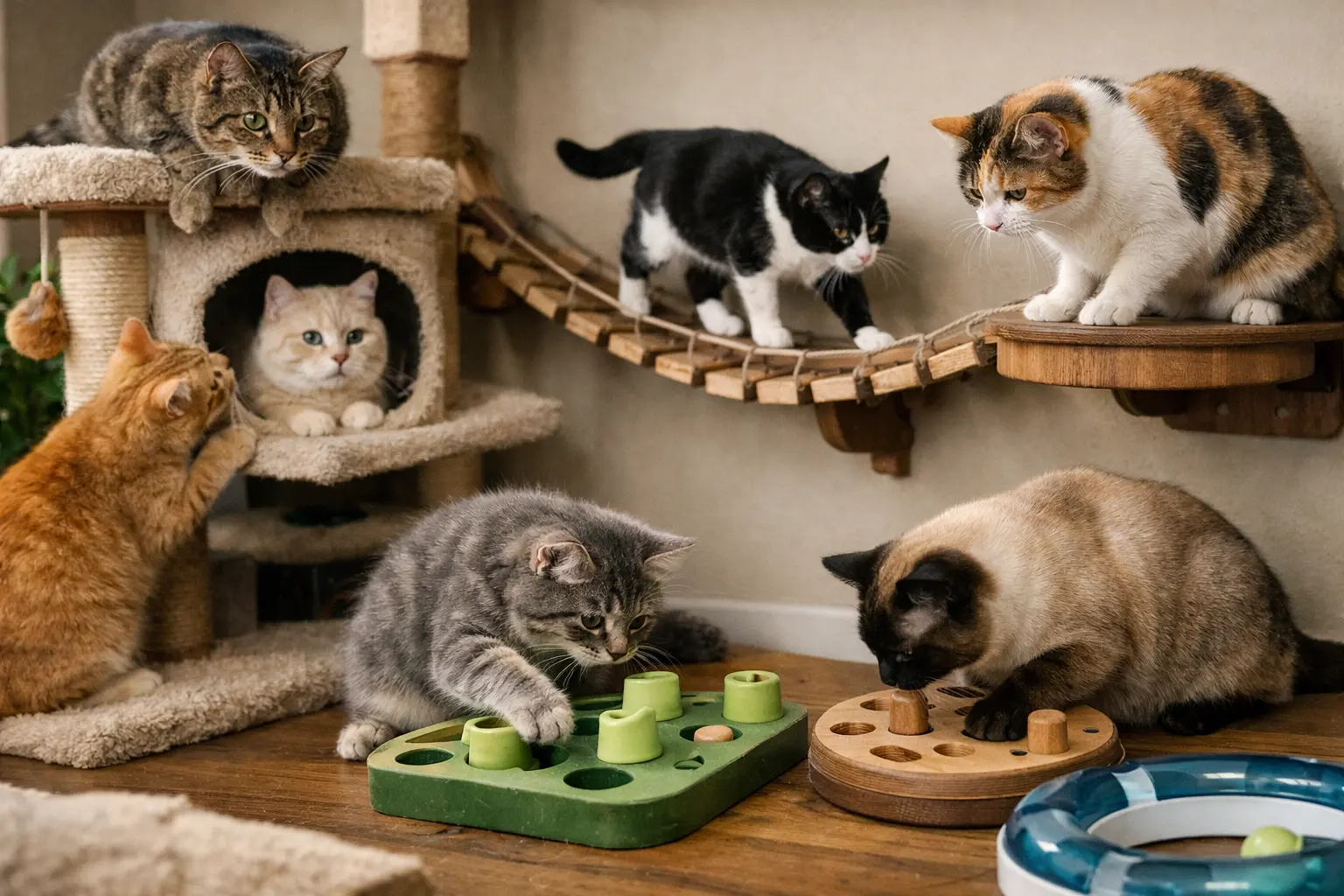
Boredom can fuel jealousy faster than a cat can knock over a houseplant. Enrich your cats’ environment with interactive toys, climbing structures, and puzzle feeders that stimulate their minds and bodies. Rotate toys regularly to keep things fresh and exciting. When your cats are busy, happy, and entertained, they’re less likely to throw shade at each other over who sat in the sunbeam first.
Tips for Fostering Harmony Among Cats
Introducing New Cats to the Household
Bringing a new cat home can feel like introducing a new coworker—everyone is a bit unsure of how it will go. To make the transition smoother, introduce new cats slowly. Start with a scent exchange—allow them to sniff each other’s bedding before the big reveal. When the time comes for face-to-face introductions, keep things calm with short, supervised visits. Catnip might help break the ice, but be careful—some cats prefer to keep their feelings to themselves.
Using Positive Reinforcement Techniques
When it comes to cats, positive reinforcement is the way to go—think treats, treats, and more treats! Reward your cats when they interact positively or show good behavior around each other. Whether it’s a gentle nuzzle, sharing a sun spot, or just not hissing, acknowledge those moments! The more they associate each other with good things, the less likely they’ll be to engage in jealousy-fueled antics.
When to Seek Professional Help for Cat Behavior Issues
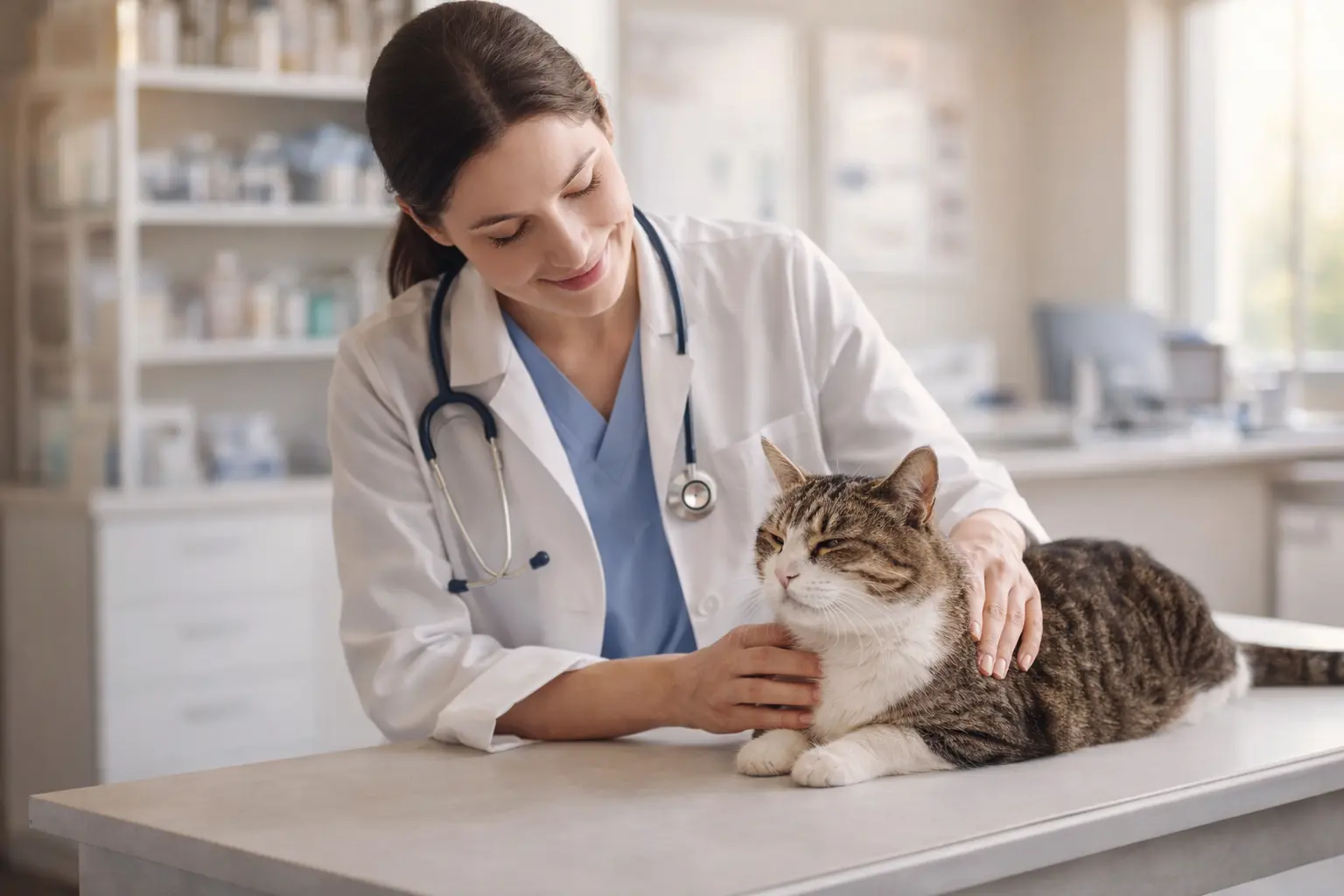
Identifying Severe Behavioral Problems
While a little jealousy is normal, it becomes a concern when it escalates to aggressive behavior or anxiety. If you notice one cat stalking another, excessive hiding, or a sudden shift in litter box habits, it’s time to take action. Pay attention to signs like hissing, growling, or territorial marking. If these behaviors persist, don’t hesitate to consult an expert—you wouldn’t try to fix a car without a mechanic, right?
Finding a Qualified Animal Behaviorist
If your feline friends’ drama has reached soap opera levels, it may be time to call in a professional. Look for a qualified animal behaviorist who specializes in feline issues. They can assess the situation and provide tailored strategies that might just save your sanity—and your furniture. Remember, every cat is unique, and sometimes, the best way to restore peace is to get expert help in your corner, preferably one with a few catnip toys of their own.In conclusion, while cats may not experience jealousy in the same way humans do, their behaviors can certainly reflect feelings of competition and insecurity in multi-cat households. By recognizing the signs of jealousy and understanding the underlying factors that contribute to such emotions, cat owners can take proactive steps to create a more harmonious environment for their feline companions. With patience and the right strategies, fostering positive relationships among cats is entirely achievable, ensuring that all pets feel secure and loved.
FAQs
1. Can cats feel jealousy like humans do?
Cats may not feel jealousy in the same way humans do, but they can exhibit behaviors that suggest competition or insecurity, especially in multi-cat households.
2. What are common signs that a cat is feeling jealous?
Common signs of jealousy in cats include aggressive behavior towards other cats, increased vocalization, changes in litter box habits, and attempts to claim resources such as food or attention.
3. How can I help my cats get along if one seems jealous?
Creating separate spaces for each cat, establishing feeding routines, and encouraging positive interactions through playtime can help address jealousy and foster harmony.
4. When should I consult a veterinarian or animal behaviorist about my cat's behavior?
If your cat's jealous behavior escalates to aggression or severe stress, or if you notice significant changes in their health or daily habits, it is advisable to seek professional help.