Excessive meowing in cats can be a perplexing and often frustrating behavior for pet owners. While meowing is a natural form of communication for felines, an increase in vocalization can indicate underlying issues that require attention. Understanding the reasons behind this behavior is essential for creating a harmonious living environment for both you and your cat. From health concerns to environmental stressors, various factors can contribute to excessive meowing. In this article, we will explore the common causes of this behavior, provide effective management strategies, and offer insights on when it may be necessary to seek professional help.
1. Understanding Excessive Meowing in Cats
1.1 Defining Excessive Meowing
Excessive meowing in cats is like that friend who just can't take a hint—it's more than the occasional "howdy" or "feed me." If your feline is constantly belting out a meow that could rival a rock concert, you’ve entered the realm of excessive meowing. This behavior can vary from persistent chirping to desperate wailing, and it’s essential to figure out if your cat has a valid complaint or is simply auditioning for a role in the next big musical.
1.2 The Role of Communication in Cats
Cats have an impressive communication arsenal, and meowing is just one of their methods. Unlike dogs, who are vocal for a variety of reasons, cats primarily use meowing to communicate with humans—yes, they see us as their personal audience. Whether it’s a hello, a plea for food, or a demand for attention, their feline vocalizations are their way of saying, “Listen up, human! I have something to say!” Understanding this can help you interpret their meows better and figure out if your cat is just feeling chatty or if their meowing is a cry for help.
2. Common Causes of Excessive Meowing
2.1 Hunger and Thirst
Ah, the classic case of “Feed me, human!” If your cat’s meows are hitting you harder than the reminder of your last diet, chances are they are hungry or thirsty. Cats can be quite vocal when their food bowl isn’t filled to their liking, or if they’ve decided that their water supply is below standard. Just like you wouldn’t want to starve before dinner, your cat is letting you know that it’s time to fill up their buffet!
2.2 Attention-Seeking Behavior
If your cat has figured out that meowing gets them the attention they crave (even if it’s a scolding), you’ve got a little diva on your hands. Cats often meow to draw you in for a cuddle session or simply to remind you of their omnipresence. Remember, they also believe they are the center of the universe, and your attention is the ultimate prize. So, if they’re getting a little too vocal, they just might be trying out for the role of ‘your new best friend.’
2.3 Stress and Anxiety
Just like us, cats can experience stress and anxiety, leading to excessive vocalization. Changes in their environment, such as moving homes or the dreaded vacuum monster, can provoke a serious case of the meows. If your cat seems to be meowing more when something is amiss in their world, it might be time to explore ways to help them feel more secure and tranquil at home.
2.4 Health Issues
When all else fails and your cat is still singing the meow blues, it’s essential to consider health issues. Conditions like hyperthyroidism or kidney disease can prompt excessive vocalization. If your cat’s meowing becomes a daily symphony, it’s worth checking in with the vet to rule out any underlying health problems that might be causing this sudden burst of vocal enthusiasm.
3. Assessing Your Cat's Health
3.1 Recognizing Signs of Illness
Keep your eyes peeled! Along with excessive meowing, other signs may indicate that your cat is feeling under the weather. Look for changes in behavior, such as hiding more than usual, changes in appetite, or even bathroom breaks that seem off. If your feline is giving off an air of discontent or uncharacteristic grumpiness, it might be their way of saying, “Help, I’m not feeling great!”
3.2 When to Visit the Veterinarian
If you’ve done your detective work and still can’t find a reason for your cat’s vocal escapades, or if you notice any signs of illness, it’s time to schedule a playdate with the vet. Don’t let excessive meowing turn into a game of “guess what’s wrong”—better to be safe than sorry. Your veterinarian is the ultimate authority in deciphering whether your furry friend is just unusually chatty or if they need medical attention.
4. Environmental Factors Contributing to Meowing
4.1 Changes in Routine
Cats thrive on consistency, much like that one friend who orders the same meal every time they eat out. If there’s been a change in your daily routine—like a new work schedule or variations in feeding times—your cat may respond with excessive meowing as they try to adjust to their new reality. Consider helping them settle into their new groove by keeping to a routine that resembles their old one as closely as possible.
4.2 New Additions to the Household
Introducing a new pet, baby, or even that questionable piece of furniture that just doesn’t belong can rattle your cat’s nerves and lead to a meowing marathon. Cats are creatures of habit, and any new face (or object) may throw them into a state of confusion. If you’ve added something new to the mix, they might be voicing their concerns about who or what is now infringing on their territory.
4.3 Noise Pollution and Disturbances
Your cat’s sensitive ears can pick up noises that we might be blissfully unaware of, such as construction, sirens, or even the neighbor’s enthusiastic karaoke sessions. If your feline is suddenly more vocal and you’ve noticed increased external disturbances, it’s possible they’re overwhelmed by all the racket. Creating a quieter and more peaceful environment can help ease your cat's anxiety and dial down the meowing symphony.
5. Behavioral Issues and Their Impact
5.1 Territorial Behavior
Cats are natural-born conquerors, and that means they often feel the need to stake their claim on their territory. Excessive meowing might be their way of letting others know, “Hey, this is MY space!” If you’ve recently introduced a new pet, or if the scent of a neighborhood stray wafts into your cat’s domain, you might notice a spike in vocalizations. It’s their version of shouting, "Intruder alert!"
5.2 Boredom and Lack of Stimulation
Imagine being stuck at home with nothing to do but stare at the wall—yawn, right? Cats can get bored too! If your feline is meowing like there's no tomorrow, it could be their way of saying, “Hello? Is anyone out there? I need entertainment!” A lack of stimulation can lead to excessive vocalization as they try to fill the silence with some good ol' meow-sical talent.
5.3 Age-Related Changes
Aging is a slippery slope for our furry friends, and it can bring its own set of challenges. Older cats may experience changes in their cognitive functions, leading to confusion and increased vocalization. You might find your seasoned kitty meowing more, not because they have something profound to say, but because they’ve forgotten what they were going on about in the first place!
6. Effective Strategies to Manage Excessive Meowing
6.1 Training Techniques
Just like a dog can be trained to sit, cats can learn a few tricks too! Use positive reinforcement to teach your cat that meowing excessively doesn’t get them what they want. Reward quiet moments with treats or affection, and soon you’ll find yourself holding the meow monopoly in your home.
6.2 Creating a Calm Environment
Cats appreciate tranquility, much like we do during a Netflix binge. Ensure their environment is stress-free by minimizing loud noises and potential stressors. A cozy space away from commotion can help your cat unwind and keep those vocal cords in check. Think zen garden, but for your feline!
6.3 Providing Enrichment Activities
Time to unleash your creativity! Keep your kitty entertained with toys, puzzle feeders, and interactive play sessions. Rotate their toys regularly so they don’t get bored of the same old antics. Engaging them in play can channel their energy into something productive—like plotting their next nap!
7. When to Seek Professional Help
7.1 Identifying When It's Necessary
If your cat’s excessive meowing becomes more persistent than a telemarketer during dinner time, it may be time to consult a professional. Look out for signs of distress or if their vocalization affects their daily life (or yours!). If they’re meowing at 3 a.m. like it’s karaoke night, you might consider seeking help.
7.2 What to Expect from a Consultation
A vet or animal behaviorist will likely ask you a few questions about your cat’s routine and habits. They may conduct a physical exam to rule out any health issues. Expect to leave with a game plan that could include behavioral strategies or medical advice—because sometimes, excessive meowing is a sign that your cat just needs a little extra love and care (and maybe some catnip).
8. Preventive Measures for a Quiet Home
8.1 Establishing a Routine
Cats thrive on routine, much like your morning coffee. Set regular meal times, play sessions, and cuddle hours to help your kitty feel secure. A predictable schedule can minimize anxiety and reduce the urge to meow incessantly. Just think of it as your cat's version of a daily planner!
8.2 Regular Health Check-ups
Don’t skip the vet visits! Regular health check-ups can catch any underlying issues before they become meow-mageddon. It’s essential to ensure your kitty's health is tip-top so that they don’t resort to vocal antics for attention or discomfort.
8.3 Engaging Your Cat's Instincts
Tap into your cat's primal instincts by providing activities that mimic natural behaviors. Scratching posts, climbing trees, and hunting games (you know, the ones where they chase that elusive feather toy) can keep them entertained and calm. It’s a win-win: your cat gets to feel like the fierce hunter they are, and you get some peace and quiet!In conclusion, addressing excessive meowing in cats requires patience, understanding, and a proactive approach. By identifying the underlying causes and implementing effective management strategies, you can help your feline friend find their voice while maintaining a peaceful home. Remember that each cat is unique, and what works for one may not work for another. If the behavior persists, don’t hesitate to consult a veterinarian or a pet behaviorist for additional guidance. With the right care and attention, you can foster a happier and quieter environment for both you and your beloved pet.
FAQs
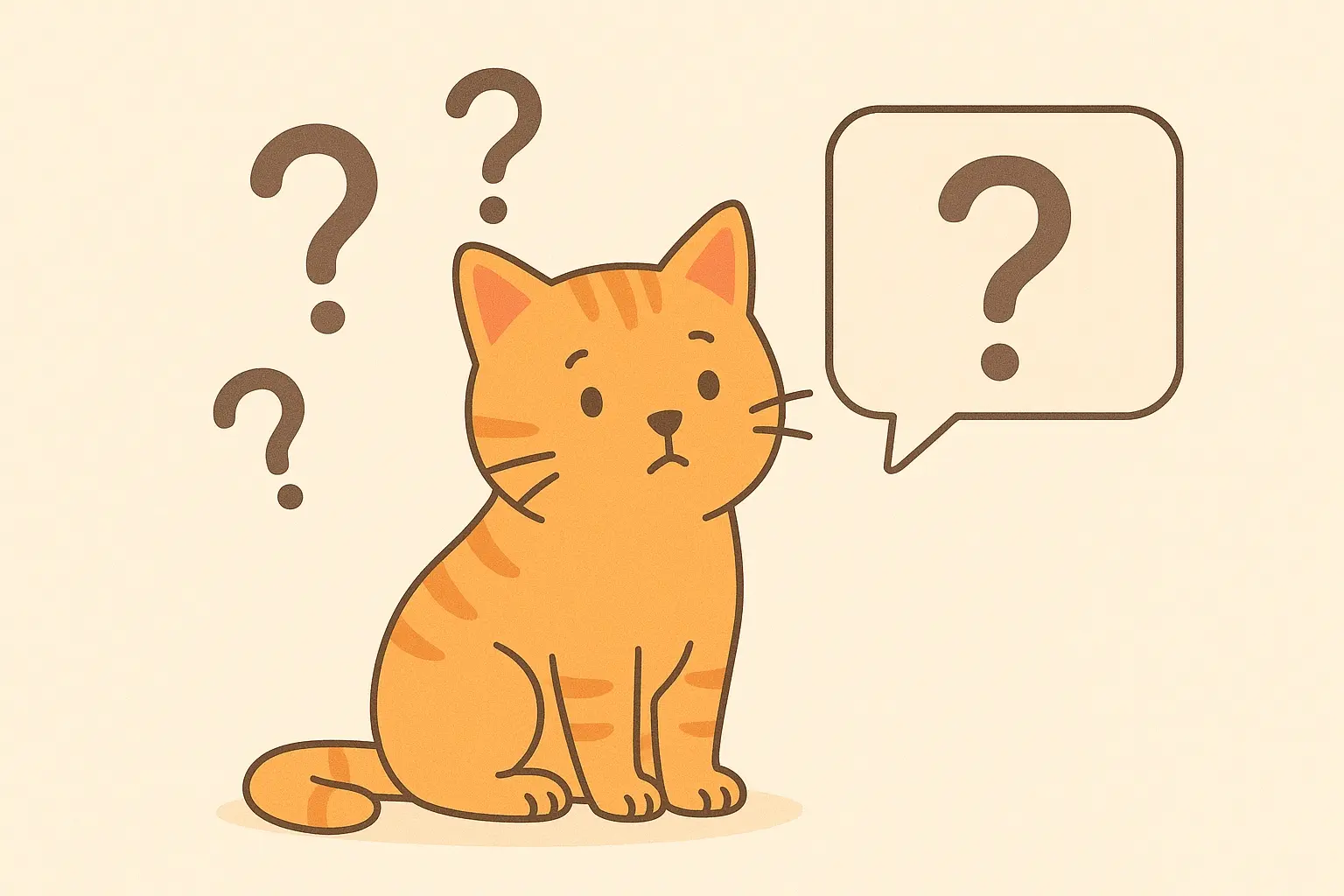
1. What should I do if my cat suddenly starts meowing excessively?
Excessive meowing can indicate an underlying issue, such as health problems or stress. First, assess any recent changes in your cat's environment or routine. If the behavior persists or is accompanied by other concerning signs, consult your veterinarian for a thorough check-up.
2. Can my cat's breed influence the amount they meow?
Yes, some cat breeds are naturally more vocal than others. For example, Siamese and Burmese cats are known for their chatty nature, while others may be quieter. However, excessive meowing can still indicate issues that need to be addressed regardless of breed.
3. How can I tell if my cat is meowing due to a medical issue?
Watch for signs such as changes in appetite, weight loss, lethargy, or changes in litter box habits. If your cat's meowing is accompanied by any of these symptoms, it’s essential to seek veterinary advice to rule out potential health problems.
4. Is it possible to train my cat to stop excessive meowing?
Yes, with consistent training and positive reinforcement, you can encourage your cat to meow less. Techniques include ignoring excessive vocalization, rewarding quiet behavior, and providing interactive toys to keep them engaged. However, it’s important to ensure that their needs are being met to reduce the motivation for excessive meowing.