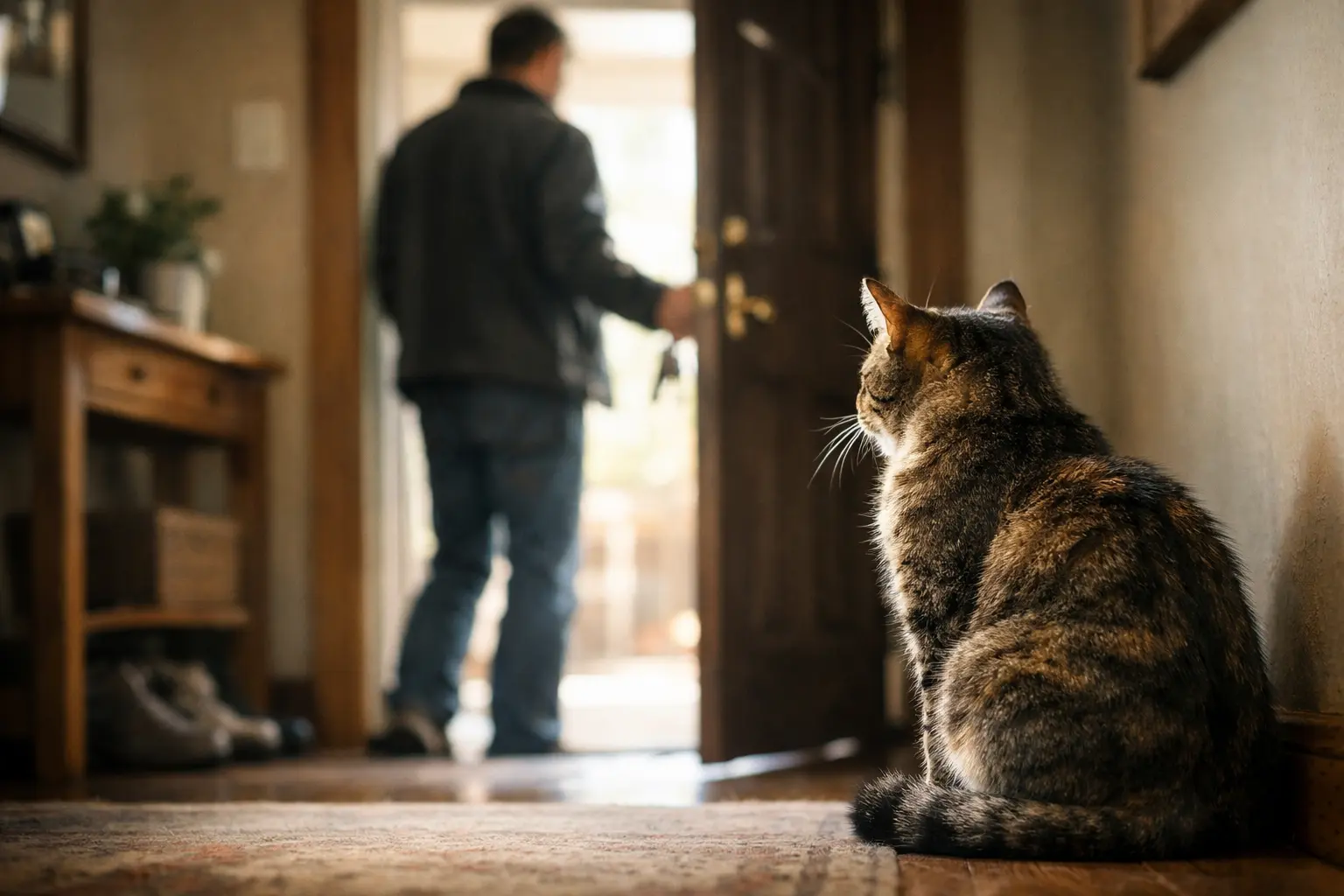
Leaving home can be a stressful experience for many cats, often triggering anxiety that manifests in various behaviors, from excessive vocalization to destructive tendencies. Understanding how to calm an anxious cat is crucial for both their well-being and your peace of mind. Whether you're heading out for a short trip or a longer vacation, implementing effective strategies can help ease your cat's anxiety and create a more comfortable environment in your absence. This article will explore practical tips and techniques to help your feline friend feel secure and relaxed when you're not around.
Understanding Feline Anxiety
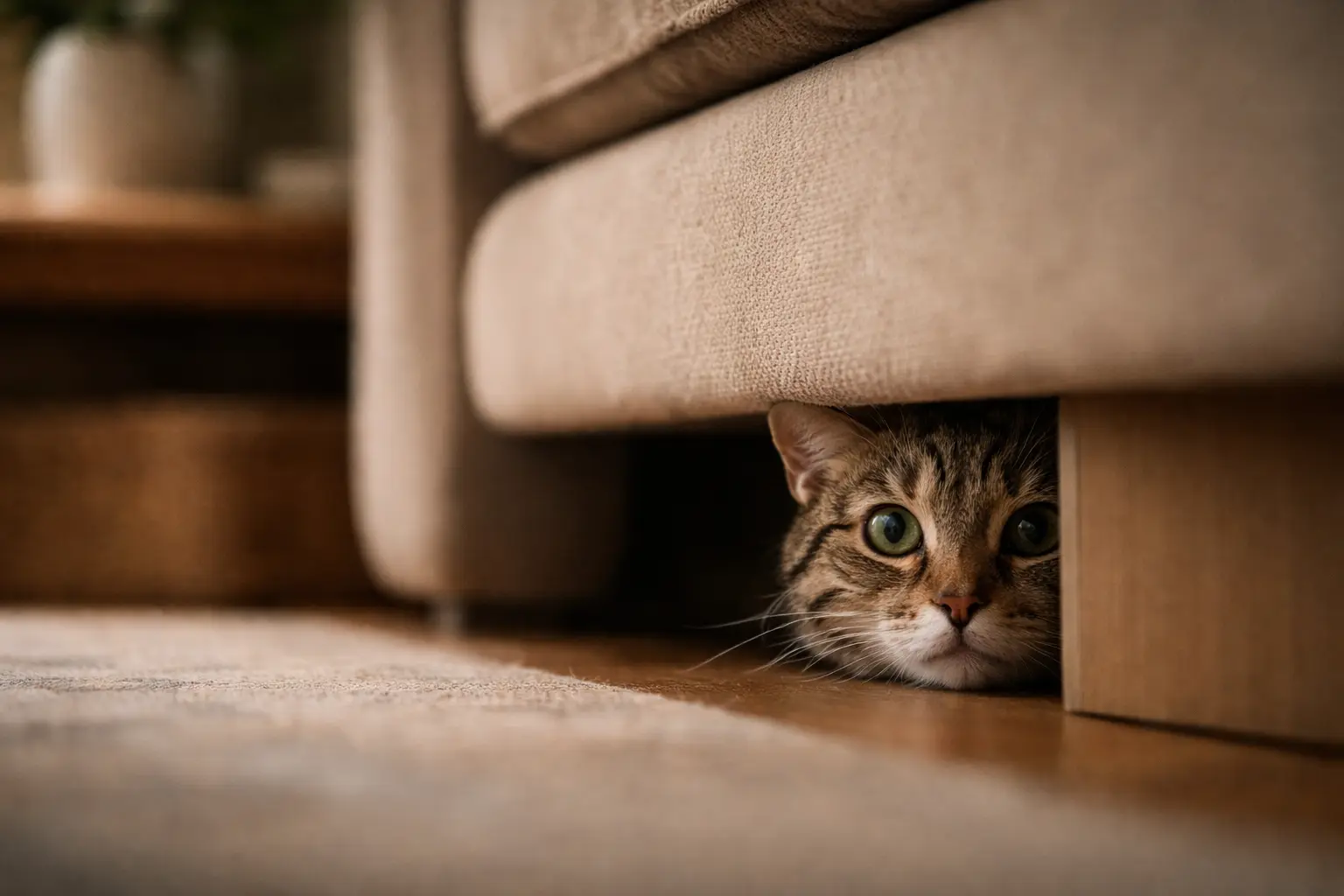
When it comes to our furry friends, anxiety can be a real cat-tastrophe. Unlike that cool cat on the internet, some felines can get all worked up when it comes to separation and unfamiliar situations. Understanding feline anxiety is key to keeping your whiskered buddy relaxed while you’re away.
Signs of Anxiety in Cats
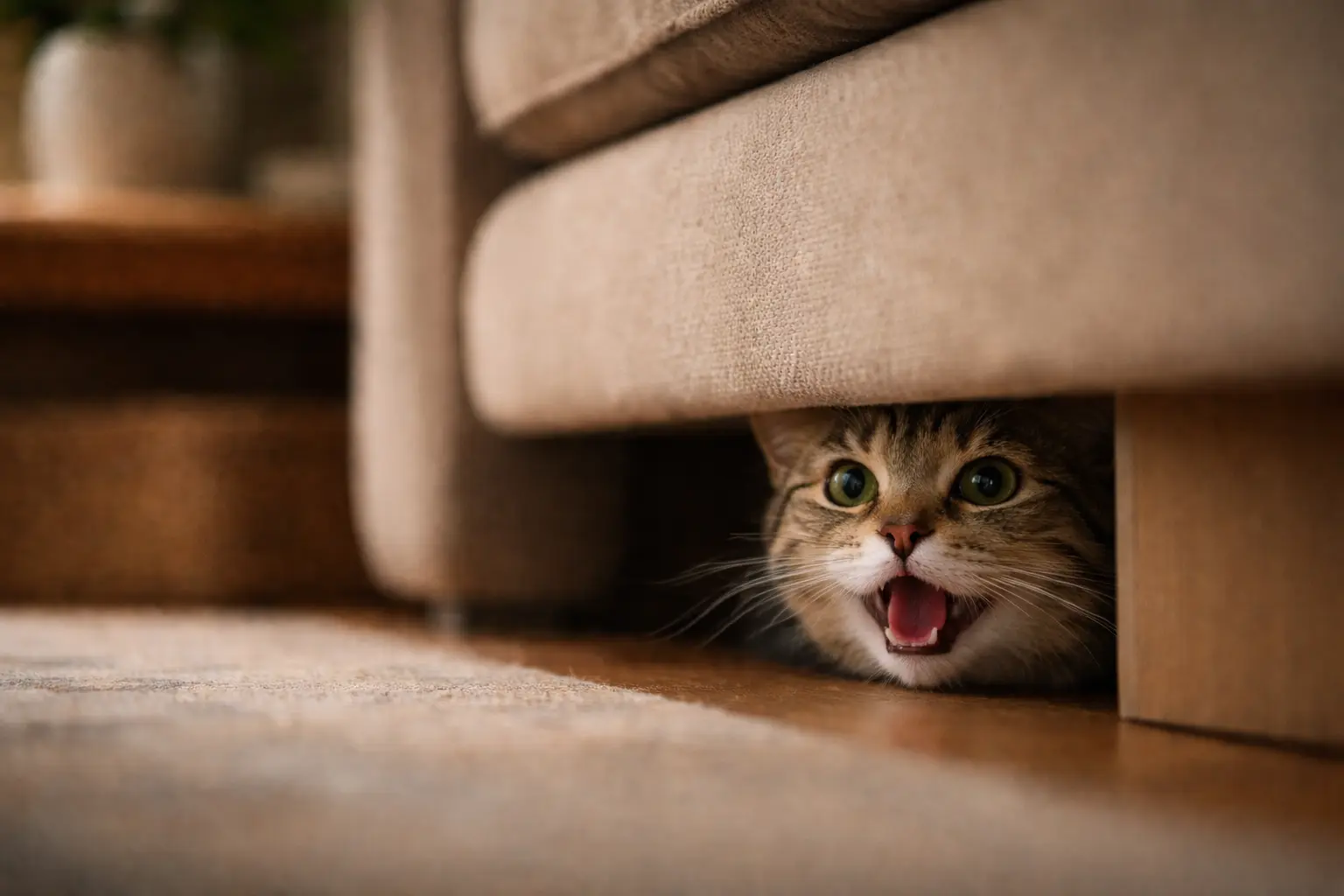
Cats are masters at hiding their feelings, but you can still spot the signs of an anxious kitty. Look out for behaviors like excessive meowing, hiding, inappropriate litter box use, or sudden aggression. If your cat starts grooming excessively or has an appetite that goes on a hunger strike, it might be time to check in on their mental well-being. Remember, you know your cat best—if something seems off, it probably is!
Common Triggers for Cat Anxiety
Now, let’s talk about what sends your feline into a tailspin. Common triggers can include moving houses, changes in routine, loud noises (hello, vacuum cleaner!), or the presence of unfamiliar guests—because who can blame them for being skeptical of your questionable friends? Even the neighbor’s yappy dog can send shockwaves through your cat’s zen. Keeping track of these stressors is crucial for a happier home.
Preparing Your Cat for Your Absence
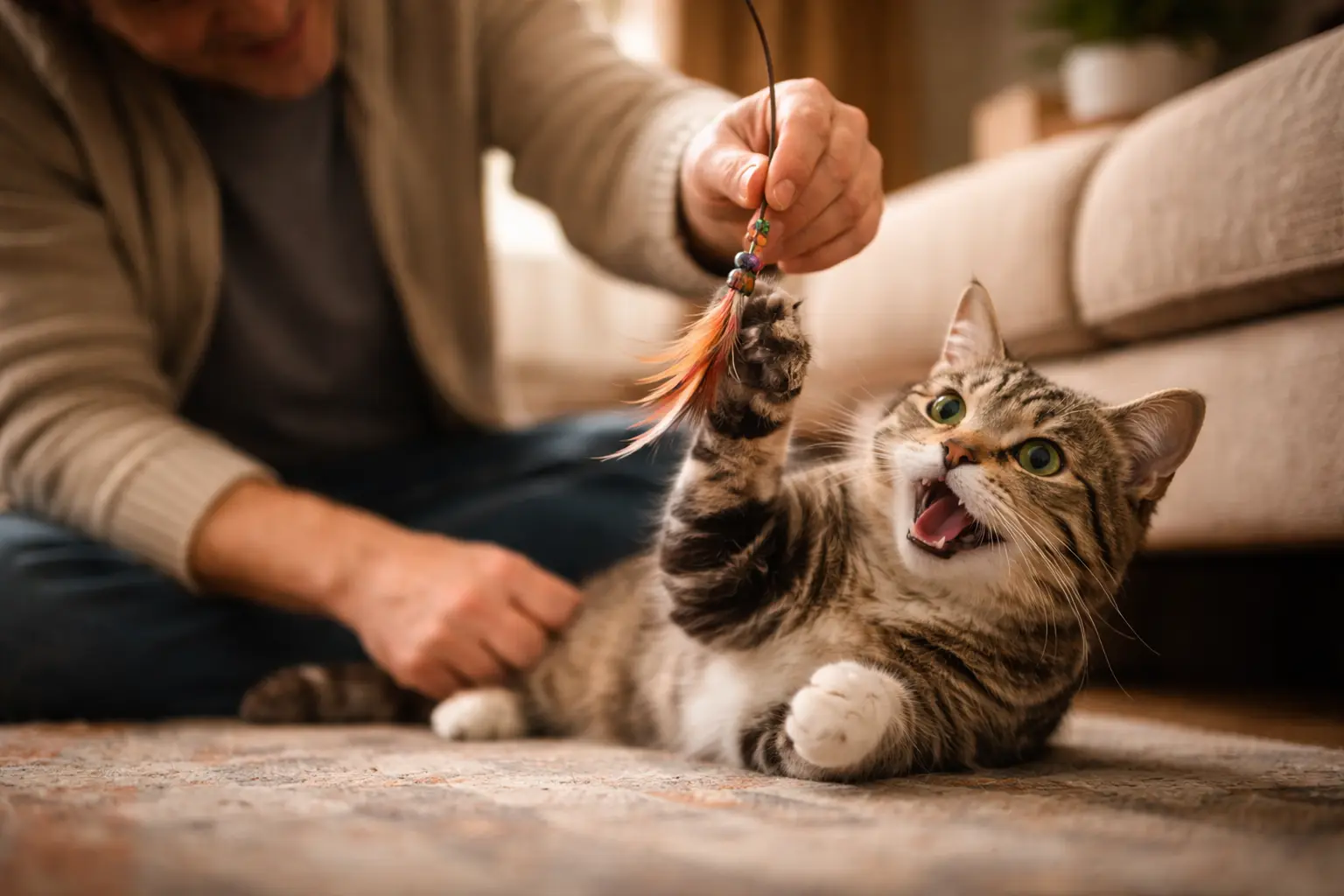
Just like you wouldn’t jump off a cliff without a parachute, you shouldn’t leave your cat unprepared for your absence. The key is to ease them into the idea that you’ll be gone, but you’ll always come back (promise!).
Gradual Acclimatization
To help your kitty get used to your impending absence, start by practicing short separations. Leave the room for a few minutes and gradually increase that time. Think of it as cat-calibration—tune them to your outings so they don’t panic every time you grab your keys. This way, they’ll learn that you’ll return, and the world doesn’t end when you leave the room.
Trial Runs of Short Departures
Once your furry friend shows signs of being cool with mini-absences, it’s time for some trial runs. Pop out for a quick grocery run or a stroll around the block. This isn’t just to grab snacks; it’s a strategy to reassure your feline that “Hey, I’m leaving, but I’ll be back before you can finish that sunbeam nap!” If they handle each departure like a champ, they’ll be better equipped for the longer absences.
Creating a Safe and Comfortable Environment
Your home may be a cozy sanctuary for you, but is it the same for your anxious cat? Let’s roll up our sleeves and create a space that feels like their personal paradise.
Designating a Safe Space
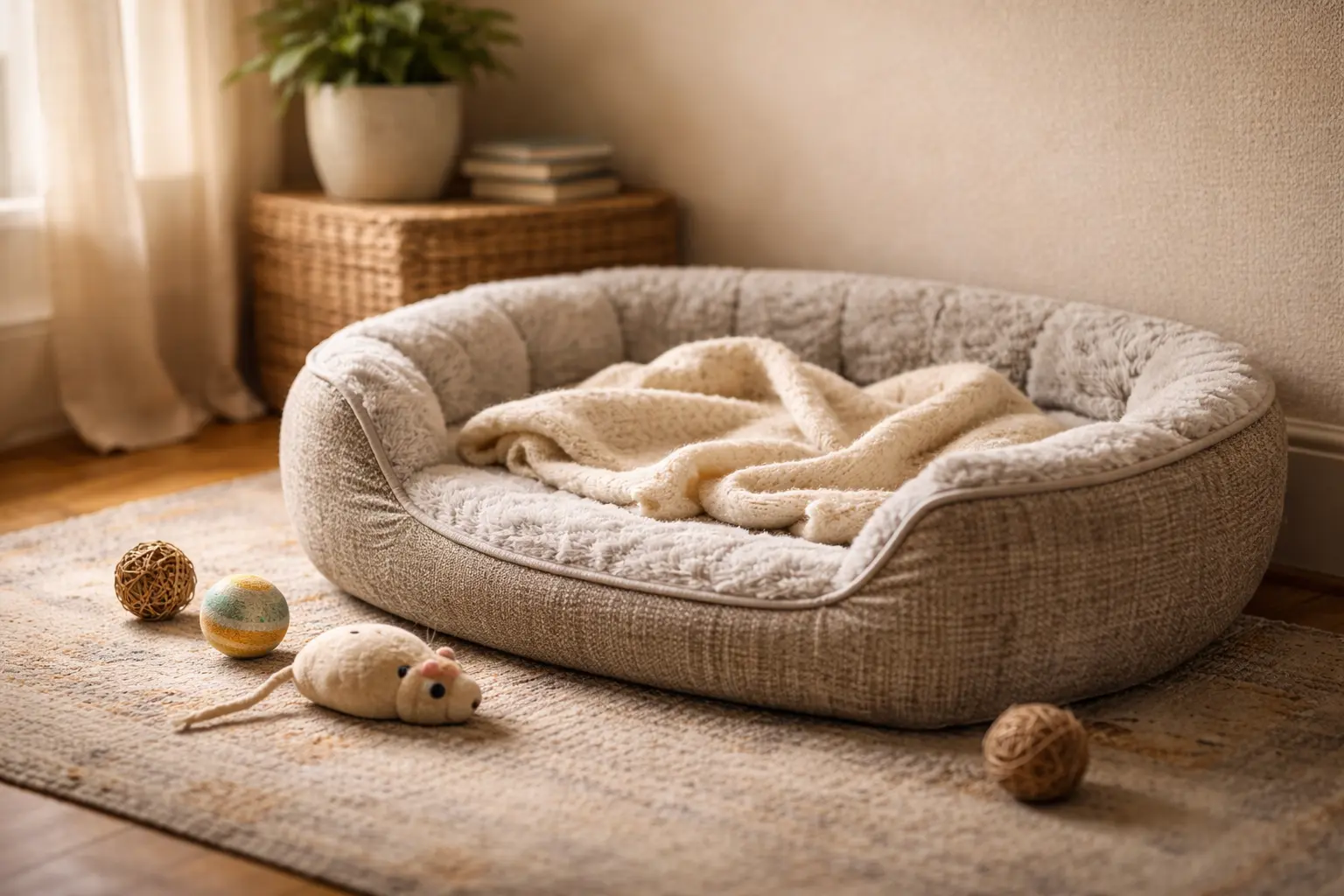
Start by setting up a designated safe space—a cozy nook that’s just for them. This could be a quiet corner with their favorite blanket, toys, and perhaps a cute little cat bed that they can claim as their fortress of solitude. Cats love to feel secure, so ensure this space is away from foot traffic and loud noises, offering them a refuge when the world feels overwhelming.
Providing Enrichment and Stimulation
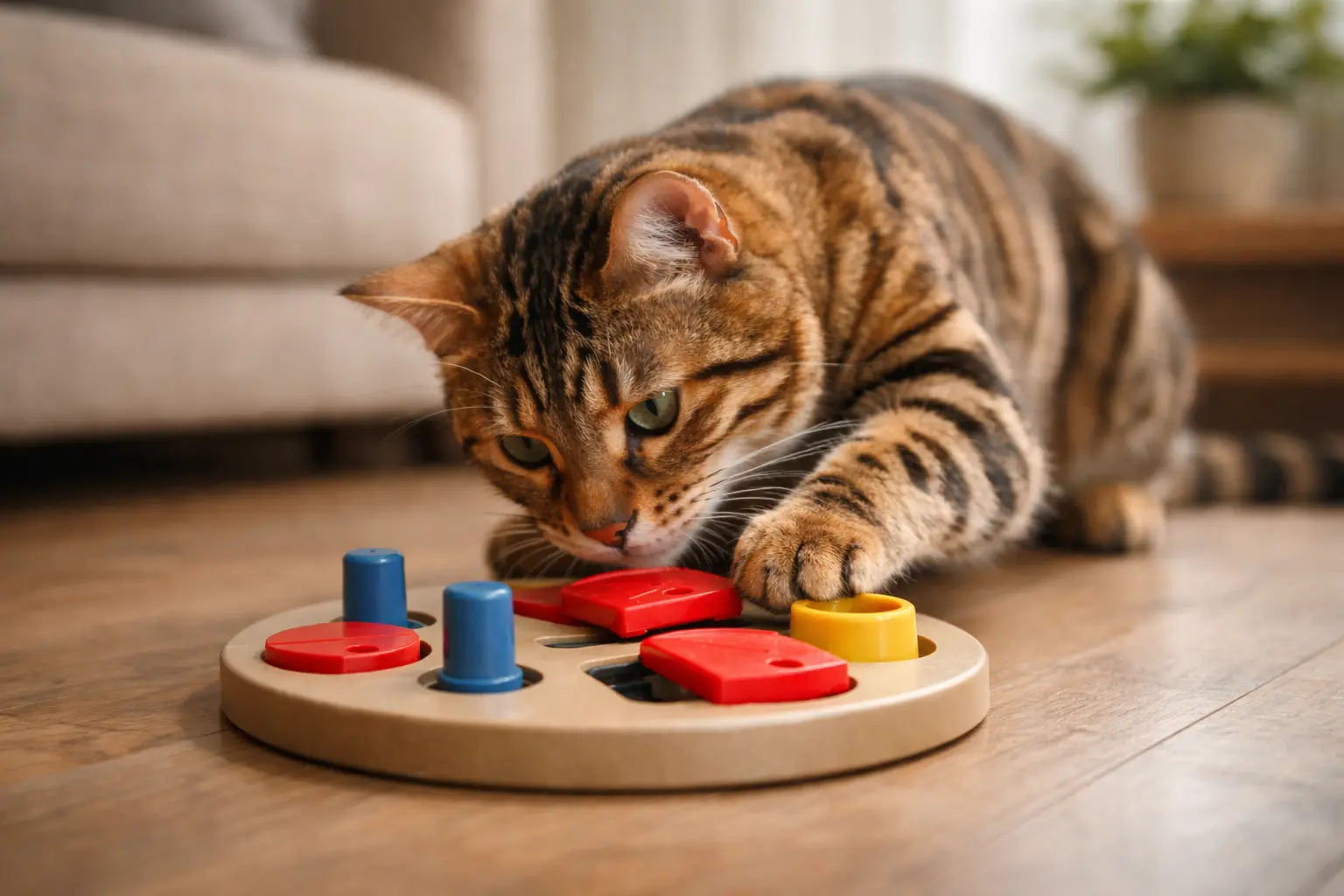
A bored cat is a recipe for anxiety. Make sure your kitty has plenty of enrichment to keep their little brain busy while you’re away. Puzzle feeders, interactive toys, or even a window perch for bird-watching can do wonders! Consider rotating toys regularly as well; it's like giving them new “catflix” shows to binge while you’re out. A happy, stimulated cat is less likely to fall into the anxious abyss.
Using Calming Aids and Products

Sometimes, a little extra help is needed to soothe our furry companions. Luckily, there’s a smorgasbord of calming aids available to keep your cat chill while you’re off living your best life.
Calming Treats and Supplements
Treats that double as a serenity solution? Yes, please! Look for calming treats or natural supplements that are specifically formulated to reduce anxiety in cats. Ingredients like chamomile or valerian root can help take off the edge. Just remember to read the labels and consult with your vet—because while you might be able to snack on anything, our little furballs have different needs!
Pheromone Diffusers and Sprays
If you haven’t met pheromones yet, you’re in for a treat! These magical little molecules mimic the calming scents that mother cats produce to soothe their kittens. Consider investing in a pheromone diffuser or spray to create a harmonious atmosphere in your home. It’s like a spa day for your cat, helping them relax and feel secure even when you’re not around. Who knew aromatherapy could be so effective for your feline friend?
Establishing a Routine for Your Cat
Feeding and Playtime Schedules
Cats thrive on consistency, much like your Aunt Mabel thrives on her Tuesday bingo nights. Establishing set feeding and play schedules can give your kitty a sense of security. Try to feed them at the same time each day, followed by a fun play session to expend their energy. This routine will make your cat feel more at ease when you leave, knowing that their dinner and playtime are on the horizon, even if you’re not there to dish it out.
Consistent Departure and Arrival Practices
Just like a good sitcom, cats appreciate predictability. Develop a standard ritual for when you leave and return home. Whether it’s a quick scratch behind the ears or a tender goodbye wave, doing the same thing every time signals to your cat that you’ll be back. Consistency will help your feline feel less anxious during your absence and more confident that you're just a visit to the fridge away!
Engaging Your Cat's Senses Before Leaving
Interactive Toys and Puzzles
Why leave your cat staring at the wall when you can provide them with a mental buffet? Interactive toys and puzzles can keep their little minds engaged while you’re out conquering the world (or just grabbing coffee). Toys that dispense treats or require problem-solving can keep your kitty entertained and distracted, reducing their anxiety levels. Just make sure to choose ones that don’t require advanced calculus!
Scent Enrichment Techniques
Cats have a built-in, super-sensitive olfactory system that can turn everyday smells into a spa day. Before you leave, try sprinkling a little catnip or leaving an old T-shirt with your scent behind. The familiar smell reassures them that you’re still close by. Just ensure it’s not your favorite shirt—nobody wants to come home to a shredded wardrobe!
When to Consult a Veterinarian
Recognizing Severe Anxiety Symptoms
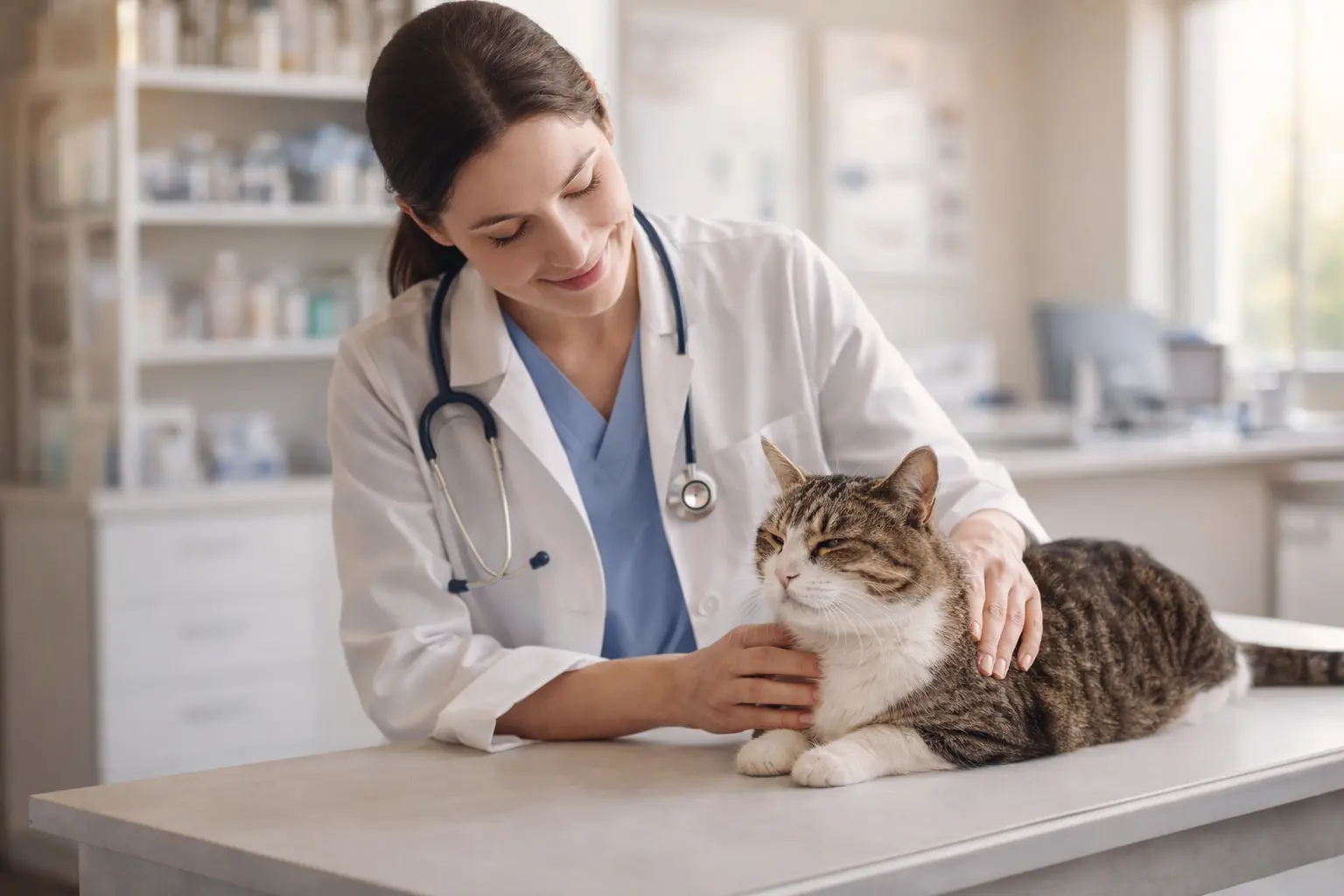
Sometimes, a cat’s anxious antics can veer into downright distressing territory. If you notice excessive hiding, destructive behavior, or a sudden change in appetite, it might be time to call in the professionals. Severe anxiety can manifest in various ways—like rapidly scratching your couch (which is not a good way to win homeowner of the month). A vet can help you determine whether your cat is simply a drama queen or genuinely needs some assistance.
Potential Medical Interventions
If your furry friend’s anxiety levels are reaching new heights (like when they see the vacuum cleaner), it might be time to discuss potential medical interventions with your vet. Sometimes, a little extra help in the form of medication or calming supplements can work wonders. It’s like adding a calming playlist to your hectic day—sometimes, we all need a little extra zen!
Tips for a Smooth Return Home
Reassuring Your Cat After Your Absence
When you finally return home, it’s time to make a grand entrance—just without the confetti. Approach your cat calmly and give them space to come to you. A soft voice, gentle pats, and maybe even a treat can help ease them back into the swing of things. Cats may act aloof, but deep down, they’re just little fluffballs of love waiting for you to notice them again.
Monitoring Behavior Post-Return
Once you’ve reunited, keep an eye on your feline friend. Are they back to their quirky selves or still a little off? Monitoring their behavior can help you gauge whether your strategies for calming their anxiety are working. If they’re still acting like a furry stress ball, don’t hesitate to revisit the vet for further advice. Your goal? Transforming them back into the carefree kitty who only stresses about whether the sunbeam on the floor will move!By taking the time to understand your cat's anxiety and implementing the strategies outlined in this article, you can help create a more peaceful environment for both you and your feline companion. Remember that each cat is unique, so it may take some trial and error to find the best approach for your pet. With patience and care, you can ease your cat's anxiety and ensure they feel safe and loved, even when you're away.
FAQs
1. How long does it take for a cat to adjust to being alone?
Most cats can take a few days to a couple of weeks to adjust to being alone, depending on their personality and previous experiences. Gradual exposure and consistent routines can help speed up this adjustment period.
2. Are there any specific signs that indicate my cat is too anxious?
Yes, common signs of anxiety in cats include excessive meowing, hiding, destructive behavior, litter box issues, and changes in appetite. If you notice persistent or severe symptoms, it may be time to consult a veterinarian.
3. Can I use medication to help calm my anxious cat?
In some cases, veterinarians may prescribe medication to help manage severe anxiety. However, it's essential to discuss any concerns with your vet before considering this option, as they can recommend the most appropriate solution for your cat.
4. What are the benefits of using calming products for my cat?
Calming products, such as pheromone diffusers and treats, can help reduce stress and anxiety levels in cats. These products work by promoting relaxation and creating a sense of security, making it easier for your cat to cope with being alone.