How to Treat Cat Constipation at Home: Safe Remedies and Prevention Tips
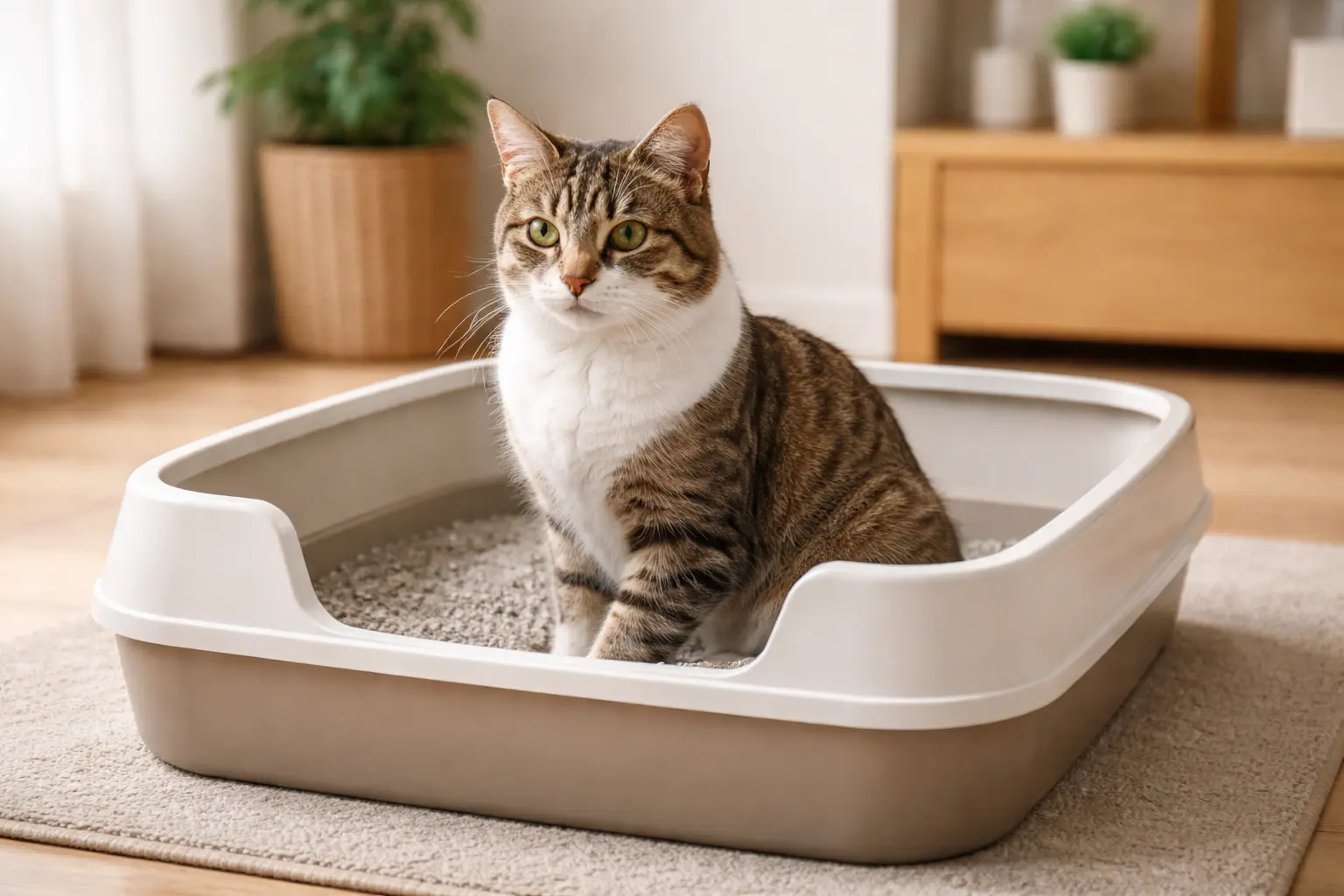
Cat constipation is a common but often uncomfortable condition that can affect your cat’s health and quality of life. When bowel movements become infrequent or difficult, cats may experience pain, loss of appetite, and behavioral changes. Understanding the causes, recognizing the symptoms early, and applying safe home remedies can help relieve constipation and prevent future digestive problems.
In this guide, you’ll learn how to safely treat cat constipation at home, improve digestion through diet and hydration, and know when veterinary care is necessary.
Understanding Cat Constipation: Causes and Symptoms
Common Causes of Constipation in Cats
Constipation in cats can occur for several reasons, including:
Dehydration
Low-fiber diet
Lack of physical activity
Hairballs
Stress or environmental changes
Certain medications
Medical conditions such as arthritis, kidney disease, or hypothyroidism
Cats that are overweight, older, or less active are at higher risk of developing constipation.
Signs of Constipation in Cats
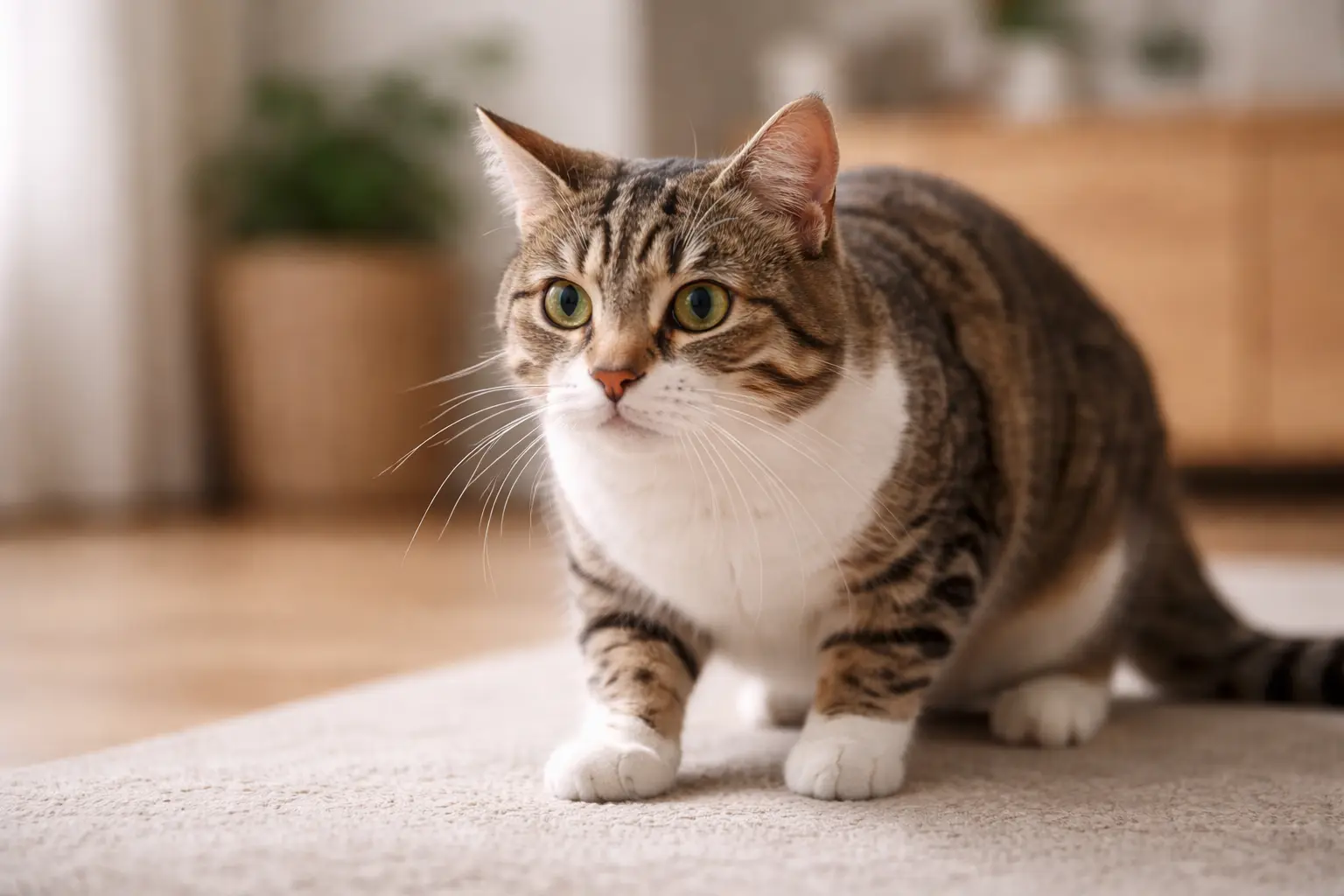
Common symptoms include:
Straining in the litter box
Hard, dry stools
Infrequent bowel movements
Crying or discomfort while defecating
Reduced appetite
Lethargy or hiding behavior
If constipation lasts more than 24–48 hours, it should not be ignored.
Safe Home Remedies for Cat Constipation
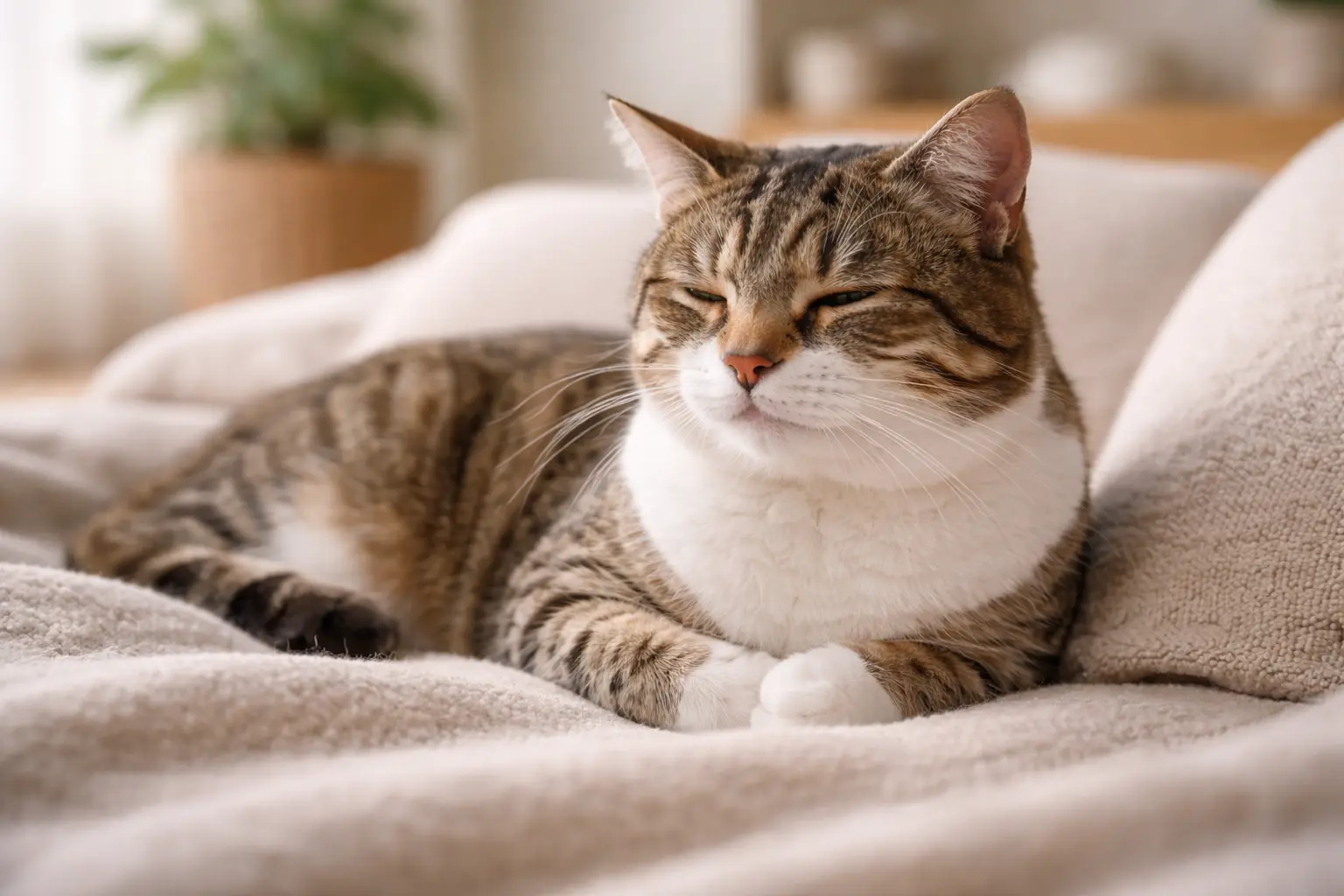
Gentle Abdominal Massage
Light, gentle belly massages may help stimulate bowel movement in mildly constipated cats. Use slow circular motions and stop if your cat appears uncomfortable.
Vet-Approved Laxatives (With Caution)
Only use laxatives approved by a veterinarian. Products such as lactulose may be prescribed to soften stool, but incorrect use can worsen constipation or cause dehydration.
⚠ Never give human laxatives to cats.
Warm Compress or Calm Environment
Reducing stress and providing warmth may help relax abdominal muscles. While baths are not always suitable for cats, a warm, calm environment can support comfort.
Dietary Changes to Improve Digestive Health
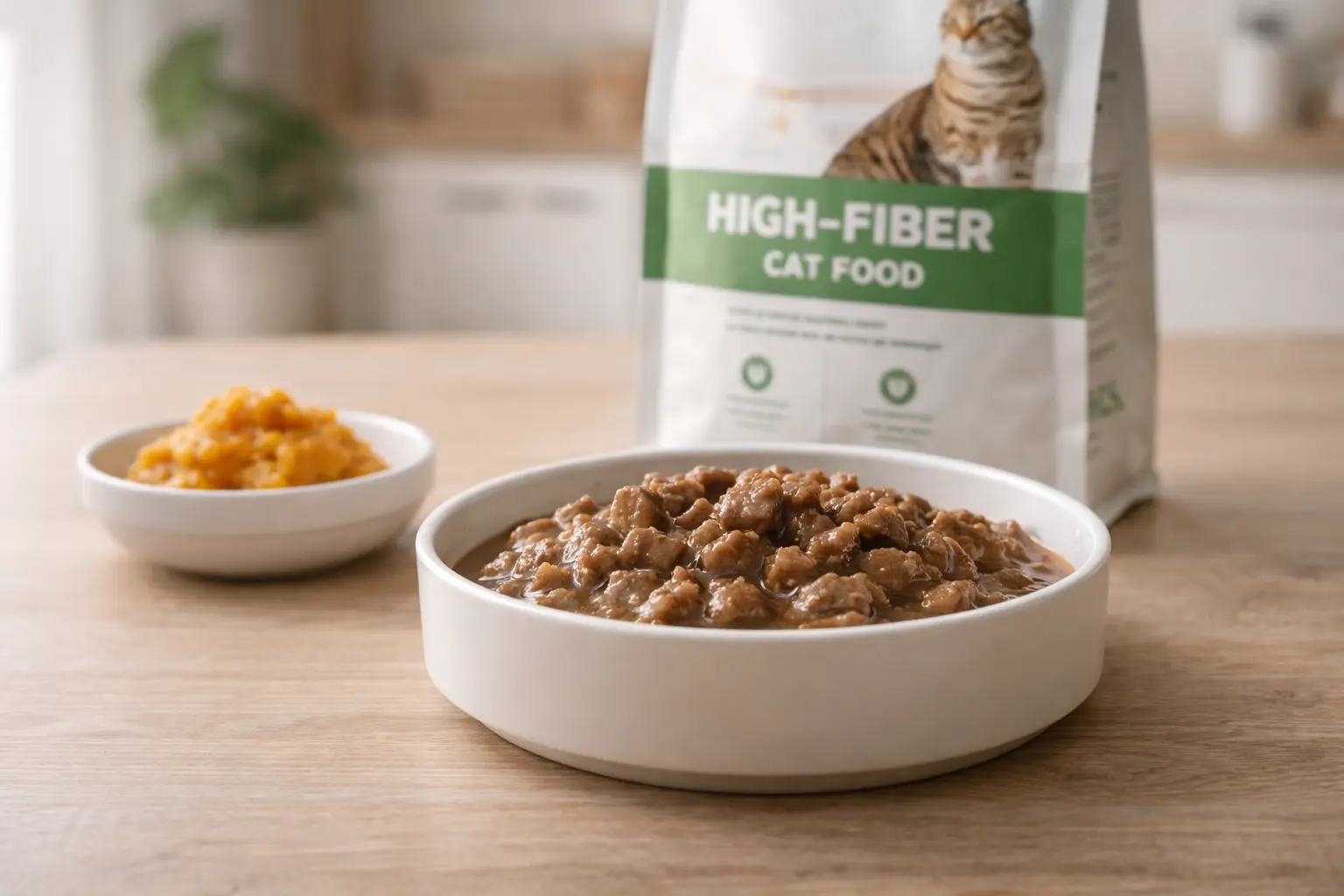
Increase Fiber Intake
Safe fiber sources include:
Plain canned pumpkin (small amounts)
Psyllium husk (vet-approved)
High-fiber commercial cat food
Introduce fiber gradually to avoid digestive upset.
Add Wet Food to the Diet
Wet food increases moisture intake and helps soften stools. Feeding a combination of wet and dry food is often ideal for digestive health.
Safe Supplements and Vegetables
Some cats may benefit from:
Probiotics designed for cats
Small amounts of cooked carrots or green beans
Always consult your veterinarian before introducing supplements.
Hydration: A Key Factor in Preventing Constipation
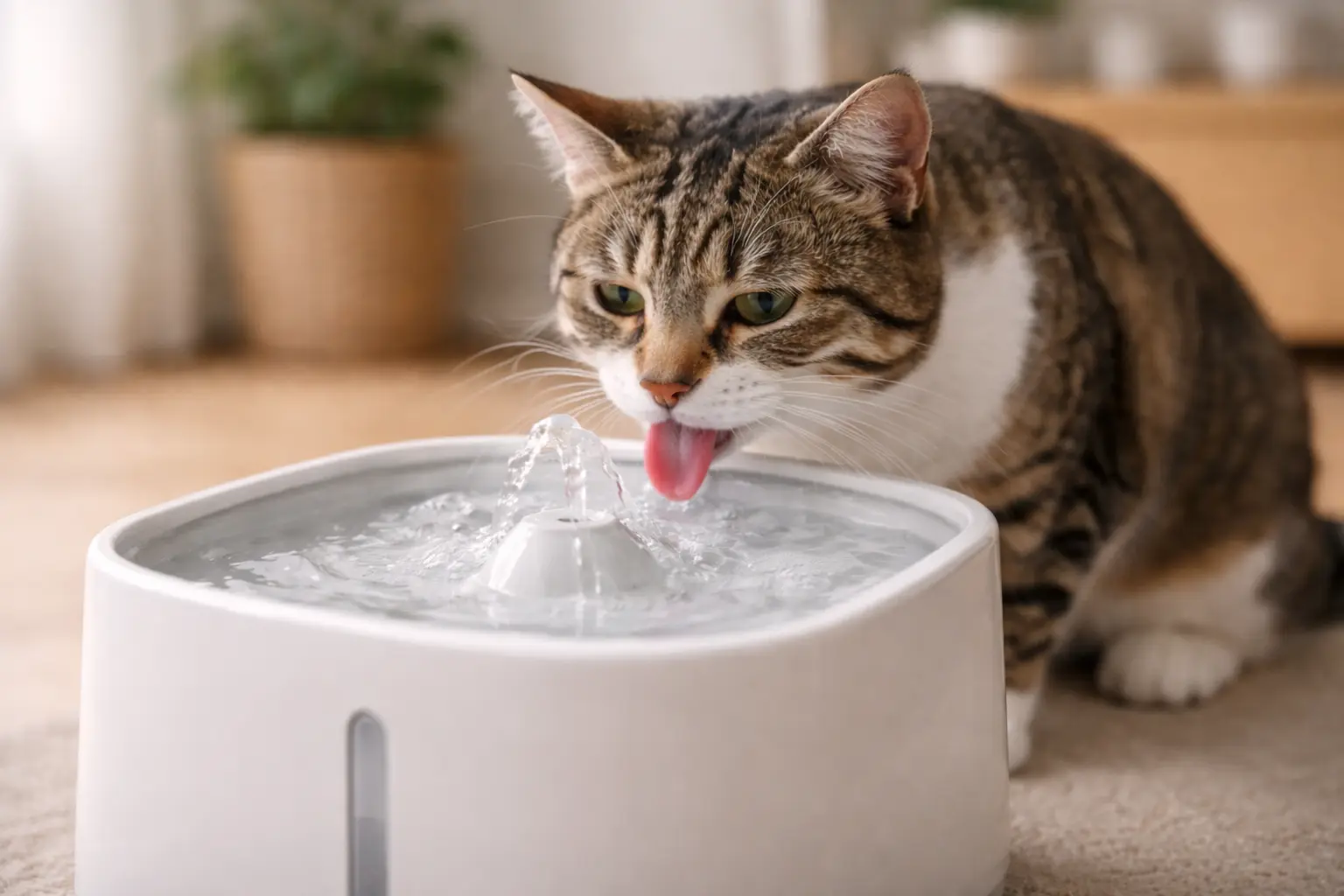
Encourage Water Intake
Provide fresh water daily
Use cat water fountains
Add water or low-sodium broth to food
Proper hydration is essential for regular bowel movements.
Over-the-Counter Solutions: What Is Safe?
Probiotics
Probiotics help maintain healthy gut bacteria and may reduce constipation frequency.
Common Mistakes to Avoid
Overusing laxatives
Using human medications
Ignoring long-term constipation
OTC solutions should only be short-term and vet-approved.
When to See a Veterinarian
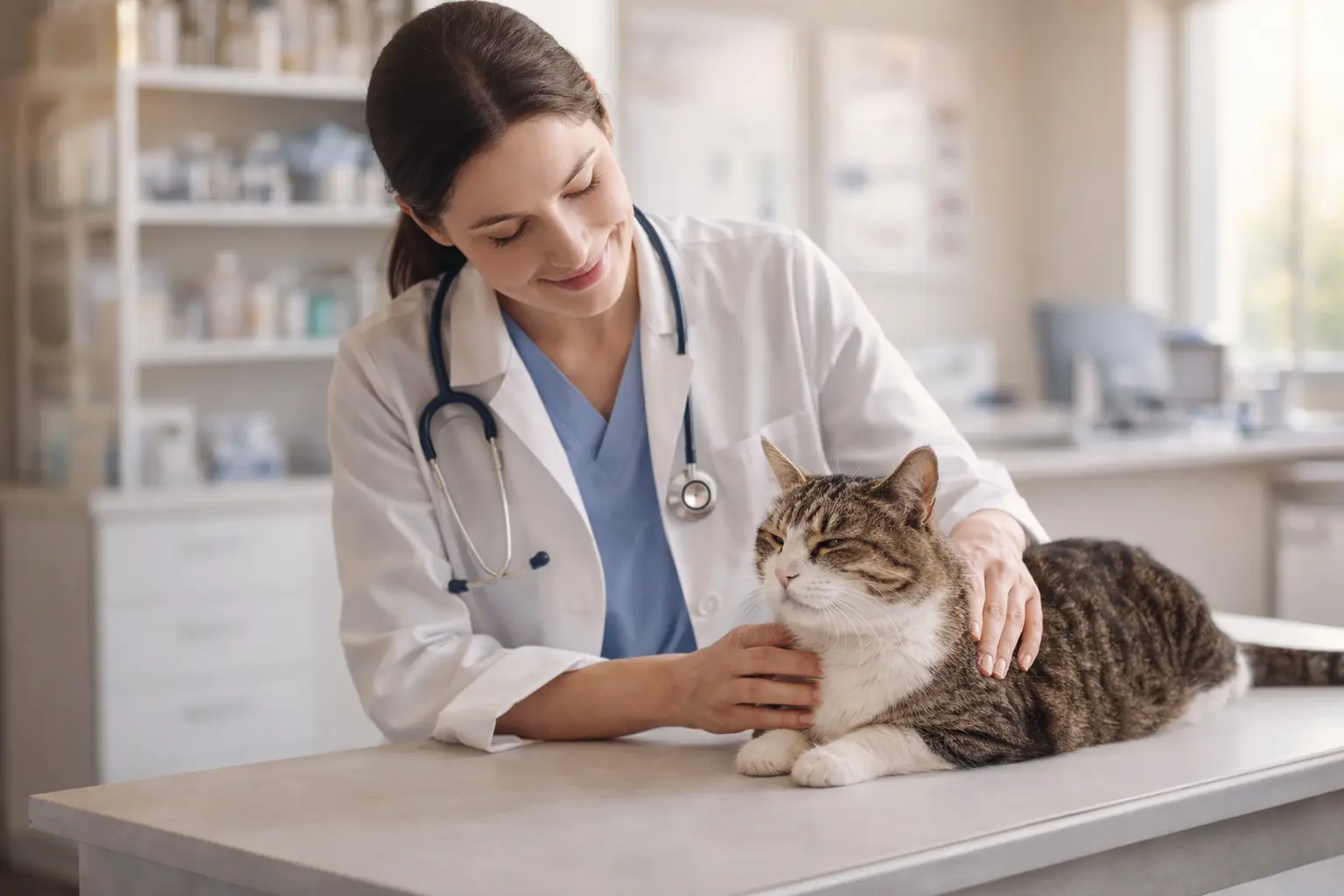
Seek veterinary care immediately if your cat:
Has not defecated for more than 48 hours
Is vomiting
Refuses food
Appears lethargic or in pain
Chronic constipation can lead to serious conditions such as megacolon.
Preventing Constipation Long-Term
Maintain a consistent feeding schedule
Encourage daily play and exercise
Schedule regular veterinary check-ups
Monitor litter box habits closely
Conclusion
Cat constipation can often be managed at home with proper diet, hydration, and safe remedies. Early detection and consistent care play a vital role in maintaining your cat’s digestive health. If symptoms persist or worsen, veterinary guidance is essential to prevent complications and ensure your cat’s comfort and well-being.
Frequently Asked Questions (FAQs)
- How can I tell if my cat is constipated?
Straining, hard stools, and infrequent bowel movements are common signs.
- Are natural remedies safe for cats?
Some, like pumpkin and increased hydration, can help, but always consult your vet.
- How can I prevent constipation?
Balanced diet, hydration, exercise, and routine vet visits are key.
- When is constipation an emergency?
If your cat hasn’t pooped for over 48 hours or shows severe symptoms, see a vet immediately.