Intestinal worms are a common health concern for cats, affecting their overall well-being and quality of life. These parasites can lead to a range of symptoms, from mild discomfort to serious health issues if left untreated. As a responsible pet owner, it is crucial to understand the different types of intestinal worms, their symptoms, and effective treatment options. This article will provide a comprehensive overview of intestinal worms in cats, including preventative measures you can take to protect your feline friend and when it’s time to consult a veterinarian.
Understanding Intestinal Worms in Cats
What Are Intestinal Worms?
Intestinal worms are pesky little parasites that set up camp in your cat's digestive tract. They feast on nutrients intended for your feline friend and can cause a variety of health issues. Common types include roundworms, hookworms, tapeworms, and whipworms—think of them as the uninvited guests that refuse to leave.
Life Cycle of Intestinal Worms
The life cycle of intestinal worms is like a horror movie that keeps getting sequels. It typically starts when a cat swallows worm eggs or larval forms. These little critters hatch, mature, and multiply in the intestines, laying more eggs that exit with your cat's poop. And guess what? These eggs can survive in the environment for months, waiting for the next unsuspecting cat (or human) to come along. It's the never-ending story of wormhood!
Common Types of Intestinal Worms
Roundworms
Roundworms are the most common culprits and can grow up to 7 inches long. They’re often found in kittens but can hitch a ride on any cat. Symptoms might include a bloated belly or a voracious appetite that seems never satisfied.
Hookworms
These sneaky little vampires latch onto the intestinal wall and suck your cat's blood—yikes! Hookworms are smaller but can cause serious anemia and other health issues. Just think of them as the bloodsucking villains of the cat world.
Tapeworms
If you've ever seen little rice-like segments in your cat's fur or litter box, congratulations, you’ve found tapeworms! These flatworms are often acquired by eating infected fleas, making them the ultimate "you are what you eat" parasite.
Whipworms
While less common in cats than in dogs, whipworms are still a possibility. They’re named for their whip-like shape and can cause digestive issues. Think of them as the gymnasts of the worm world—flexible and sneaky!
Symptoms of Worm Infestation
Physical Signs
Physical signs can include weight loss despite a good appetite, lethargy, vomiting, diarrhea, or even a bloated abdomen. You might also spot worms in your cat's feces or vomit, which is a pretty clear sign that something’s not right.
Behavioral Changes
Worms can make your cat feel downright crummy, leading to changes in behavior. If your usually playful furball becomes a couch potato or is unusually irritable, it’s time to investigate further. It’s like a cat version of “Something is definitely off.”
When to Be Concerned
If you notice any of the above symptoms, especially paired with weight loss or a bloated belly, it’s wise to reach out to your vet. While some worm infestations can be managed easily, others may require immediate medical attention. Don’t wait—your feline friend deserves to feel their best!
Diagnosis and Testing for Worms
Veterinary Examination
The first step to tackling intestinal worms is a thorough veterinary examination. Your vet will ask about symptoms, diet, and lifestyle (like whether your cat is a dedicated hunter). They may also check for any visible worms or signs of weight loss.
Testing Methods
To confirm a diagnosis, your vet will likely recommend a fecal test. This involves analyzing a stool sample for worm eggs—think of it as a not-so-glamorous treasure hunt. Multiple tests may be needed since not all worms lay eggs every day.
Imaging Techniques
In more severe cases, your vet might suggest imaging techniques like X-rays or ultrasounds to check for complications. This helps determine if worms are causing any blockages or severe internal damage. Basically, it’s the vet’s version of looking under the hood to see what’s going on inside!
Treatment Options for Infested Cats
Medications and Dewormers
When it comes to treating intestinal worms, medications are your cat's best friend (after, you know, you). Your veterinarian will likely recommend specific dewormers based on the type of worm—think praziquantel for tapeworms or pyrantel pamoate for roundworms. These treatments are often effective and can be administered in various forms: pills, liquids, or even tasty treats that your cat will gobble down without a second thought. Pro tip: Keep the treats nearby for a post-medication rewards session!
Home Remedies: What Works and What Doesn't
While the internet is brimming with home remedies that promise to vanquish those pesky worms, it's best to proceed with caution. Garlic? Probably not. Pumpkin seeds? Maybe some minor benefits, but they won't replace a vet-prescribed dewormer. If you’re looking for something to do DIY-style, perhaps try creating a “no worms allowed” sign instead. Stick with proven vet options for best results; your cat will thank you for it!
Follow-Up Care
After your cat has been treated, don't just sit back and relax—well, you can, but not without a plan! Schedule a follow-up appointment with your vet to ensure the worms are gone for good. They may recommend a fecal examination to check for any remaining parasites. During this time, be sure to keep an eye on your cat’s health and behavior. If they’re still acting like they just emerged from a wormy wormfest, it’s time to check back in with the vet.
Preventative Measures to Avoid Worms
Regular Veterinary Check-Ups
Prevention is key in the battle against worms! Regular vet visits are essential for spotting any early signs of infestation before they turn into a full-blown party in your cat's intestines. Having routine fecal tests done can catch those sneaky worms hiding out, ensuring your feline stays worm-free and fabulous. Your vet will thank you for being so proactive!
Maintaining Clean Environments
Keeping your cat’s environment clean is like cleaning the playground before the kids arrive—necessary! Regularly scoop that litter box and dispose of waste promptly. If your cat roams outside, keep an eye on where they’re exploring. Avoid areas with potential contamination, like places where other animals may leave behind tasty treats (aka worm eggs). A tidy home equals a happier (and healthier) furball!
Controlling Fleas and Other Parasites
Fleas may not be worms, but they sure can play a part in your cat’s intestinal escapades. By controlling fleas and other parasites, you lower the risk of your cat becoming an unwitting worm host. Invest in a good flea preventative and vacuum regularly to keep the creepy crawlies at bay. Plus, your cat will appreciate a pest-free living space—trust us, they have their ways of letting you know!
When to Consult a Veterinarian
Signs That Require Immediate Attention
If your cat starts showing signs of worm infestation like weight loss despite a healthy appetite, vomiting, diarrhea, or a suspiciously bloated belly, it might be time to put down the catnip and call your vet. These symptoms can indicate an urgent need for intervention to avoid further health complications. Remember, better safe than sorry—your cat doesn’t have a worm-fighting superhero to rely on!
Frequency of Check-Ups
How often should you visit the vet? Well, just like your favorite sitcoms, it’s best to keep them coming regularly. Kittens and young cats may require more frequent check-ups (think every 6-12 months), while adults can usually get away with annual visits. But if your cat spends more time outside mingling with other animals, consider bumping that frequency up a notch. Catching worms early is always a win!
Myths and Facts About Cat Worms
Common Misconceptions
There are as many myths about cat worms as there are cat videos on the internet. One popular misconception is that only outdoor cats can get worms. Not true! Indoor cats can pick them up too, especially if they have access to contaminated litter or food. Another myth? “Worms are a natural part of life for cats.” Well, yes, but not the kind of ‘natural’ you want to embrace—more like ‘natural disaster’!
Understanding Transmission Risks
Wondering how worms spread? Some types can be transferred through contaminated food, water, or even flea bites—yuck! Others can be transmitted through direct contact with infected animals or their droppings. So if your cat’s been socializing more than you have, make sure to keep an eye out for any potential transmission risks. And remember, washing your hands after handling your furry friend is always a good plan—your cat will thank you later!In conclusion, being informed about intestinal worms in cats is essential for maintaining your pet's health and happiness. Regular veterinary visits, proper sanitation, and prompt treatment can help prevent and manage worm infestations effectively. By staying vigilant and understanding the signs of these parasites, you can ensure a healthier life for your feline companion. Always consult your veterinarian with any concerns or questions to provide the best care possible.
A product that may help you solve the problem
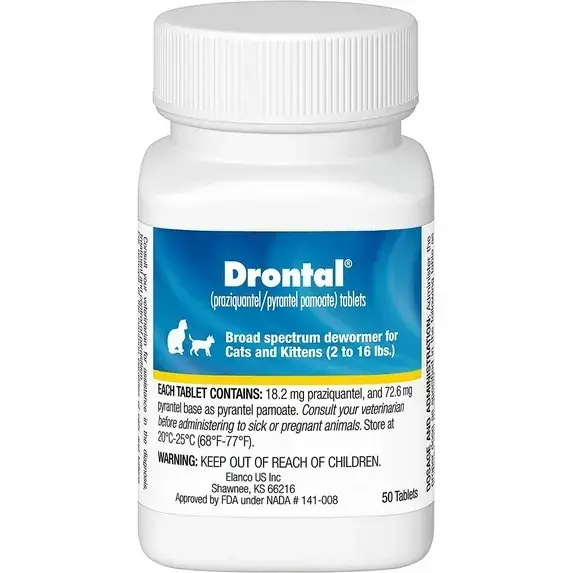
Drontal Tablets for Cats & Kittens, 2-16 lbs
FAQ

1. How do cats get intestinal worms?
Cats can contract intestinal worms through various means, including ingesting contaminated food or water, coming into contact with infected feces, or through fleas that carry tapeworm larvae.
2. Are intestinal worms in cats contagious to humans?
While some types of intestinal worms can be transmitted to humans, the risk is relatively low. Proper hygiene and regular veterinary care can minimize this risk.
3. How often should I deworm my cat?
It is generally recommended to deworm cats at least once a year, but frequency may vary based on lifestyle, age, and risk factors. Consult your veterinarian for personalized advice.
4. Can I use over-the-counter medications for worm treatment?
While some over-the-counter treatments are available, it is best to consult your veterinarian for the most effective and safe treatment tailored to your cat’s specific needs.