Obesity in cats has become a pressing concern among pet owners and veterinarians alike, with a growing number of felines classified as overweight or obese. This condition not only affects a cat's appearance but significantly impacts its overall health and quality of life. Just like in humans, excessive weight can lead to a range of serious health issues, including diabetes, joint problems, and a shorter lifespan. Understanding the causes and consequences of feline obesity is crucial for pet owners seeking to foster the well-being of their companions. This article provides insights into identifying overweight cats, effective management strategies, and long-term solutions to keep our feline friends healthy and active.
Understanding Feline Obesity: Causes and Consequences
Defining Obesity in Cats
Obesity in cats is not just a fluffy cat who loves lounging around on the couch—it’s a serious health concern. It’s typically defined as a cat being at least 20% heavier than its ideal body weight. A little pudge is cute, but when your feline friend resembles a loaf of bread, it’s time to pay attention.
Common Causes of Obesity
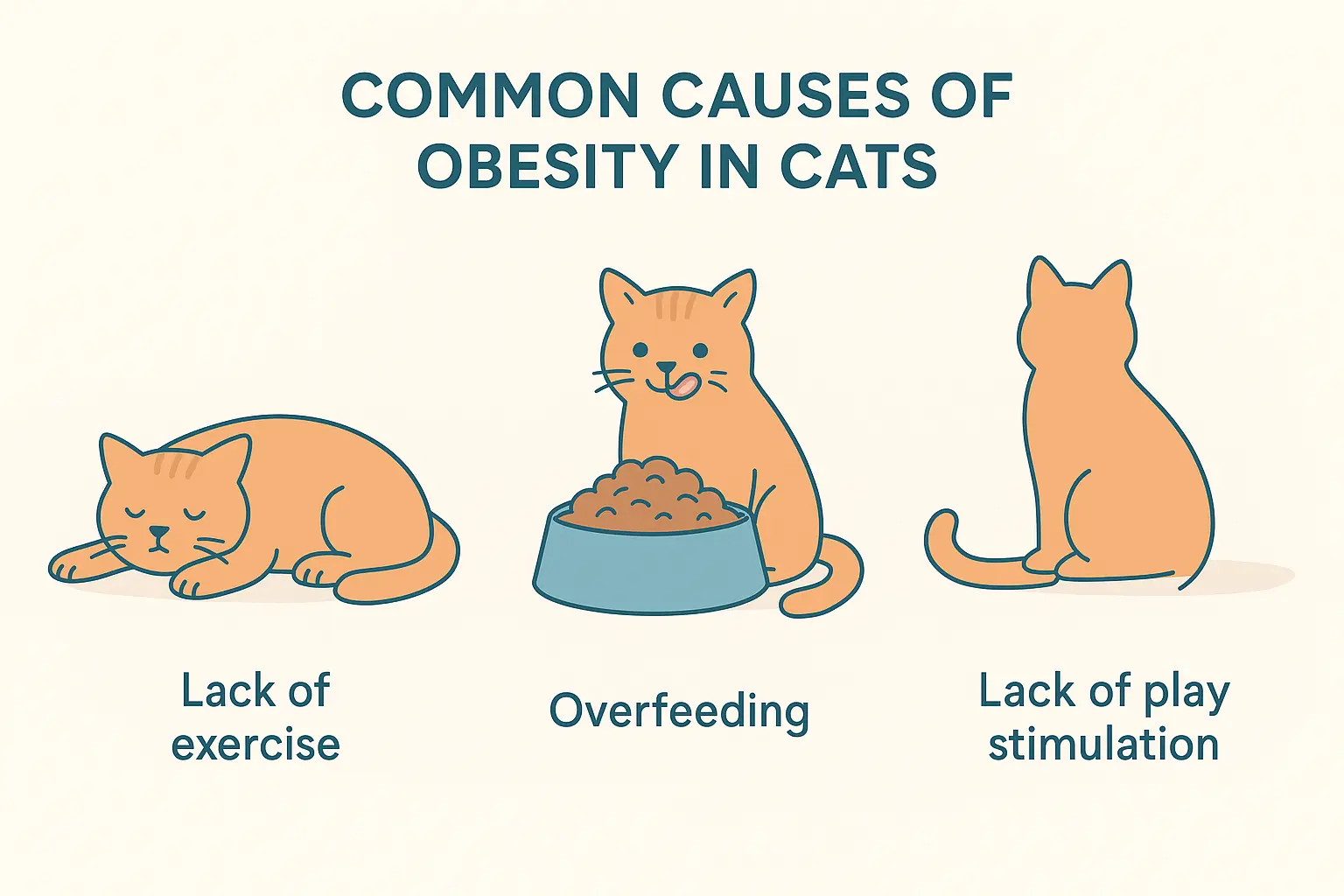
The culprits behind kitty chub can be varied. Some common causes include overfeeding (because who can resist those big, pleading eyes?), lack of exercise (being a professional napper is exhausting, right?), and even genetics (some cats just come from a lineage of fluffiness). Age plays a role too; older cats often become less active. So, if your cat's idea of exercise is stretching out for another catnap, this could be a clue.
Consequences of Obesity on Health
Unfortunately, extra weight can lead to a host of health problems. From diabetes and heart disease to joint pain and a generally less spry demeanor, obesity can take a toll on your cat's life. In short, while they may look adorable, those extra pounds can lead to some serious consequences for their overall well-being.
Identifying an Overweight Cat: Signs and Symptoms
Visual Indicators of Weight Gain
If your cat has that round, barrel-like shape that resembles a furry ball of dough, you’ve got a visual clue. Other signs include an inability to see their waist (if they had one), and a noticeable lack of definition between the ribs and abdomen. And let’s face it, if the collar is starting to resemble a choker, it might be time for a weigh-in.
Behavioral Changes in Overweight Cats
Is Fluffy suddenly less interested in her favorite chase-the-laser-dot games? Has she swapped pouncing for prolonged lounging? These behavioral changes can sometimes indicate that your feline companion is carrying some extra weight. Watch for decreased agility or an increase in crankiness, as it’s hard to be cheerful when you’re feeling heavy!
Using Body Condition Scoring
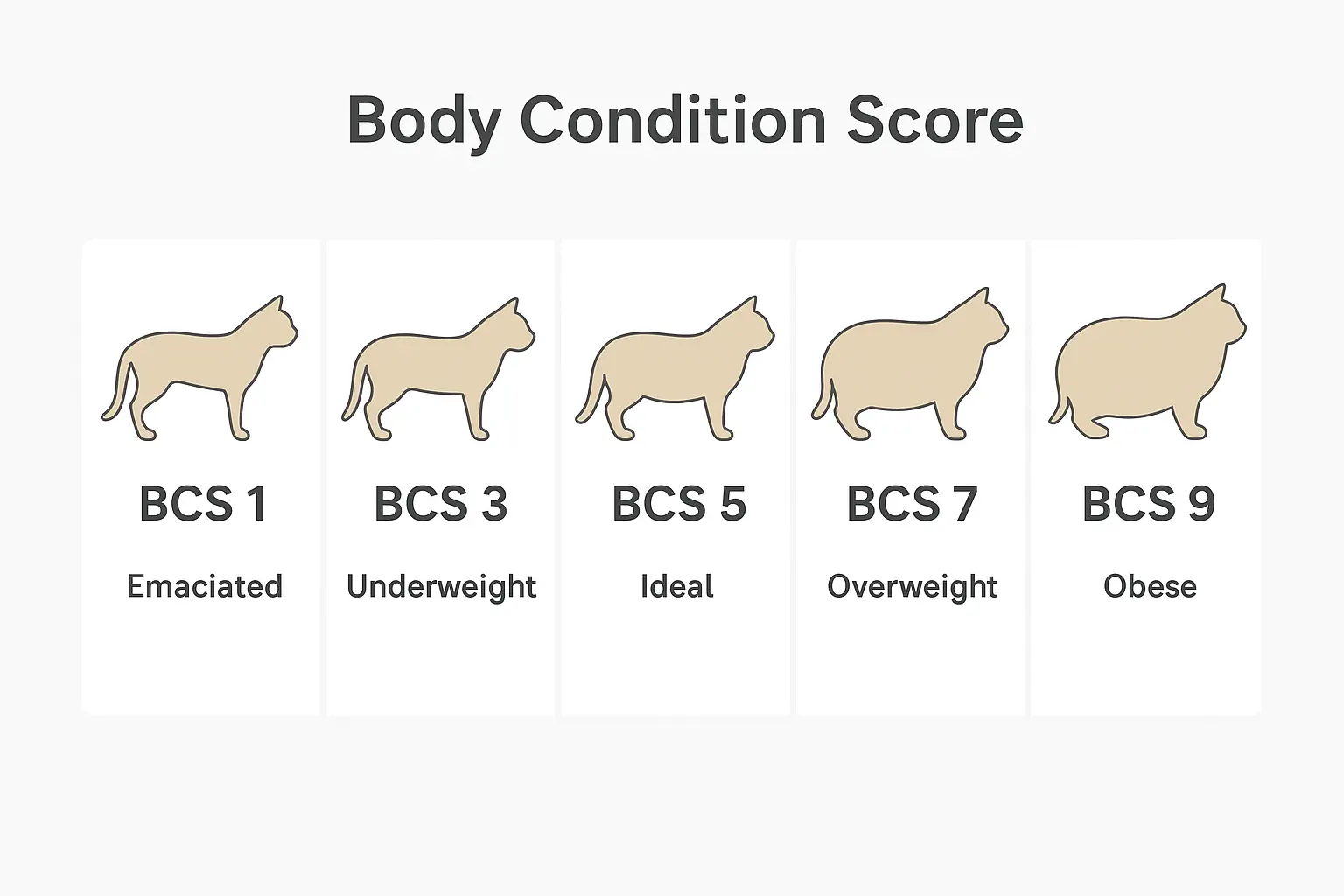
Veterinarians often use a Body Condition Score (BCS) system, which is a fancy way to assess a cat's weight and overall health. This system usually ranges from 1 (emaciated) to 9 (obese). Ideally, your cat should be around a score of 4 or 5, which means they have a nice, trim waist and can feel their ribs without having to perform a full-on surgery.
Health Risks Associated with Obesity in Cats

Diabetes and Metabolic Disorders
Just like in hoomans, obesity can lead to insulin resistance and diabetes in cats. When your fluffy friend is carrying extra weight, it can mess with their metabolism, leading to a slew of health problems. Managing diabetes in a cat is no walk in the park (trust us), so it’s best to nip it in the bud with some proactive weight management.
Joint and Mobility Issues
Extra weight means extra stress on those tiny joints. Cats with obesity may experience arthritis and other mobility issues, limiting their ability to jump, climb, or even groom themselves properly. Say goodbye to the majestic leaps onto high surfaces—your cat may just prefer to waddle there instead.
Impact on Lifespan and Overall Quality of Life
Let’s not sugarcoat it: being overweight can shorten a cat's lifespan. Studies suggest that a healthy weight can add years to a cat’s life, along with improving their overall quality of life. So while your cat may love those extra treats, they’d likely prefer years of comfy naps to a brief feast—give them the gift of health!
Effective Weight Management Strategies for Cats
Setting Realistic Weight Loss Goals
Start small! Aim for your cat to lose about 1% of their body weight per week. Setting overly ambitious goals can lead to frustration (for you and your cat!), so be patient, and remember: slow and steady wins the weight loss race.
Creating a Structured Feeding Schedule
Consistency is key! Set specific meal times and portion control to help keep your kitty from free-feeding all day long. You might try using a puzzle feeder to make mealtime more engaging—a little mental workout can assist in burning off those extra calories!
Monitoring Progress and Adjusting Plans
Regular weigh-ins are crucial for tracking your cat's weight loss journey. If you’re not seeing progress, it might be time to adjust their diet or activity level. Plus, keeping a close eye on your furry friend’s progress provides ample opportunities for treats (just not too many!).
The Role of Diet in Preventing and Treating Obesity
Choosing the Right Cat Food
Selecting the right cat food is like picking out a fine wine for dinner—except it’s your cat’s dinner, and they don’t care about the vintage. Opt for high-protein, low-carbohydrate formulas to keep your feline friend fit. Look for foods labeled “complete and balanced,” as these provide the nutrients they'll need without extra fluff (and by fluff, we mean calories). If you're uncertain, consult with your vet for recommendations that suit your cat’s age, size, and health status—just remember, no “flavored” foods marketed with an enthusiastic cartoon cat on the bag!
Portion Control and Meal Planning
Just because you can’t see your cat’s waistline doesn’t mean you should ignore it! Portion control is key. Follow the feeding guidelines on the cat food package, and avoid the oh-so-tempting “just one more scoop” mentality. Consider meal prepping like you would for yourself (though your cat could probably care less about kale). Set a schedule for meals rather than free-feeding, as it makes it easier to monitor their intake. Think of it as a strict diet, but with less counting calories and more counting purrs!
Understanding Treats and Snacks
Treats can be a slippery slope that leads directly to the kitty wide-load zone. While it’s okay to reward your cat occasionally, make sure these treats are healthy and low in calories. Aim for those made from real meat or fish, and read the labels—no one wants to accidentally reward their cat with a sugar bomb! Get creative and consider using part of their meal as a treat or introducing some fun, low-calorie options like freeze-dried chicken. Your cat will think you’re the best, and you’ll feel like a responsible pet parent!
Incorporating Exercise into Your Cat's Routine
Benefits of Regular Exercise
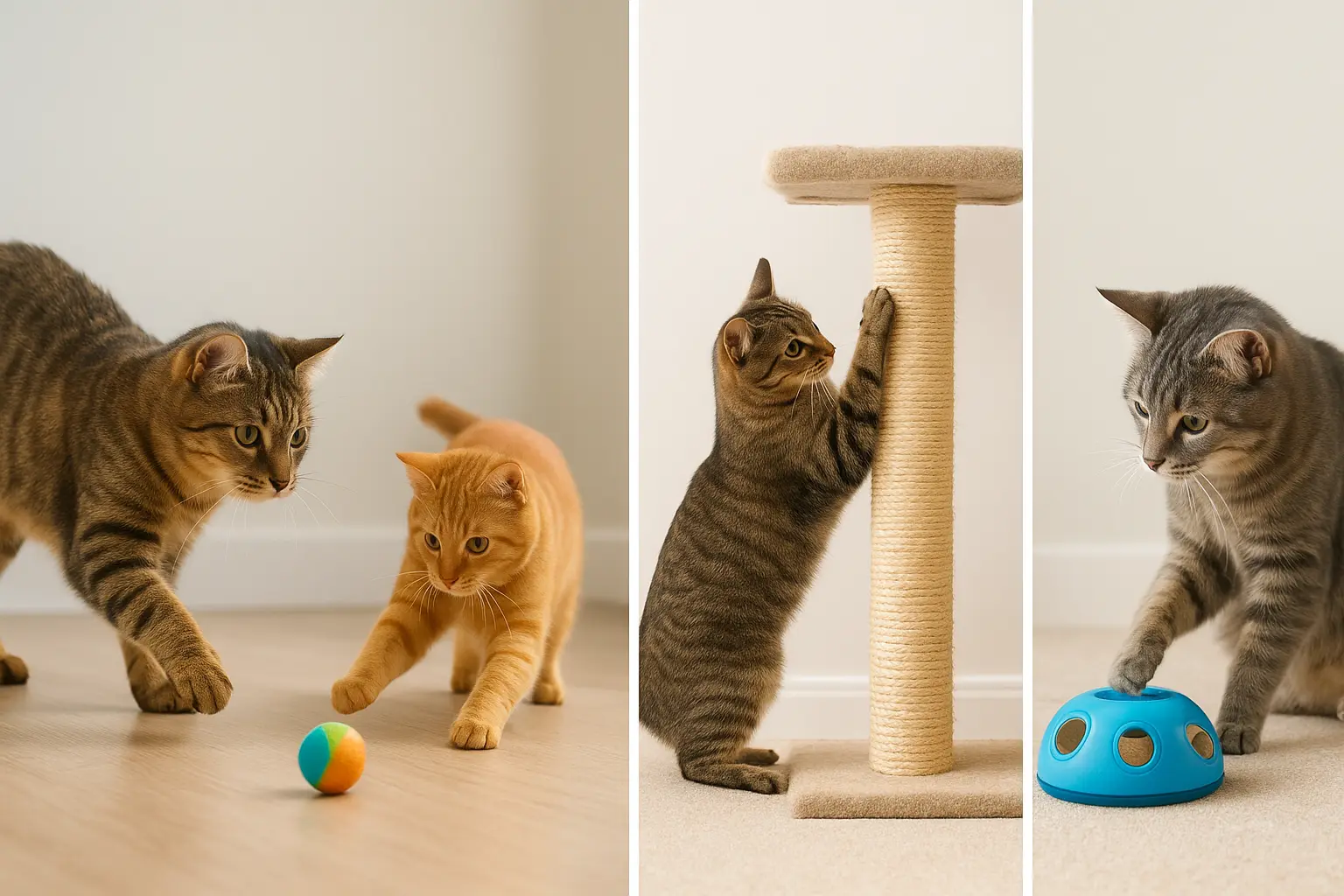
Exercise isn’t just for the gym-obsessed humans; it’s vital for keeping your feline friend trim and happy. Regular physical activity helps maintain a healthy weight, reduces the risk of obesity-related diseases, and can even ward off boredom-induced mayhem. Plus, watching your cat dart around is way more entertaining than a reality TV marathon. A few minutes of playtime a day can lead to a happier, healthier kitty—so grab that feather wand and get moving!
Fun and Engaging Activities for Cats
Your cat may not appreciate a good Netflix binge (unless it’s cat videos), but they will love engaging activities! Try interactive toys, laser pointers, or even setting up an obstacle course with boxes and tunnels. Cats are natural hunters, so activities that mimic chasing prey are catnip (pun intended) to them. Just remember: the goal is to have your cat pouncing and running, not just lounging like a furry loaf. If you ever hear the phrase “we just need a cat door,” remember: those are the famous last words of many cat owners!
Creating a Safe Play Environment
Before you set the stage for kitty adventures, ensure their play area is safe and cat-approved. Remove any sharp objects, cords, or hazardous items that could lead to an unexpected trip to the vet. Think of it as cat-proofing for your very own feline amusement park! Designate a space where they have plenty of room to explore, climb, and play. The more enticing their environment, the more likely they’ll take an interest in exercise—just don’t be surprised if they occasionally act like a diva and ignore the perfectly good toys you set out!
When to Consult a Veterinarian: Professional Guidance
Recognizing When Professional Help is Needed
When it comes to your cat’s health, it’s essential to recognize the signs that it might be time to consult a veterinarian. If your cat's weight gain seems out of control, or if they’re showing signs of lethargy, difficulty breathing, or changes in eating habits, don’t hesitate! The vet can help unravel any underlying issues—you know, all that fancy medical stuff that involves more than just googling “why is my cat so fluffy?”
What to Expect During a Veterinary Consultation
During a veterinary visit, expect the doc to weigh your cat (the dreaded scale), ask a plethora of questions about diet, activity level, and any other health concerns. They may perform some tests and even recommend a weight loss plan—a vet-approved diet and exercise routine to get your kitty back to their fabulous self. Don’t worry; these appointments aren’t nearly as scary as the vet waiting room might suggest. Just bring a few treats for both your cat and the vet staff as you wait!
Possible Medical Interventions for Obesity
If your cat’s obesity is severe, your vet may suggest medical interventions. These can range from prescription diets to medications that assist with weight management. In rare cases, surgical options may be considered. Don’t fret, though! Any plan will prioritize your cat’s health and comfort. Remember, your cat’s journey to a healthier weight is a marathon, not a sprint—so pack those catnip snacks and enjoy the ride.
Long-Term Maintenance: Keeping Your Cat Healthy and Fit
Establishing a Sustainable Lifestyle
Once you've tackled the initial weight loss, it’s all about maintaining that new healthy lifestyle. Create a balanced routine that includes healthy meals, portion control, and regular exercise. Think of it like a lifelong commitment to chunky cat cuteness, but without the extra fluff. Keeping to a strict schedule can help set expectations for both you and your cat—just don’t forget that this is more about quality of life than drastic dieting!
Routine Health Check-ups and Monitoring
Keeping tabs on your cat’s health means scheduling regular vet check-ups. These visits will help you monitor their weight and adjust their diet or exercise plan as needed. It’s also a great opportunity to discuss any new concerns or changes in behavior—plus, who doesn’t want to hear a vet say, “Wow, Fluffy is looking svelte!” Make vet visits a positive experience, so your cat associates them with treats and fun (and not just that cold stethoscope).
Engaging with Your Cat for Continued Motivation
Keep the motivation rolling by staying engaged with your cat and their health journey. Incorporate new play activities, try out different types of food, or even explore cat enrichment options like puzzle feeders. Your cat will appreciate the enthusiasm, and you'll enjoy the bonding time. Plus, nothing says “good health” like a cat who’s actively engaged in their own fitness adventure—bonus points if they give you adorably judgmental looks as you munch on snacks!In conclusion, addressing obesity in cats is essential for ensuring their long-term health and happiness. By understanding the causes, recognizing the signs, and implementing effective management strategies, pet owners can make a significant difference in their cats' lives. Regular veterinary check-ups, a balanced diet, and an active lifestyle are key components in maintaining a healthy weight. With dedication and care, we can help our feline companions lead healthier, more fulfilling lives.
FAQ
1. How can I tell if my cat is overweight?
You can assess your cat's weight by looking for visual signs such as a lack of a defined waist, difficulty feeling the ribs, and changes in behavior. Additionally, using a body condition score chart can help you determine if your cat is at a healthy weight.
2. What should I do if my cat is overweight?
If your cat is overweight, consult your veterinarian for a tailored weight loss plan, which may include dietary changes and an exercise regimen. Gradual weight loss is crucial for your cat's health; avoid sudden calorie restriction.
3. Are certain cat breeds more prone to obesity?
Yes, some cat breeds, such as Persians, British Shorthairs, and Ragdolls, are more prone to obesity due to their genetic predispositions and generally lower activity levels. Monitoring their diet and exercise is especially important.
4. Can obesity in cats be reversed?
Yes, obesity in cats can often be reversed through a combination of proper diet, portion control, and increased physical activity. Consistent efforts and veterinary guidance can lead to significant health improvements for your cat.