Urinary tract infections (UTIs) are a common health issue in cats that can lead to discomfort and serious complications if left untreated. These infections can affect any part of the urinary system, including the bladder, urethra, and kidneys, and are often characterized by symptoms such as frequent urination, straining to urinate, and blood in the urine. Understanding the causes, symptoms, and treatment options for UTIs is essential for cat owners to ensure their pets remain healthy and comfortable. This article will provide a comprehensive overview of urinary tract infections in cats, including how to recognize the signs, seek veterinary care, and implement preventive measures to reduce the risk of recurrence.
Understanding Urinary Tract Infections in Cats
Definition of Urinary Tract Infections
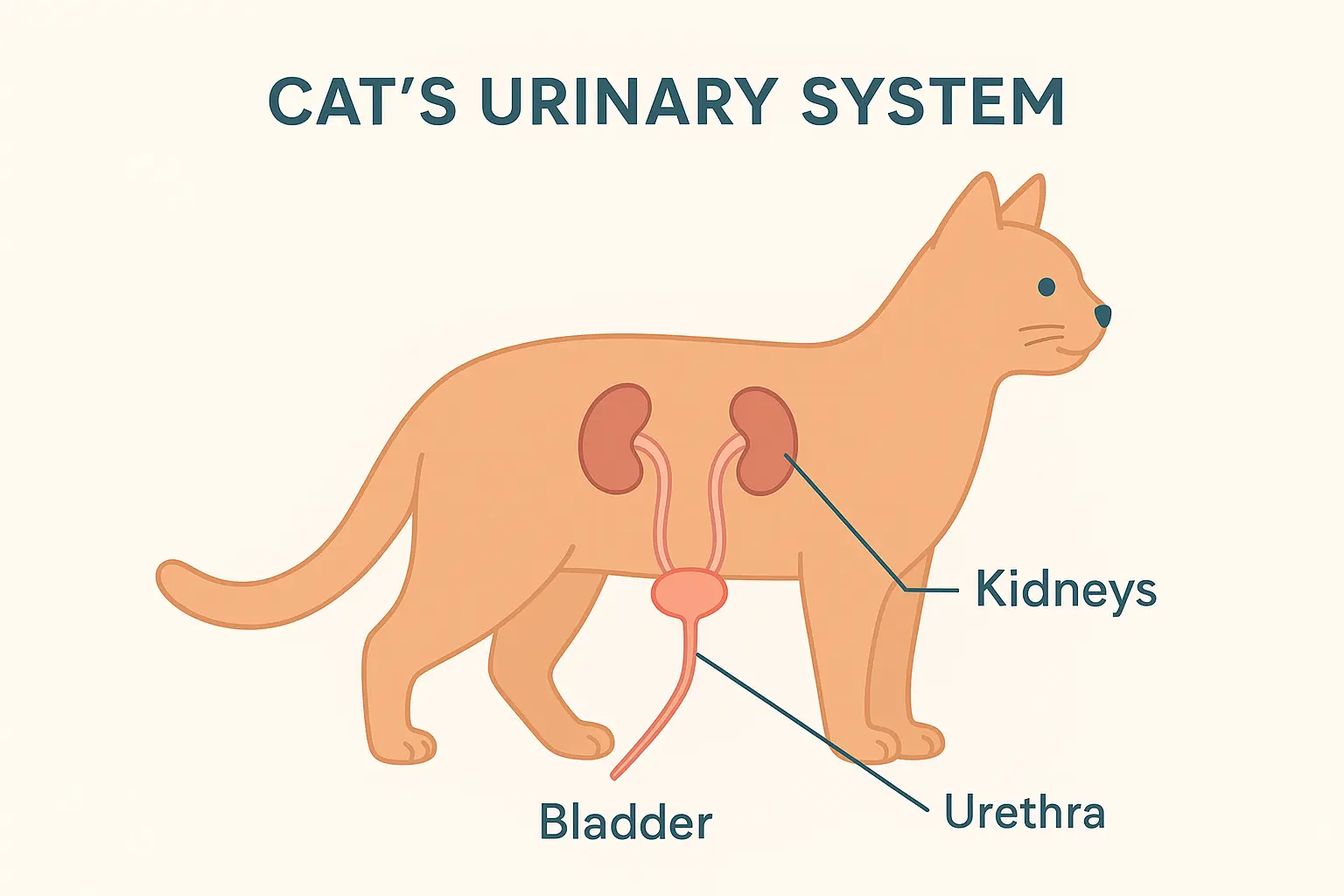
A urinary tract infection (UTI) in cats occurs when bacteria invade the bladder or urethra, causing irritation and inflammation. Think of it as an unwelcome party in your cat's urinary system—one that nobody wants to attend!
Types of UTIs in Cats
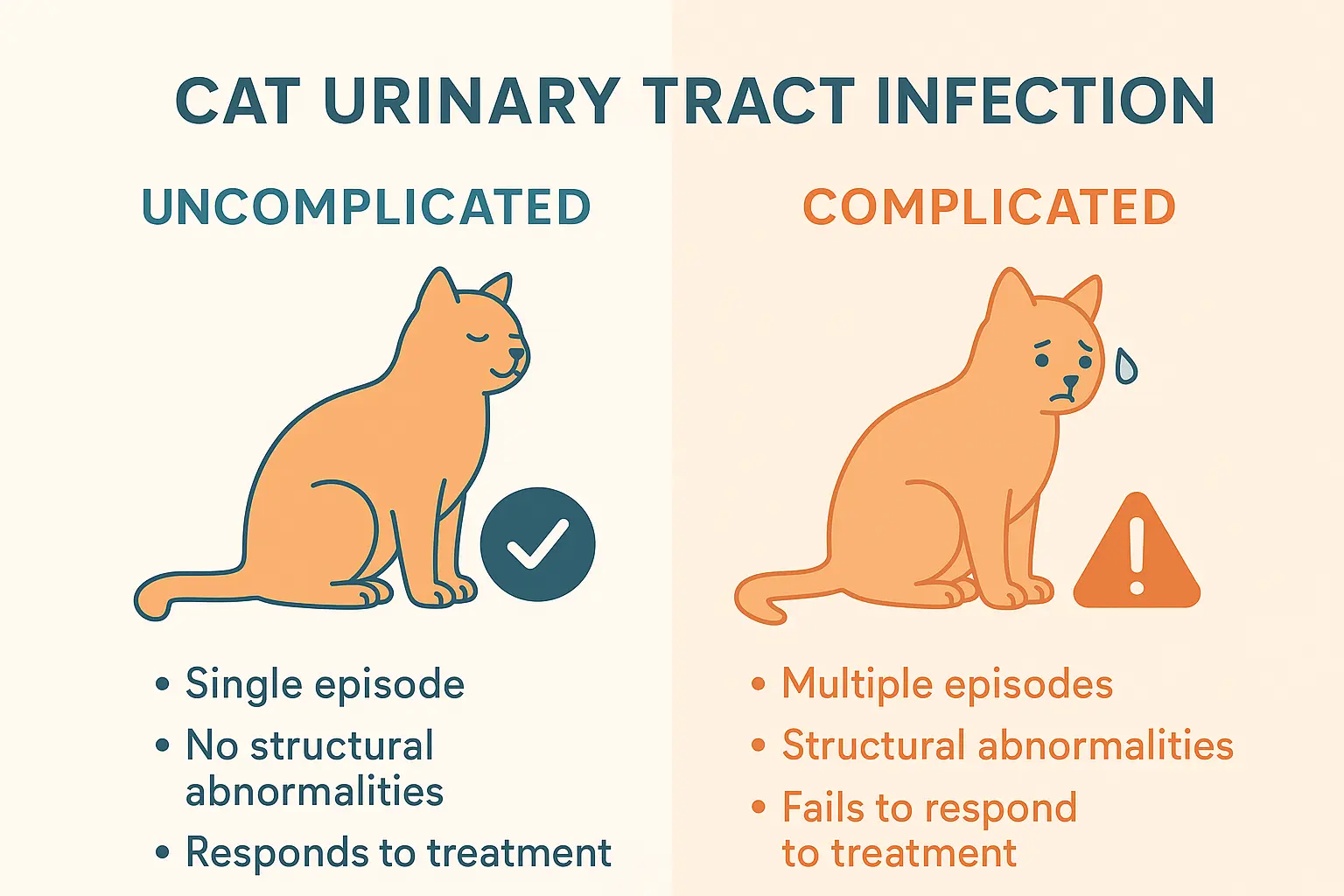
UTIs can be categorized into two main types: uncomplicated and complicated. Uncomplicated UTIs are typically straightforward, often caused by a single organism and resolve quickly with treatment. Complicated UTIs, on the other hand, are like the plot twists in a mystery novel, possibly involving underlying health issues or multiple bacteria, making them trickier to diagnose and treat.
Common Symptoms of Urinary Tract Infections
Behavioral Changes
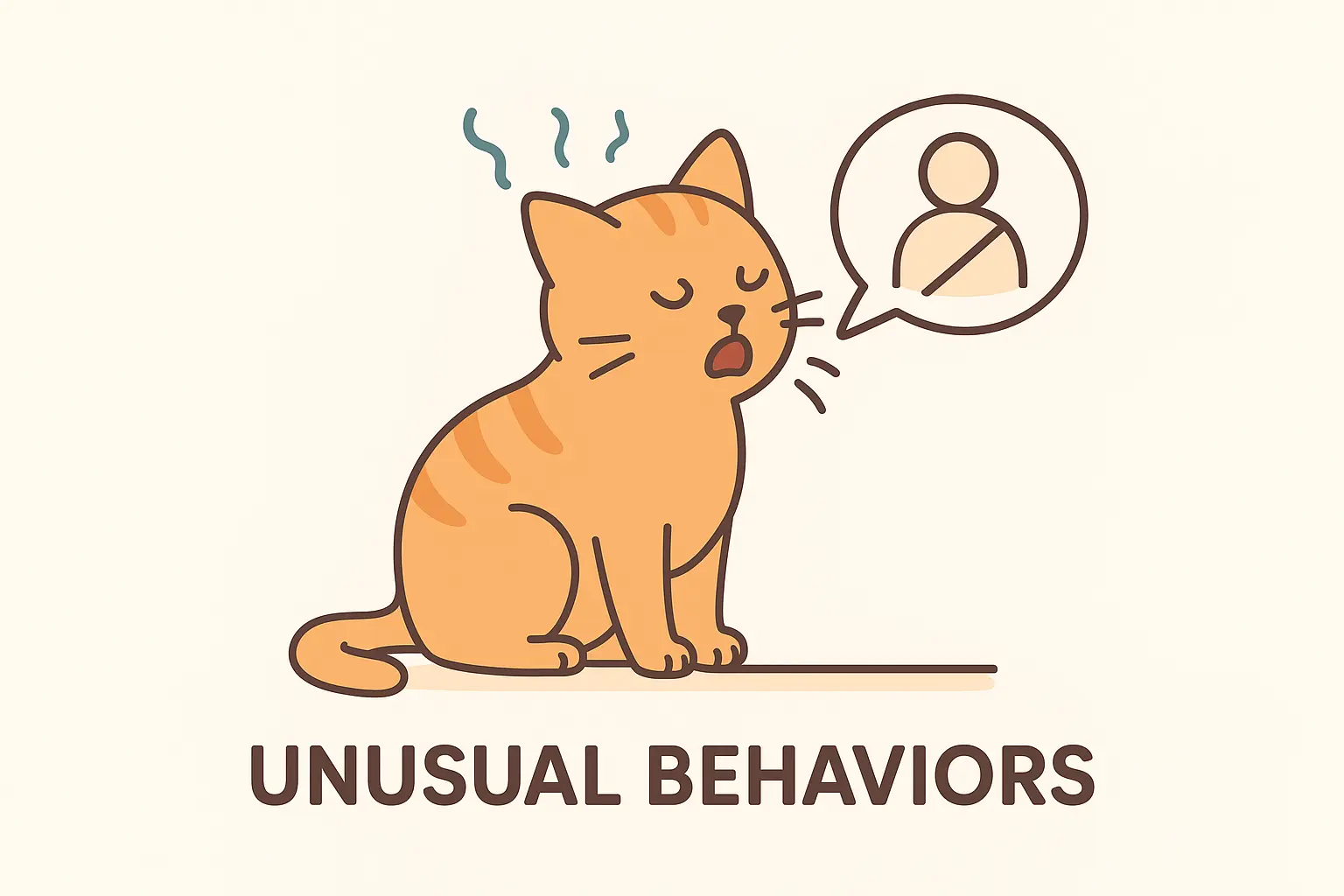
Cats with UTIs often display a range of behavioral changes—think of it as their version of “I’m not feeling or acting like myself.” They might become more vocal (not in a good karaoke way), show signs of discomfort when being petted, or even seek your lap less. Spoiler alert: your feline friend is not just ignoring you; they’re likely dealing with some discomfort.
Physical Symptoms
Keep an eye out for physical signs like excessive grooming of the genital area, blood in the urine (not the kind of dramatic flair you want to see), or even licking that area obsessively. While your cat's grooming skills are commendable, this behavior can be a cry for help.
Changes in Urination Patterns
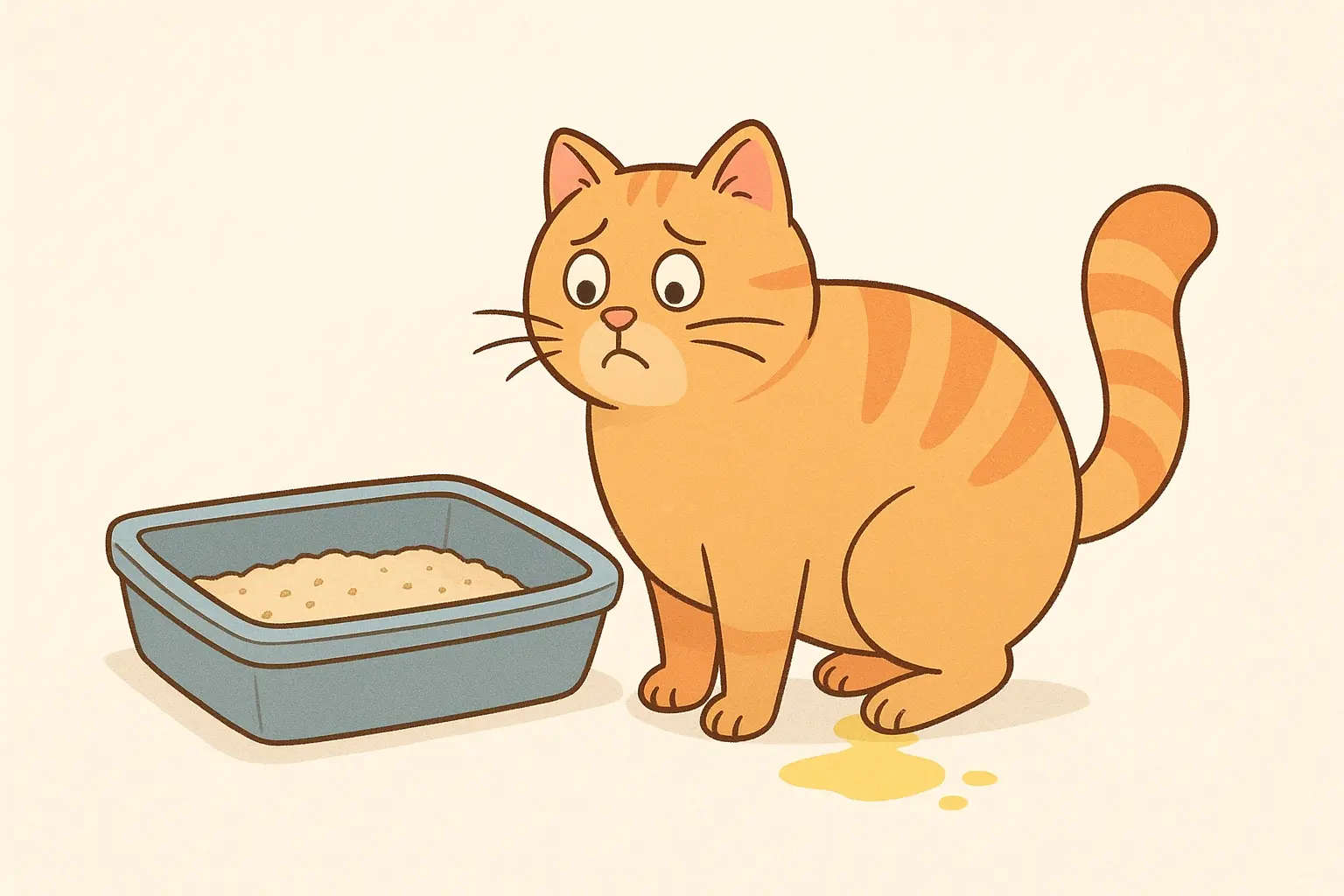
UTIs can also mess with your cat's bathroom habits. You might notice them urinating more frequently, straining to urinate (a cat drama you don’t want to witness), or, in some cases, completely missing the litter box. It’s as if they’ve decided to play “Where’s the Pee?” instead of just doing their business.
Causes and Risk Factors
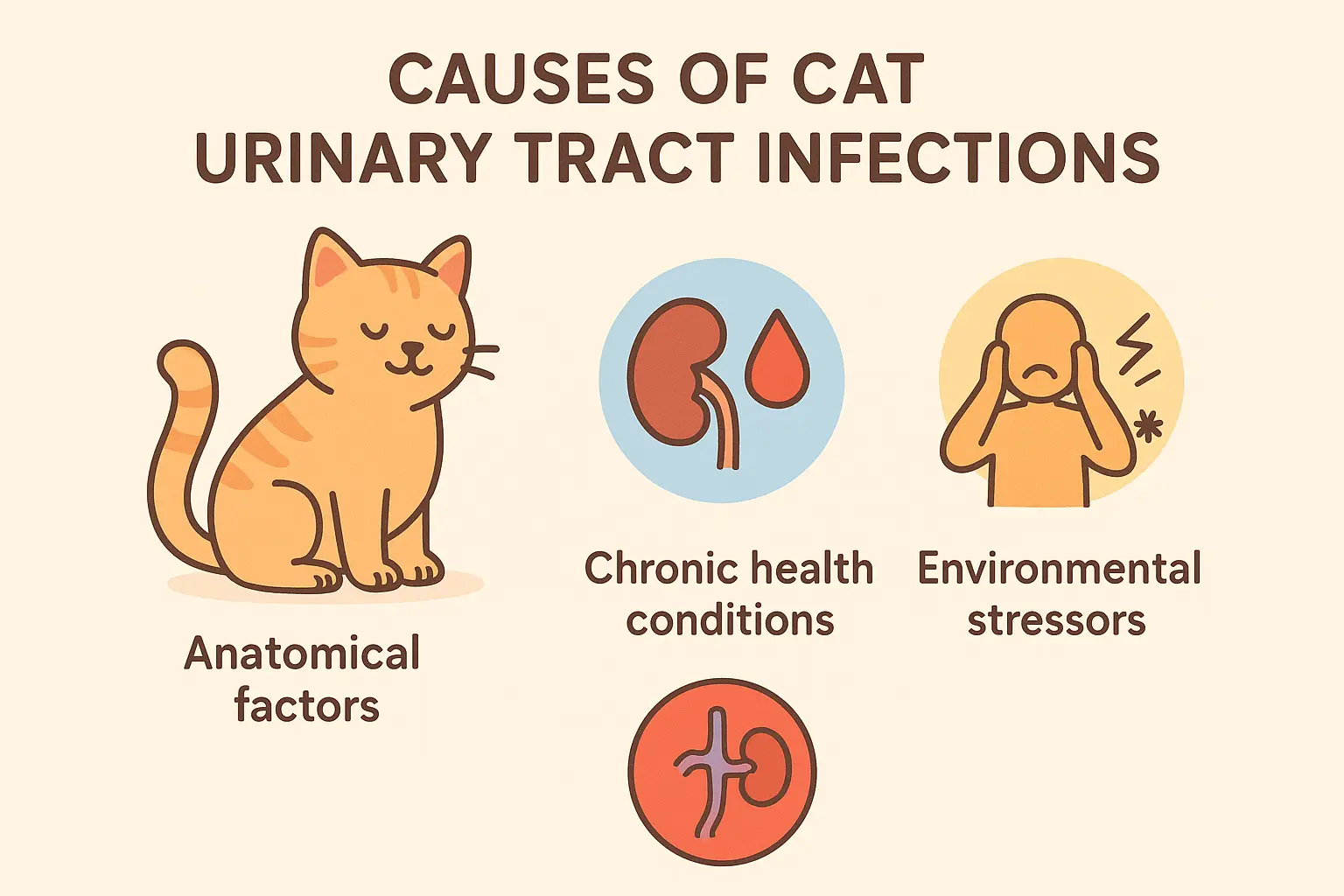
Anatomical Factors
Certain anatomical features can predispose cats to UTIs. For instance, female cats have shorter urethras, making it easier for bacteria to make their way to the bladder. Think of it as a highway for germs—less distance means quicker access!
Underlying Health Conditions
Cats with underlying health issues, like diabetes, kidney disease, or thyroid problems, are more susceptible to UTIs. It’s like when you don’t get enough sleep and catch every cold that goes around—your cat’s health plays a big role in their urinary tract’s resilience.
Environmental Factors
Environmental stressors, such as overcrowding, changes in routine, or lack of proper hygiene in the litter box (yes, you’ve got some cleaning to do), can also contribute to the development of UTIs. Cats are creatures of habit, and any disruption can lead to chaos in their urinary world.
Diagnostic Procedures for UTIs
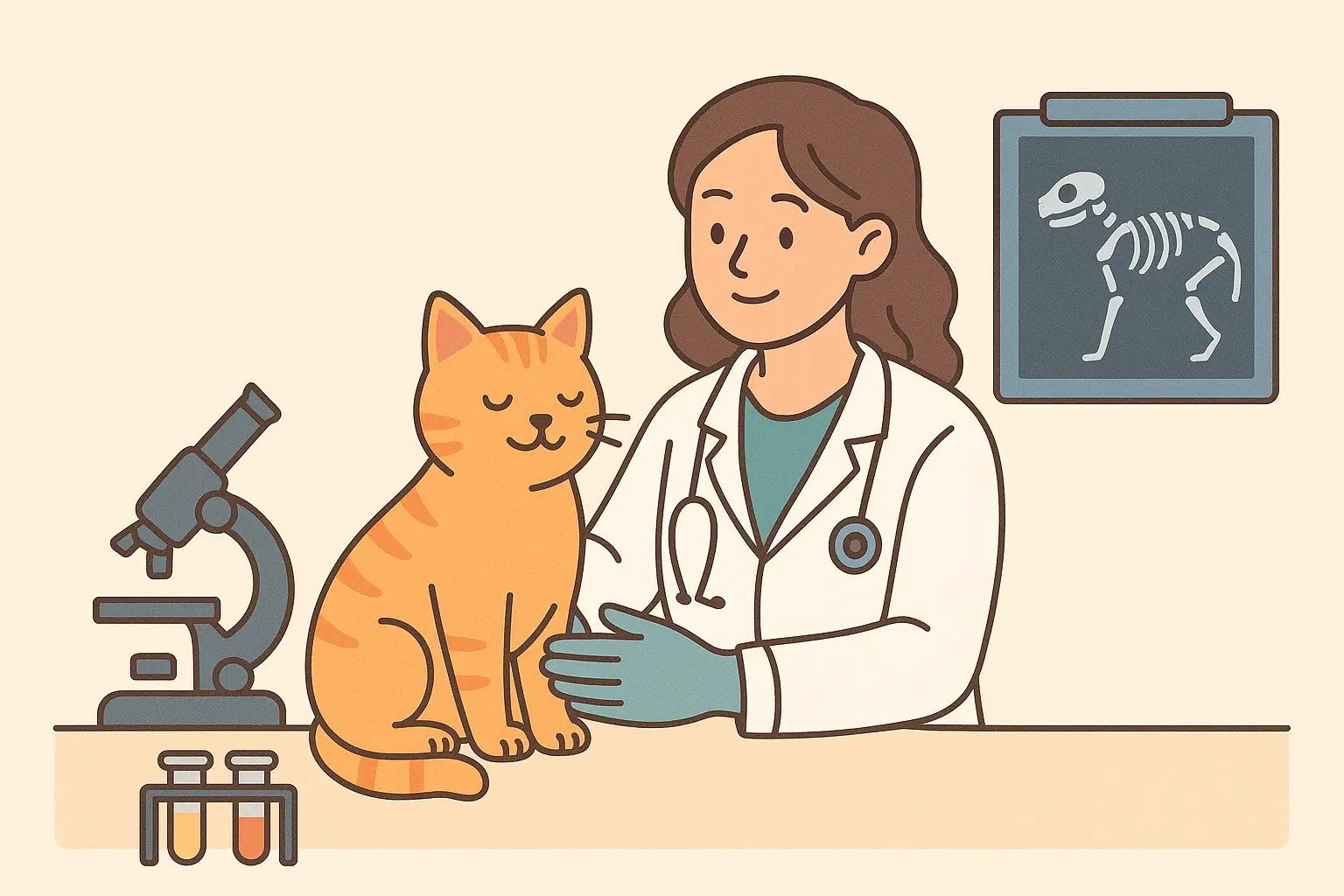
Veterinary Consultation
The first step in addressing a UTI is consulting your vet, the ultimate cat whisperer. They’ll ask a series of questions about your cat’s behavior and symptoms, so prepare to channel your inner feline detective.
Urinalysis and Urine Culture
After the consultation, your vet will likely recommend a urinalysis and urine culture. This test helps identify the presence of bacteria, crystals, or other abnormalities. It’s a bit like a health check-up for their pee—definitely not the most glamorous part of being a cat, but crucial nonetheless.
Imaging Techniques
In some cases, vets might use imaging techniques like X-rays or ultrasounds to rule out other problems, such as bladder stones or tumors. Imagine your vet playing Sherlock Holmes, using technology to uncover the mystery behind your cat's UTI!
Treatment Options for Affected Cats
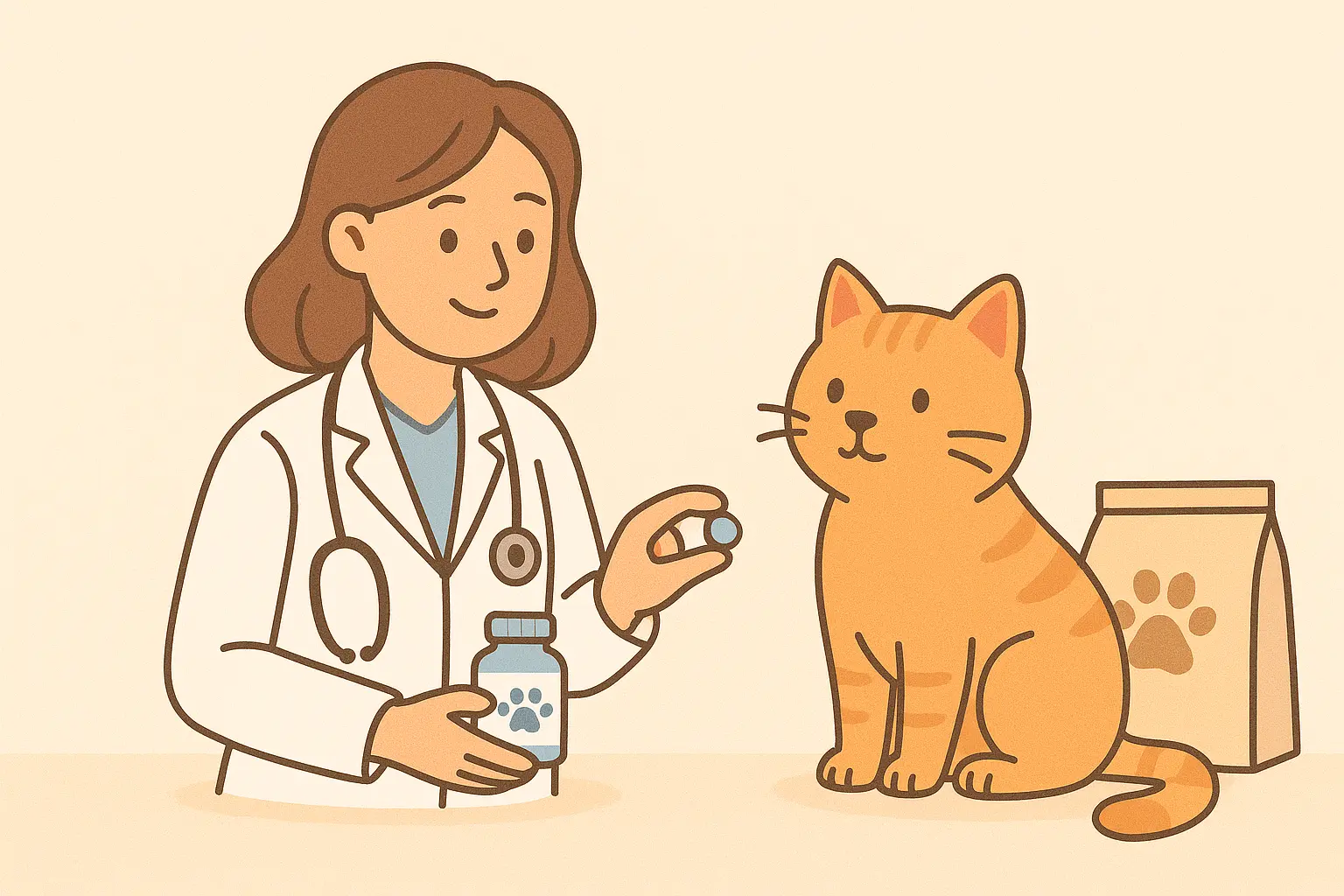
Antibiotic Therapy
When your feline friend is diagnosed with a urinary tract infection (UTI), the vet may prescribe antibiotics to zap those pesky bacteria. This isn’t a “one-size-fits-all” situation, as different antibiotics target different kinds of bacteria. You’ll need to make sure your cat finishes the entire course, even if they start to act like their mischievous selves again. Think of it as a cat's version of “do your homework before watching cartoons!”
Dietary Adjustments
Diet plays a pivotal role in your cat’s urinary health. If your kitty is prone to UTIs, your vet might suggest switching to a prescription diet formulated to increase urine acidity or promote hydration. These diets are like the fancy cat food equivalent of wearing a raincoat in a downpour—always a smart move! Plus, adding a splash of water or enticing wet food into their meals can help keep the urinary system flowing smoothly.
Supportive Care
While antibiotics are doing their thing, supportive care is also essential. This includes ensuring your cat is comfortable and stress-free, as stress can exacerbate urinary issues. Provide them with a cozy spot, plenty of love, and maybe even a few extra toys for distraction. And who knows? The more you pamper them, the more they might think they’re royalty!
Preventive Measures to Reduce UTI Risk
Maintaining Hydration
Hydration is the name of the game! Cats can be notoriously picky about drinking water, so it’s your mission to make their drinking station as appealing as possible. Try multiple water bowls, a fancy fountain, or even adding water to their wet food. Keeping your cat hydrated is like giving them a personal bodyguard against UTIs—hydration helps dilute their urine and flush out potential bacteria.
Regular Veterinary Check-ups
Just like we need regular doctor visits to keep us in tip-top shape, so do our feline companions. Regular vet check-ups can catch any early signs of urinary problems before they escalate into full-blown UTIs. So, schedule those annual visits and maybe treat your cat to a post-check-up play session (a little bribery never hurt anyone, right?).
Environmental Enrichment
Mental stimulation is just as crucial for your cat's well-being as physical health. Providing toys, climbing structures, and interactive activities can reduce stress and boredom, which are sneaky contributors to urinary issues. A happy cat is a healthy cat, and a little creativity in their environment can go a long way. After all, who wouldn’t want their own feline funhouse?
When to Seek Veterinary Help
Identifying Severe Symptoms
Knowing when to consult a vet can be a lifesaver—literally! Keep an eye out for severe symptoms like frequent urination with little output, blood in the urine, lethargy, or obvious pain while urinating. If your cat is straining like they’re trying to fit into that tiny box they love, it’s definitely time to call the vet. Trust us, ignoring those signs is like ignoring your cat's side-eye when you try to take their favorite spot!
Understanding Urgency
If your cat’s behavior takes a drastic turn for the worse, don’t hesitate! Recognizing the urgency of the situation can make a big difference in their health outcomes. If your cat is refusing to eat or drink, has intense abdominal pain, or is constantly meowing like they’re auditioning for a role in a drama, it’s time to rush them to the vet. Think of it as attending to an emergency at 3 AM—sometimes the best decision is the one made in a moment of feline panic!
FAQ

Can UTIs be Prevented?
While there’s no magic wand to completely prevent UTIs, several strategies can significantly reduce the risk. Keeping your cat hydrated, maintaining a clean litter box, and ensuring a stress-free environment are key components in your kitty’s UTI prevention plan. Think of it as a combination of cat wellness techniques, rather than a cure-all.
Are Certain Breeds More Susceptible?
Yes, some breeds can be more susceptible to urinary issues. Breeds like Persians and Maine Coons might be at a higher risk, but the truth is, any cat can fall victim to a UTI. Just like humans, genetics plays a role, but staying proactive with care is your best bet, regardless of the breed.
What is the Prognosis for Cats with UTIs?
The prognosis for cats with UTIs is generally good, especially if caught early and treated effectively. With the right care—antibiotics, proper hydration, and dietary adjustments—most cats will return to their spunky selves in no time. Remember, it’s always better to address health issues early, so don’t hesitate to consult your vet at the first sign of trouble!In conclusion, being aware of urinary tract infections in cats is crucial for any cat owner. By recognizing the symptoms early, seeking prompt veterinary care, and implementing preventive measures, you can help ensure your feline friend remains healthy and happy. Regular check-ups and a keen eye on your cat's behavior can make a significant difference in managing their urinary health. Taking these steps will not only enhance your cat's quality of life but also strengthen the bond you share with your beloved pet.
FAQs About Cat Urinary Tract Infections
Can UTIs be Prevented?
Yes, while not all urinary tract infections can be prevented, there are several measures that can reduce the risk, such as ensuring your cat stays hydrated, maintaining a clean litter box, and providing a balanced diet. Regular veterinary check-ups are also essential for early detection of potential issues.
Are Certain Breeds More Susceptible?
Some breeds may be more prone to urinary tract issues due to anatomical differences, but UTIs can affect any cat. Factors such as age, health conditions, and environmental stressors can also contribute to susceptibility.
What is the Prognosis for Cats with UTIs?
With prompt diagnosis and appropriate treatment, the prognosis for cats with urinary tract infections is generally good. Most cats respond well to antibiotics and recover fully, though some may require ongoing management to prevent recurrence.
How Can I Help My Cat During Treatment?
During treatment for a UTI, it is important to follow your veterinarian's instructions, provide plenty of fresh water, and monitor your cat's symptoms. Keeping your cat comfortable and stress-free will also aid in their recovery.
Latest Articles