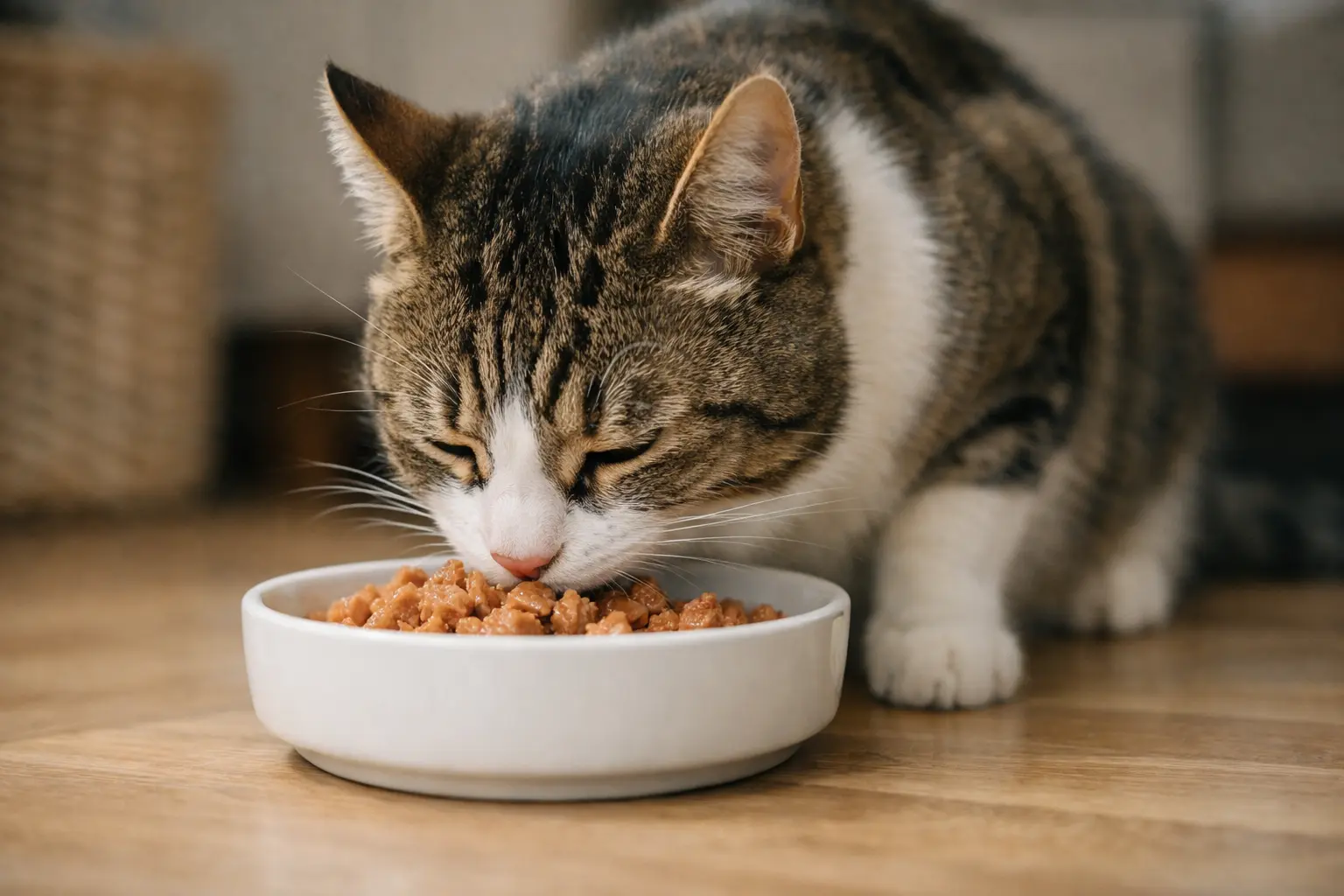
Selecting the right wet cat food is crucial for ensuring your feline friend receives a balanced diet that meets their specific nutritional needs. With countless options available on the market, it can be overwhelming to determine which products are the best for your cat's health and wellbeing. Understanding the key ingredients, nutritional requirements, and any potential allergens is essential in making an informed choice. This article will guide you through the important factors to consider when choosing vet-recommended wet cat food, helping you provide your furry companion with a diet that promotes optimal health.
Understanding Your Cat's Nutritional Needs
The Basics of Feline Nutrition
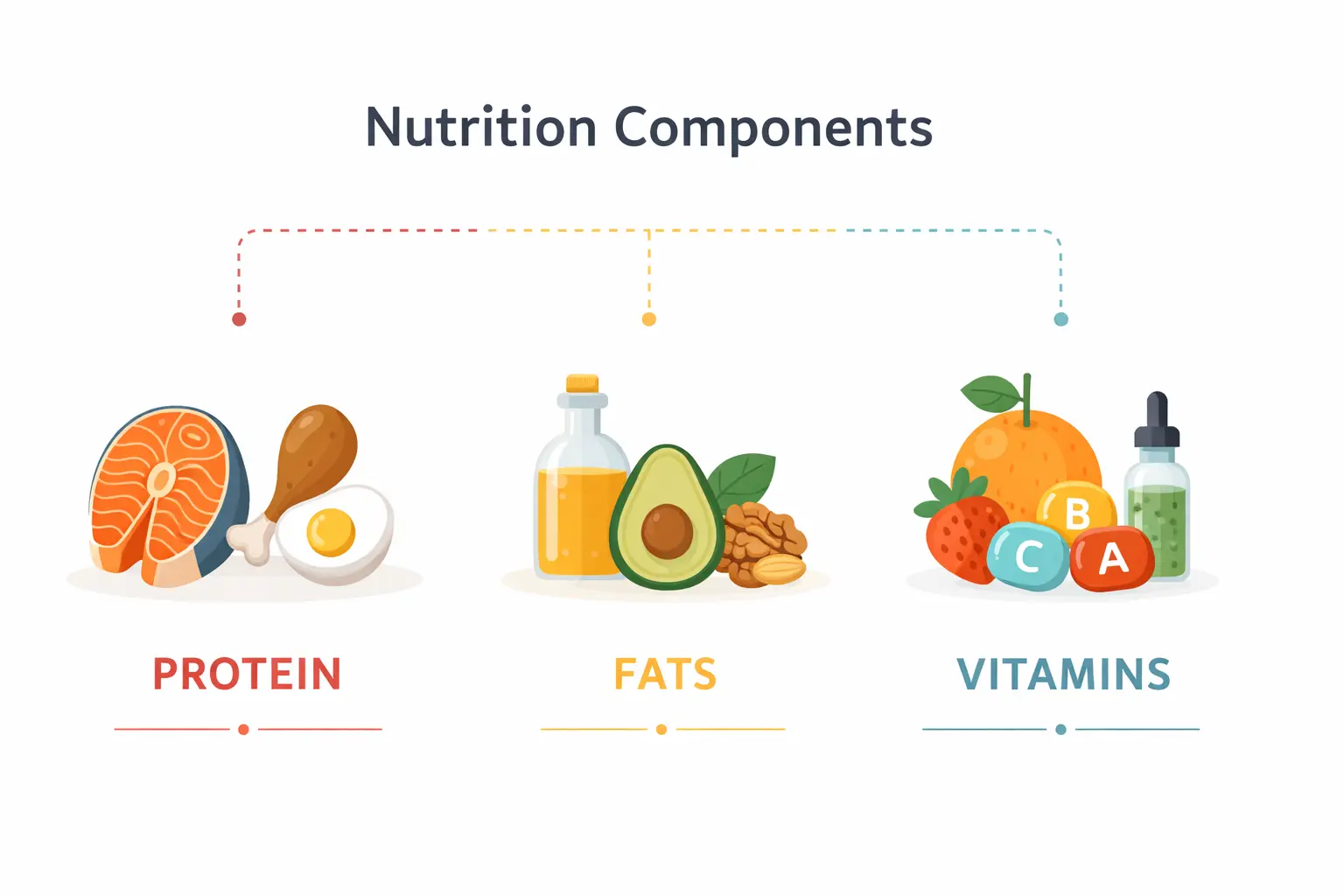
Cats are obligate carnivores, which means their diet must be rich in meat. Think of them as tiny, furry lions stalking their way through the living room. A balanced diet for cats includes a mix of proteins, fats, carbohydrates, vitamins, and minerals. High-quality protein is crucial for muscle maintenance, while fats provide energy and help with nutrient absorption. Carbs? Well, they're like that extra sprinkle of catnip—nice to have but not strictly necessary. Always remember, if it doesn't come from an animal, it's likely not going to cut it for your feline friend.
Life Stage Considerations: Kittens vs. Adult Cats
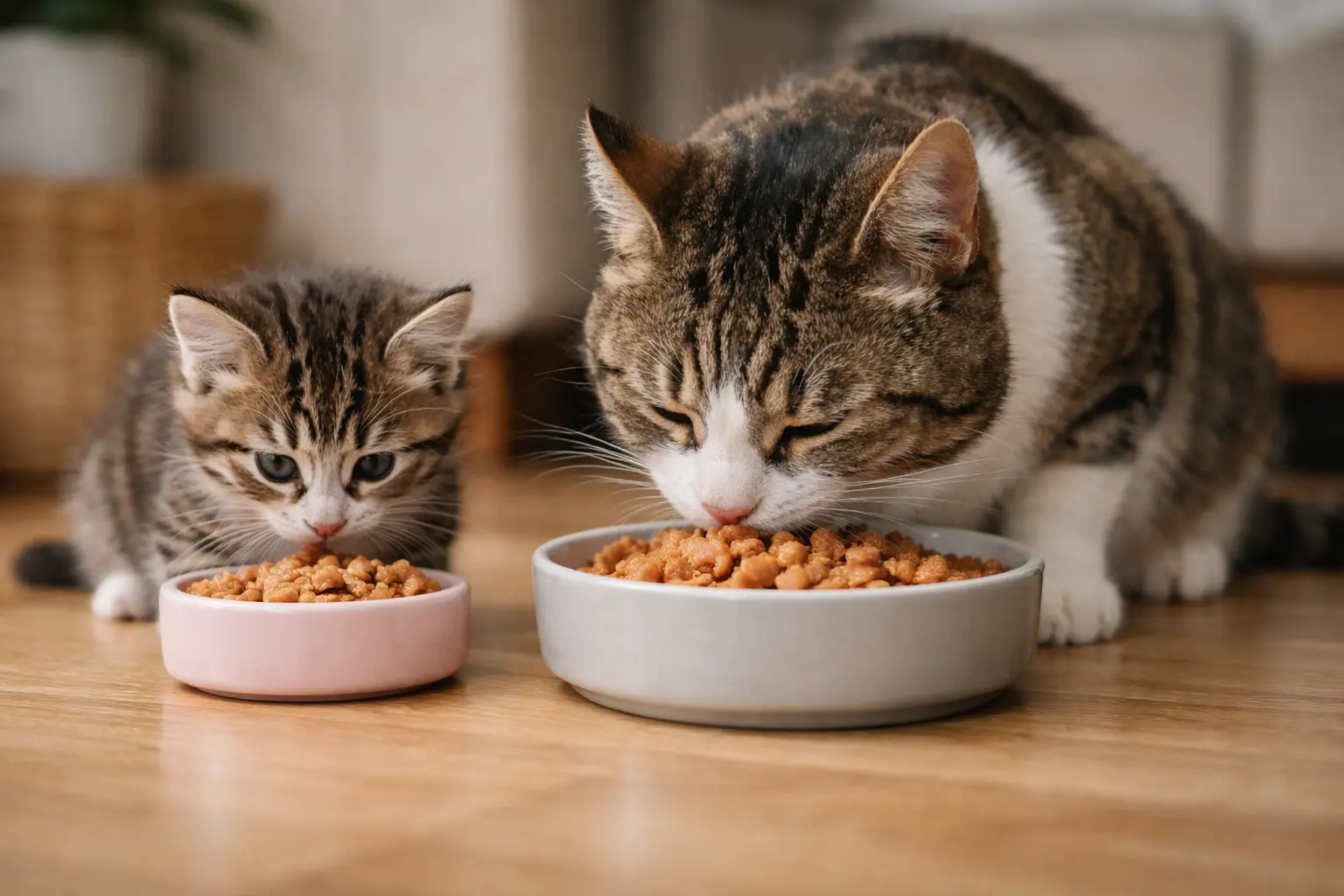
Kittens are like tiny tornadoes of energy, so they have different nutritional needs compared to their older, napping counterparts. Kittens require a diet that's higher in calories, proteins, and essential fatty acids to support their rapid growth and playful antics. Think of it as fueling a little racecar! Adult cats, on the other hand, need a well-balanced diet to maintain their health and prevent obesity. As they age, their dietary needs change again, so keep your eyes peeled for senior formulas that cater to their maturing bodies. Remember, one size doesn’t fit all—unless you’re talking about cat pajamas!
Key Ingredients to Look For in Wet Cat Food
Essential Nutrients: Vitamins and Minerals
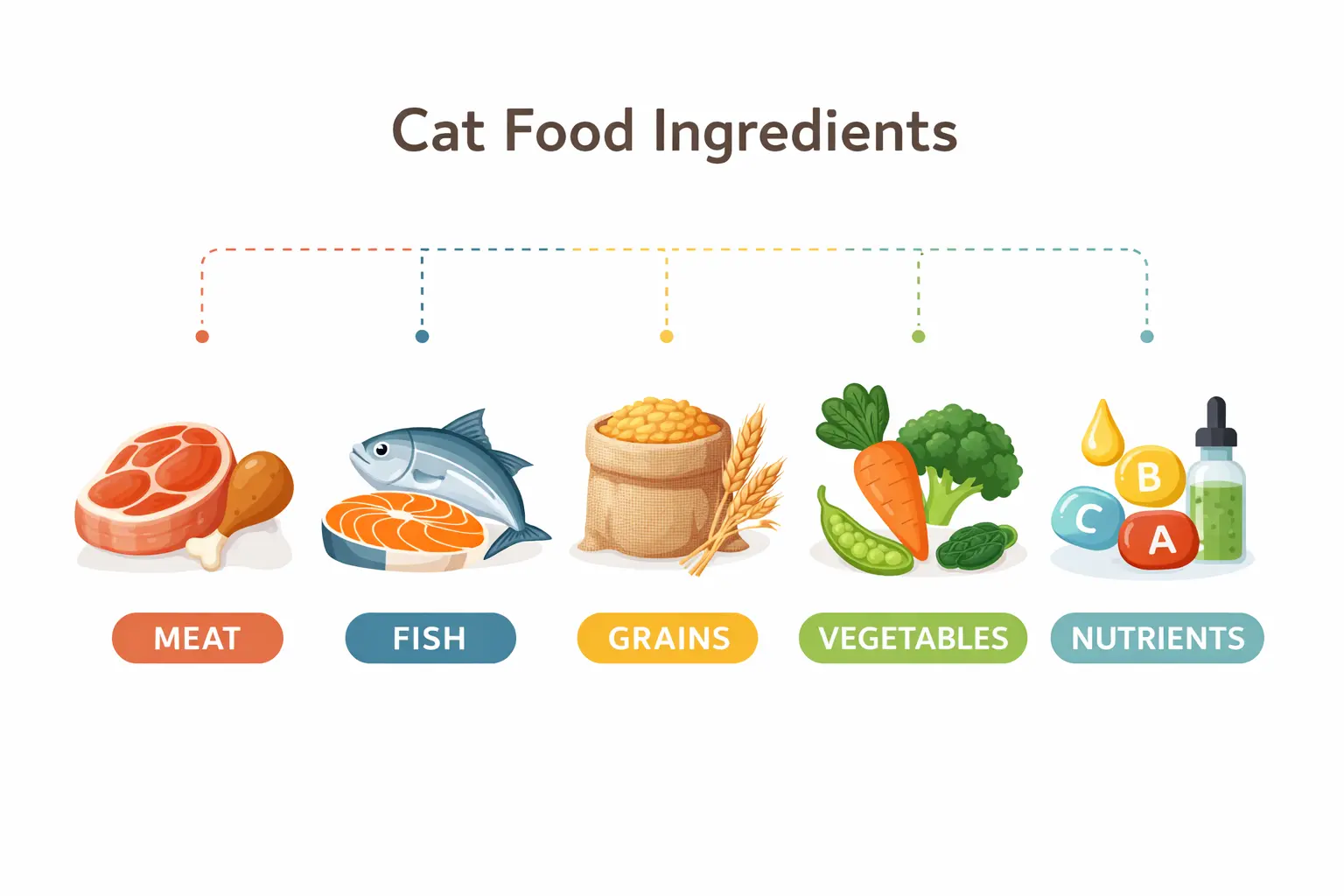
When scanning the ingredient list, look for a variety of vitamins and minerals to support your cat’s overall health. Key players include taurine (a must for heart and eye health), vitamins A, D, and E, and minerals like calcium and phosphorus. These nutrients work together like a well-rehearsed cat choir, harmonizing to keep your furry friend happy and healthy. Just make sure the food doesn’t resemble a chemistry set—keep it simple and natural!
Quality of Animal Protein Sources
Not all proteins are created equal, and your cat can certainly tell the difference! Look for wet cat food that lists specific animal sources, such as chicken or fish, as the first ingredients. The more specific, the better—"chicken by-products" doesn’t sound nearly as appetizing (or nutritious) as "deboned chicken." Quality matters because it ensures that your kitty is getting that prime protein punch they need. Think of it as a gourmet meal, minus the Michelin stars.
The Importance of Healthy Fats
Healthy fats are like the cozy blanket on a chilly day for your cat—they keep them snug and comfortable. Omega-3 and Omega-6 fatty acids are essential for maintaining a shiny coat and healthy skin. Look for wet cat food that contains sources like fish oil or chicken fat. These fats help support brain health, reduce inflammation, and keep your feline feeling fabulous. Bonus: a well-nourished cat is likely to have a glossier coat than that family member who’s always bragging about their skincare routine.
The Importance of Protein Sources
Animal-Based vs. Plant-Based Proteins

Cats thrive on animal-based proteins, so when evaluating wet cat food, prioritize meat sources. While some foods might include plant-based proteins (looking at you, soy), these are not as bioavailable for cats. It’s like trying to use a can opener to fix a toaster—it just doesn’t work! Stick to wet foods with chicken, beef, fish, or turkey as the primary protein sources for optimal health. Your furball deserves the best, and that means keeping it meaty!
Protein Digestibility and Its Impact on Health
Just because a food contains protein doesn’t mean your cat can digest it well. The bioavailability of protein—how well your cat can absorb it—plays a pivotal role in its health. Highly digestible proteins are essential for lean muscle development and overall vitality. Look for brands that specify their protein digestibility, or check with your vet for recommendations. After all, a happy cat means fewer mysterious "presents" left on the living room floor!
Avoiding Harmful Additives and Fillers
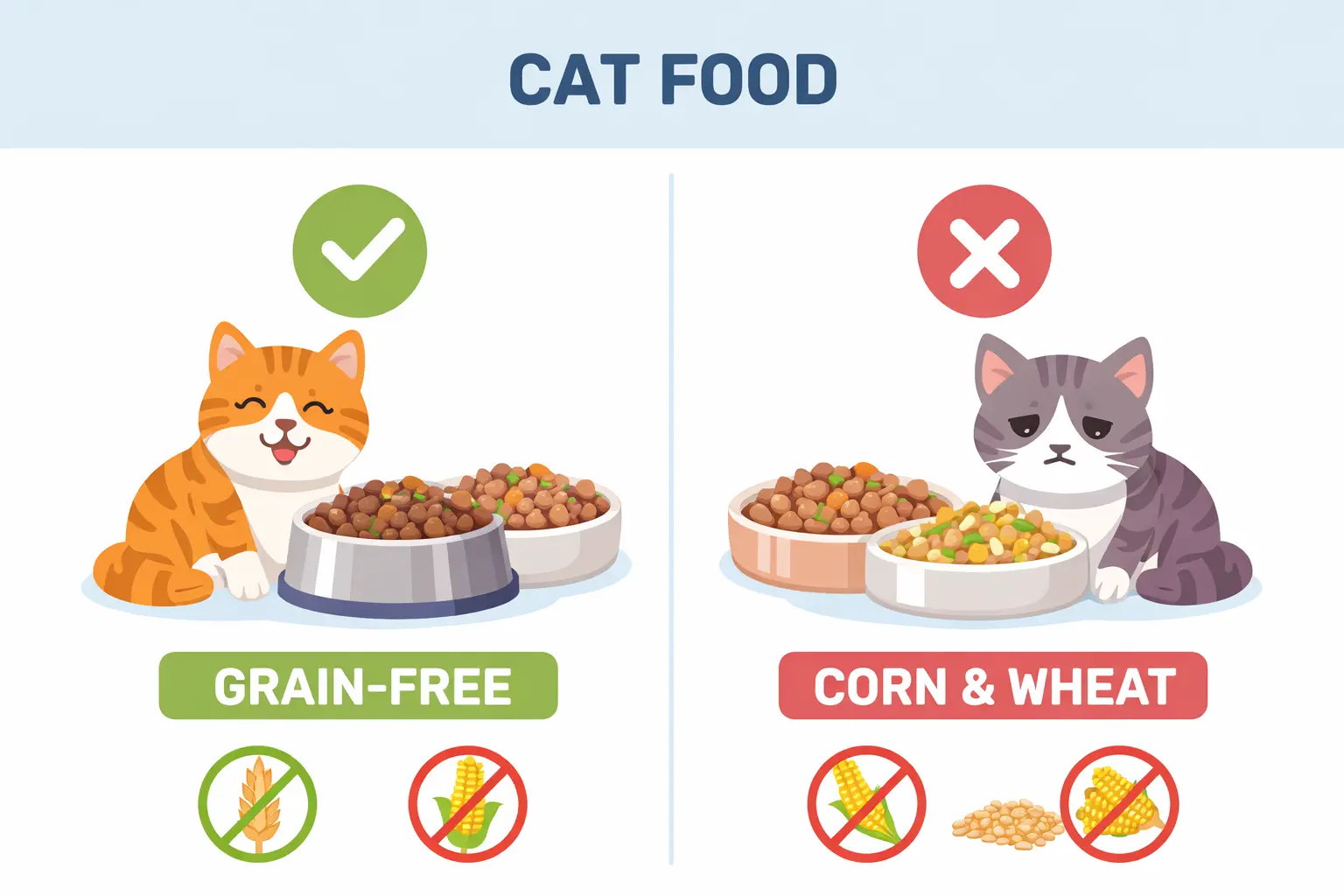
Common Fillers to Watch Out For
Fillers are like the unwanted guests at a party—nobody really wants them there. Ingredients like corn, wheat, and soy can be used to bulk up cat food but provide little nutritional value. They can also lead to digestive issues or allergies in some sensitive felines. When reading labels, aim for a product that boasts real meat as the primary ingredient and skips the fillers altogether. Your cat should be feasting on gourmet goodies, not filler fluff!
Understanding Preservatives and Their Effects
Preservatives can be a double-edged sword. While some are necessary to keep food fresh, others can be harmful to your kitty's health. Stay clear of artificial preservatives like BHA, BHT, and ethoxyquin, which can cause long-term health issues. Instead, look for natural preservatives like tocopherols (a fancy term for Vitamin E). A little knowledge goes a long way—avoiding harmful additives will keep your cat from feeling like they attended a chemical science fair instead of enjoying a wholesome meal.
Evaluating Brand Reputation and Certifications
Researching Brand History and Trustworthiness
When it comes to feeding our beloved furballs, the brand behind the food matters—like, a lot. Start by digging into the brand's history. A company that has been around for a while has typically learned a thing or two about quality and pet nutrition. Seek out brands with a solid track record of safety and customer satisfaction. Online reviews and vet recommendations can be your trusty sidekicks in this quest. If you come across stories of recalls or unhappy kitties, that's a red flag, my friend. Stick to brands that your vet would happily put their own cat on.
Understanding Certifications: AAFCO and Beyond
Certifications are the gold stars on your cat food’s report card. The Association of American Feed Control Officials (AAFCO) sets the standards for pet food labeling and ensures that it meets the minimum nutritional requirements. Look for labels that say "formulated to meet AAFCO guidelines"—it’s like a firm handshake from the nutrition authority. Some brands also boast higher certifications or endorsements from veterinary associations, which can give you extra peace of mind that your fluffy friend is eating well. Extra points if they’re transparent about their ingredient sourcing, because we all love a brand that knows where its meats come from!
The Role of Moisture Content in Cat Health
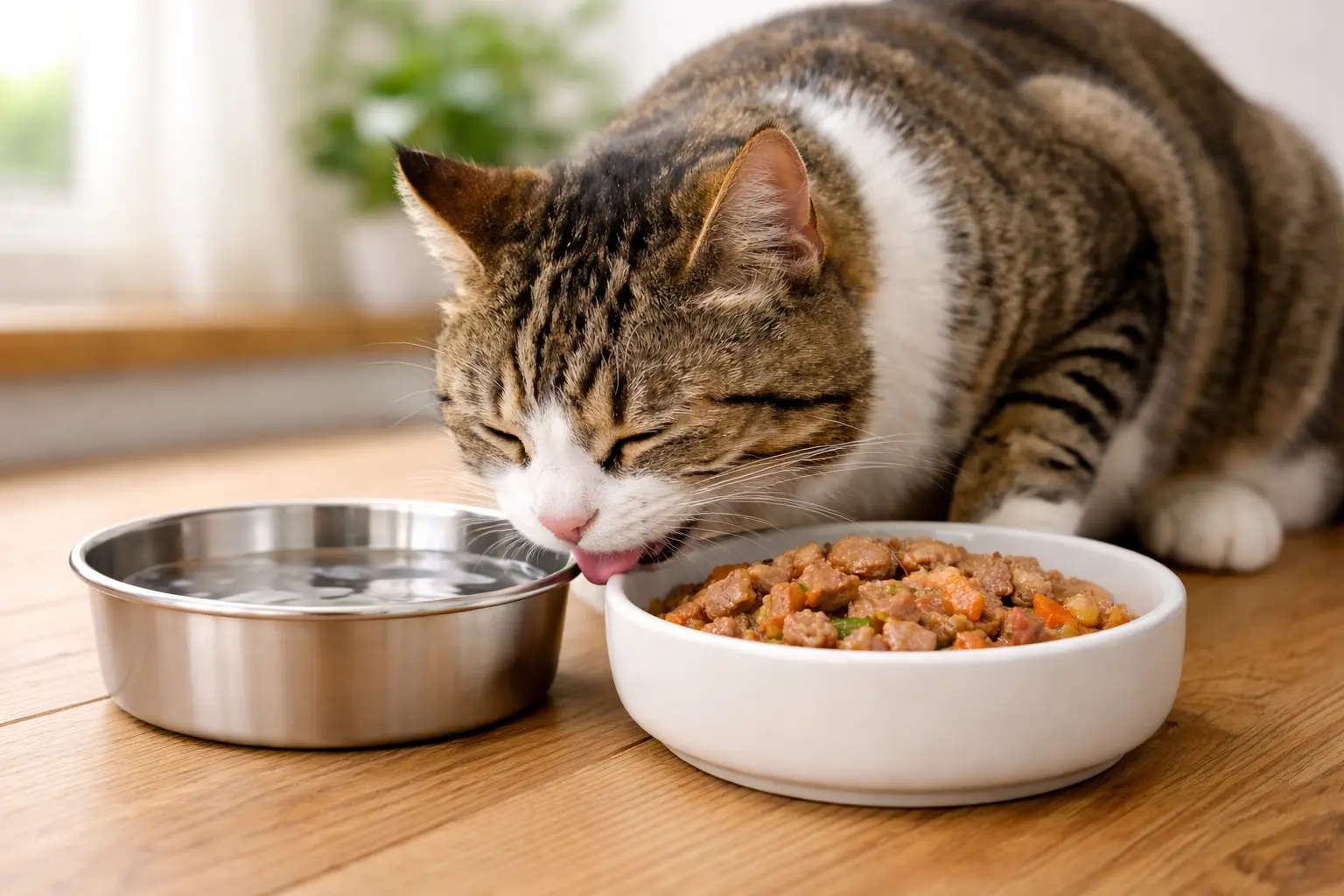
Benefits of High Moisture Diets
Cats are not just furry couch potatoes; they are also desert-dwelling ancestors with a penchant for moisture! A wet food diet typically contains between 70-80% moisture, which is like a hydration spa day for your kitty. Increased moisture can help prevent urinary tract problems, support kidney health, and even promote healthier skin. Plus, let’s be honest—most cats find wet food to be a gourmet experience, making mealtime feel like a five-star event rather than, well, whatever cats are in the mood for otherwise.
Hydration and Its Impact on Feline Health
Hydration plays a starring role in keeping our feline friends in tip-top shape. Cats have a low thirst drive due to their ancestors’ lifestyle of consuming moisture-rich prey. That's why encouraging hydration through wet food is crucial! It can help avert issues like kidney disease, which is more common in older cats. So, if you’re on a mission to boost your cat’s hydration game, think of wet food as the superhero cape they never knew they needed.
Special Diets: Considering Allergies and Health Conditions
Identifying Common Cat Allergies
Just like humans, cats can have allergies. Common offenders include chicken, beef, dairy, and grains. If your cat has been sneezing, itching, or acting like a drama queen, it might be time to explore food sensitivities. Talk to your vet about hypoallergenic diets or limited ingredient options that will have your kitty feeling better in no time. After all, nobody likes a cranky cat!
Specialized Formulas for Specific Health Issues
If your feline friend has any health quirks—or as I like to call them, "purrsonalities"—specialized diets might be necessary. Whether they’re battling obesity, kidney disease, or digestive issues, there are formulas specifically designed to meet those needs. These recipes often include added nutrients or restricted ingredients to cater to your cat’s specific condition. Always consult your vet before making the leap, because your cat deserves only the best tailored care, not a one-size-fits-all approach.
Tips for Transitioning Your Cat to Wet Food
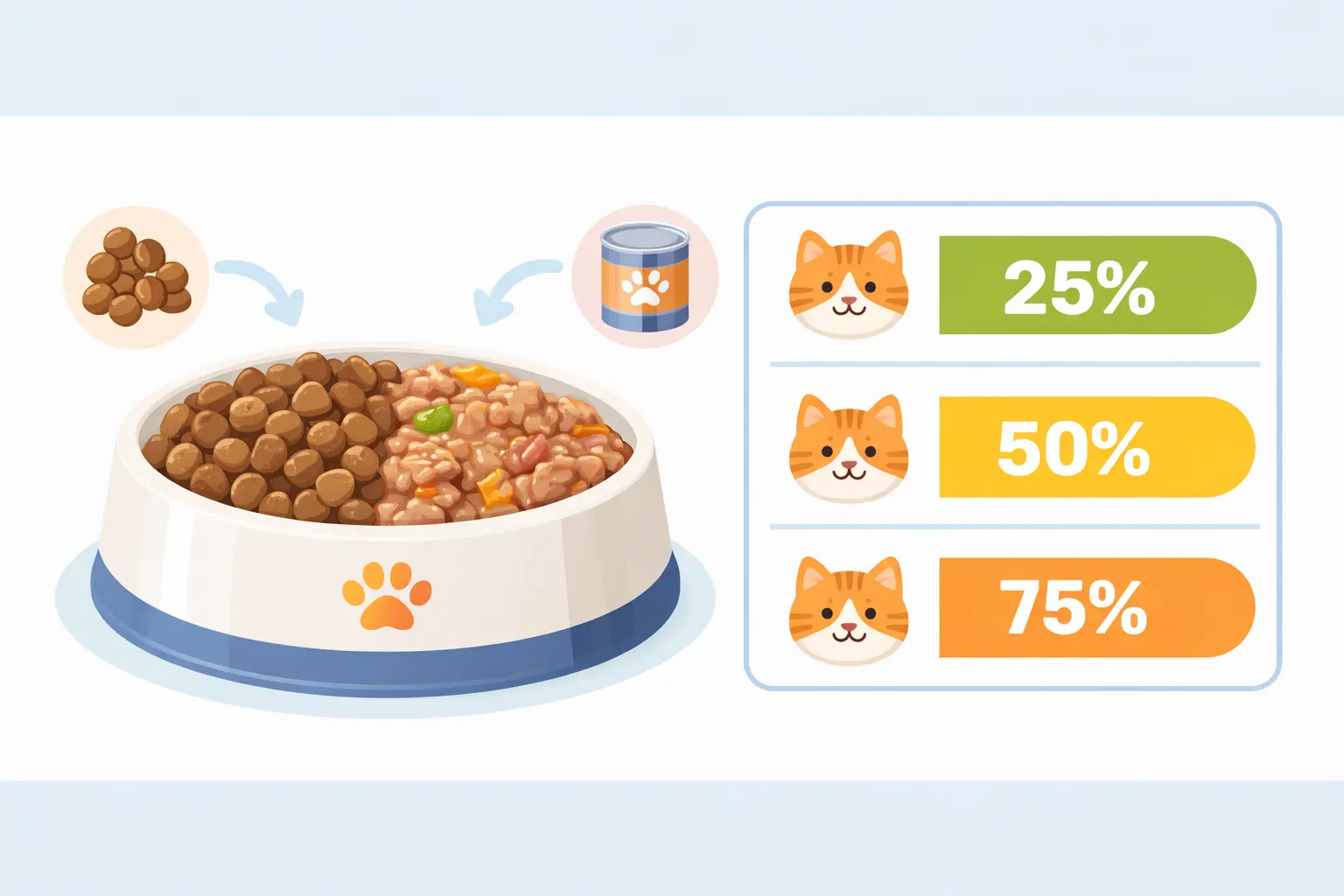
Gradual Transition Techniques
Cats can be picky little divas when it comes to food changes. Start with a mix of their current dry food and the new wet food—about 25% wet to 75% dry at first. Slowly increase the wet food ratio over a week or so. This gradual approach will help avoid rebellion (aka, refusal to eat) and keep their bellies happy. You might even consider warming the wet food slightly to enhance the aroma, making it even more irresistible—like a catnip-scented buffet!
Monitoring Your Cat's Response
As you transition your cat, keep an eye on their response—like a cat watchman. Look for signs of enthusiasm (i.e., eager pouncing) or despair (i.e., sad face). It’s essential to monitor their digestion, too; changes in litter box habits can be indicative of their adjustment to the new diet. If things seem off for more than a few days, check in with your vet. Remember, a happy cat is a well-fed cat, so stay alert, and soon enough you’ll be rewarded with a purring bundle of joy!In conclusion, selecting the right wet cat food is a vital step in ensuring your cat stays healthy and happy. By paying attention to nutritional content, ingredient quality, and any specific dietary needs, you can make an informed choice that supports your feline's wellbeing. Remember to consult with your veterinarian for personalized recommendations, and monitor your cat's response to any new food. With the right information and careful consideration, you can provide a diet that contributes to a long, healthy life for your beloved pet.
FAQs

1. How much wet cat food should I feed my cat daily?
It depends on your cat's age, weight, and activity level. Generally, consult the feeding guidelines on the food packaging and adjust based on your cat's specific needs. It's also a good idea to consult your veterinarian for personalized recommendations.
2. Can wet cat food be fed exclusively, or should it be combined with dry food?
Wet cat food can be fed exclusively, but many pet owners choose to combine it with dry food for added texture and dental benefits. Ensure that your cat's overall diet meets their nutritional needs, and consult your veterinarian for the best approach.
3. What are the signs that my cat may be allergic to their food?
Signs of food allergies in cats can include itching, excessive grooming, gastrointestinal issues like vomiting or diarrhea, and skin irritations. If you suspect an allergy, consult your veterinarian for appropriate testing and dietary adjustments.
4. How can I transition my cat to a new wet food?
To transition your cat to a new wet food, gradually introduce it by mixing small amounts with their current food over several days. Slowly increase the proportion of the new food while decreasing the old one, monitoring your cat's response throughout the process.