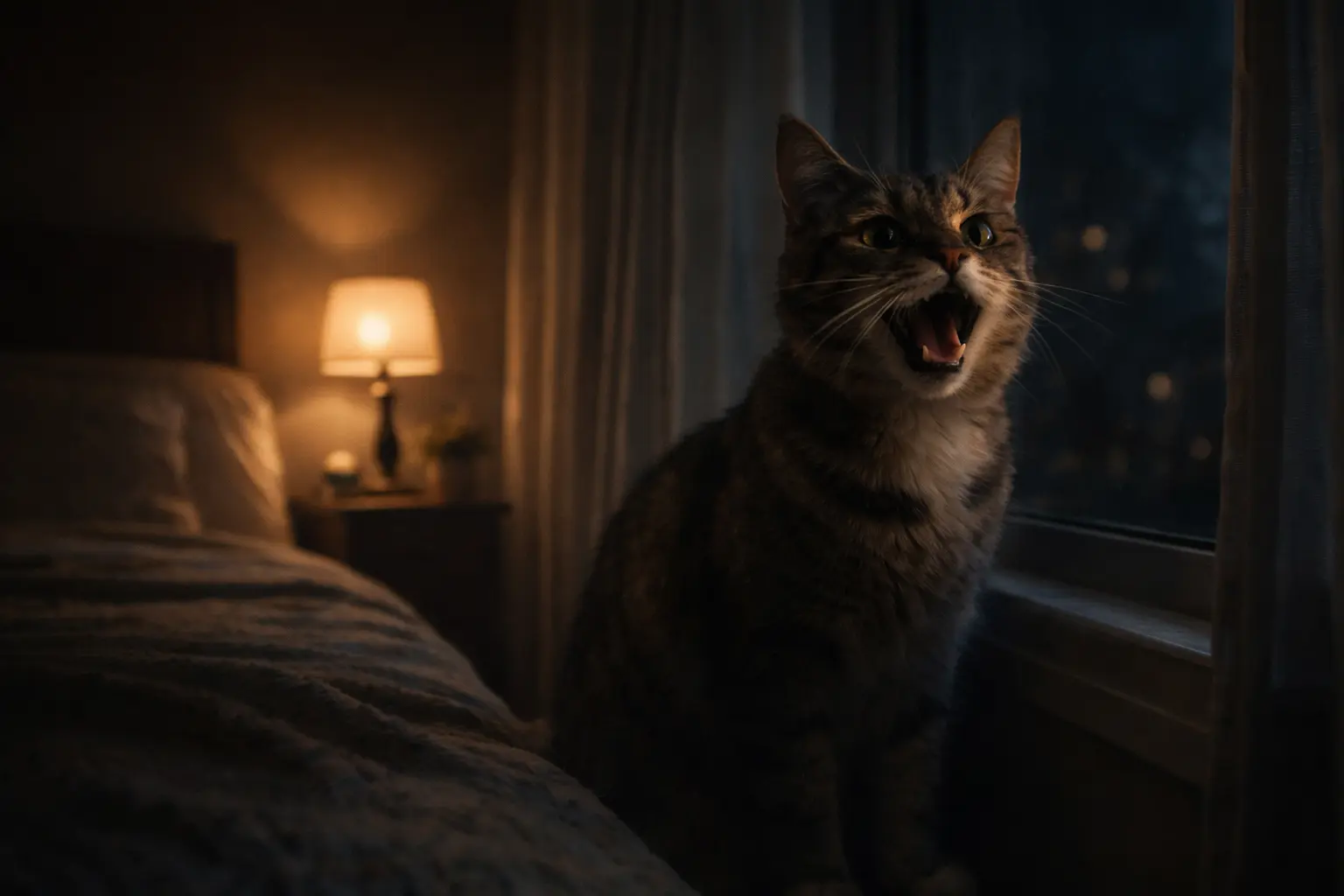
Many cat owners have experienced the curious phenomenon of their feline friends meowing incessantly during the night. While it can be perplexing and even disruptive, understanding the reasons behind this nocturnal vocalization is essential for both the well-being of your cat and your own peace of mind. From communicating basic needs to expressing discomfort or anxiety, cats use meowing as a form of communication. In this article, we will explore the various factors that contribute to nighttime meowing, offering insights and practical solutions to help you manage your cat's behavior and ensure a restful night for everyone.
Understanding Cat Communication
The Basics of Meowing
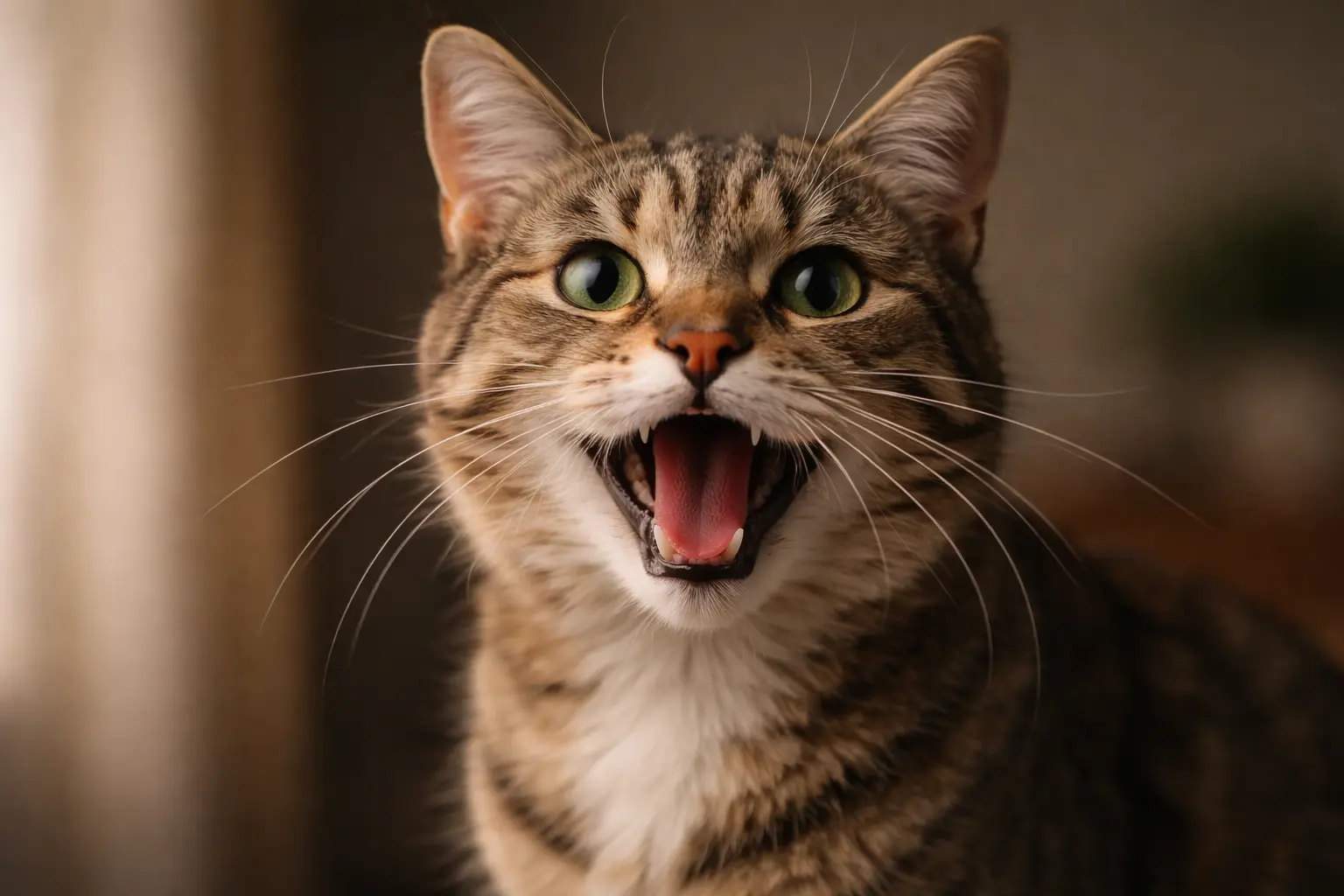
Cats are like little furry philosophers, trying to communicate with humans through their meows. Unlike dog barks, which carry a lot of emotional weight, meows can vary in tone, pitch, and frequency, making it tricky to decipher. While adult cats primarily use meowing as a way to chat with us humans, they typically reserve this vocalization for people rather than other felines. So, when your cat decides to serenade you at 2 a.m., it’s their way of saying, “Hey, human! Let’s talk!”
Different Types of Meows
Just when you think you’ve heard them all! Cats have an arsenal of meows, each serving a distinct purpose. A high-pitched meow might signal excitement (or anxiety), while a low growl could mean they have some serious business to discuss—like the state of their litter box. Short mews often represent greetings, while longer, drawn-out meows may express annoyance or a demand for your immediate attention. If only they could get a job as a translator!
Common Reasons for Nighttime Meowing
Hunger and Thirst
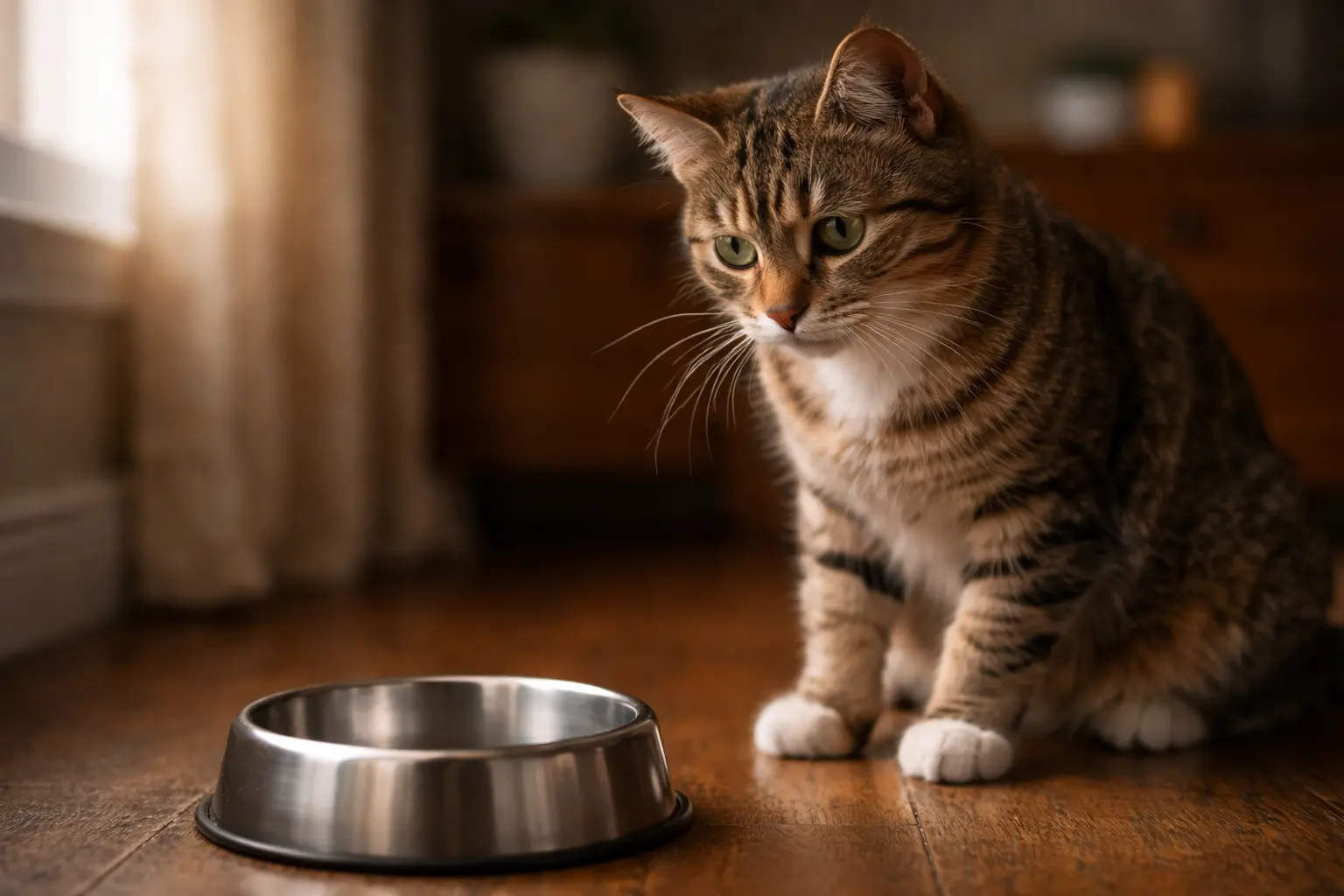
Let’s face it: cats are experts at making their humans feel guilty. If your kitty is meowing up a storm at night, it might be a polite reminder that dinner was approximately seven whole hours ago. They’re masters of the hunger game, and if their food bowl isn’t filled with kibble-slash-caviar, they’ll let you know about it. Don’t forget to check their water bowl too; nothing makes a cat crankier than being parched!
Loneliness and Boredom
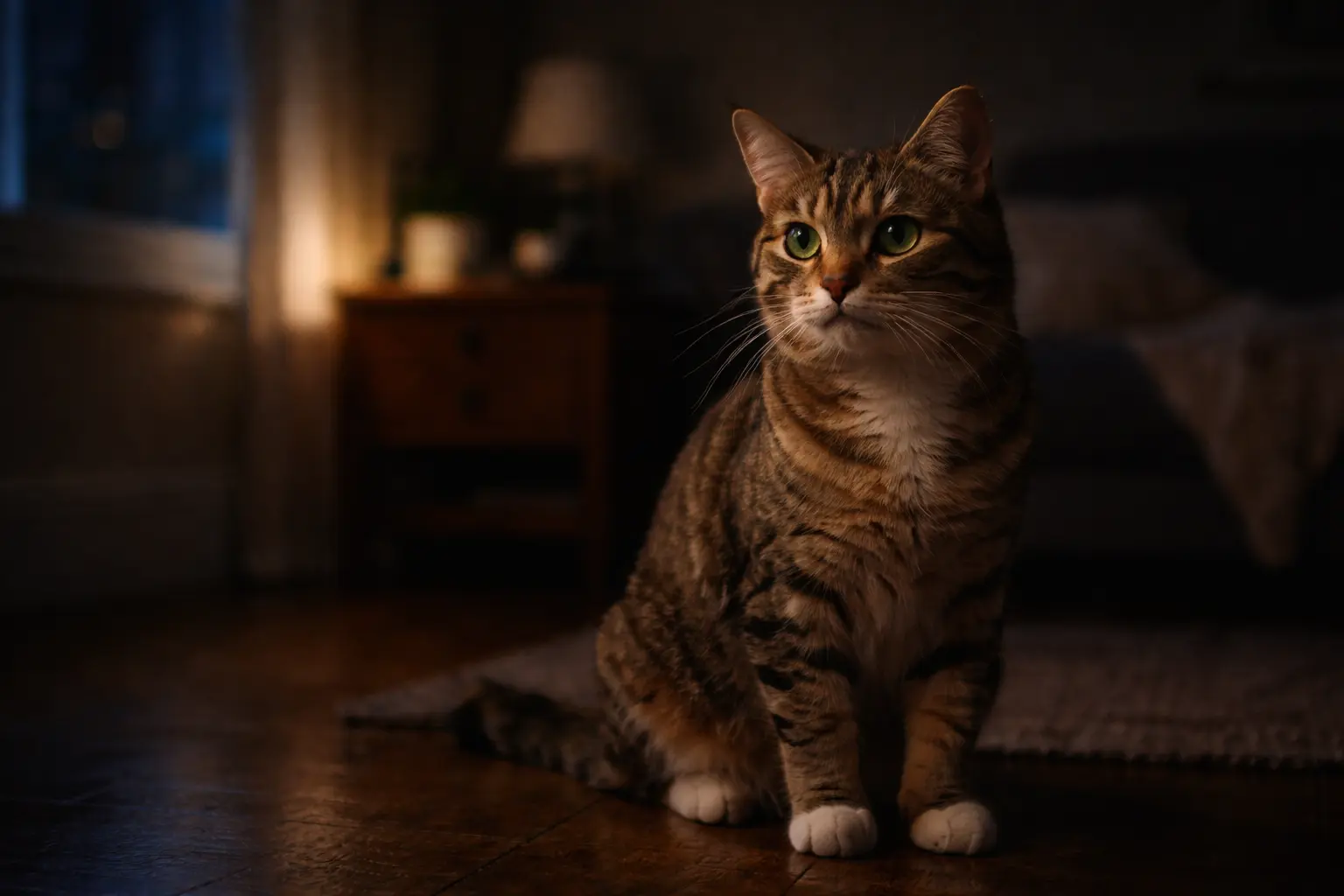
Cats can get a little lonely—who knew? If your cat doesn’t have a feline buddy to hang out with, they might feel a tad neglected when nighttime rolls around. Those late-night meows could be their way of saying, “Where’s my entertainment, human?” Consider investing in some fun toys or considering a furry roommate to help keep nighttime meowing to a minimum.
Stress and Anxiety
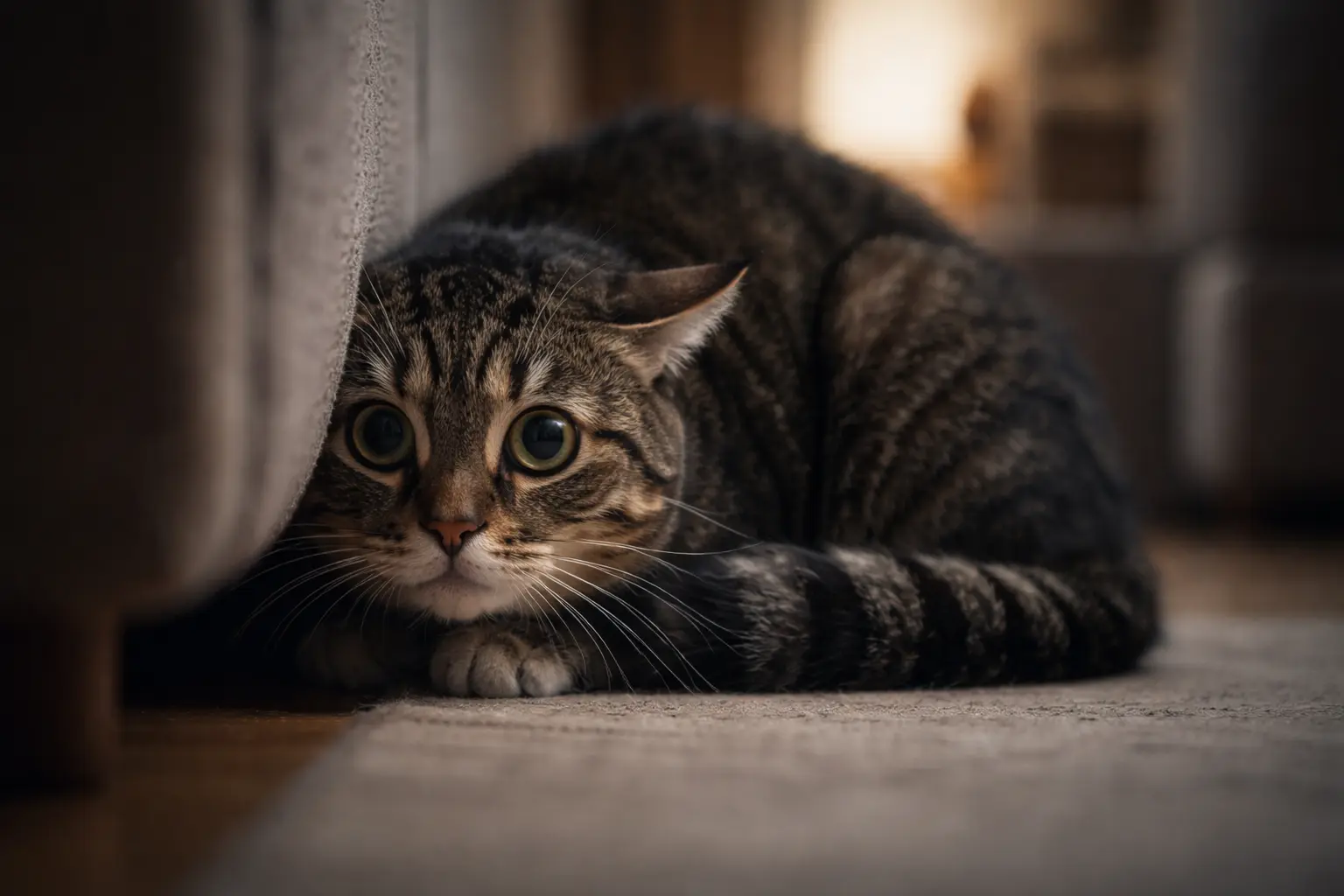
Just like humans, cats can experience anxiety. Whether it’s a new addition to the household, a loud party next door, or a sudden change in their routine, these disruptions can lead to nighttime vocalizations. If your cat’s meowing sounds a bit more desperate than usual, it might be time to investigate what’s rattling their little feline world. A calm environment and plenty of cuddle time can work wonders!
Health Issues That Could Cause Increased Vocalization
Hyperthyroidism
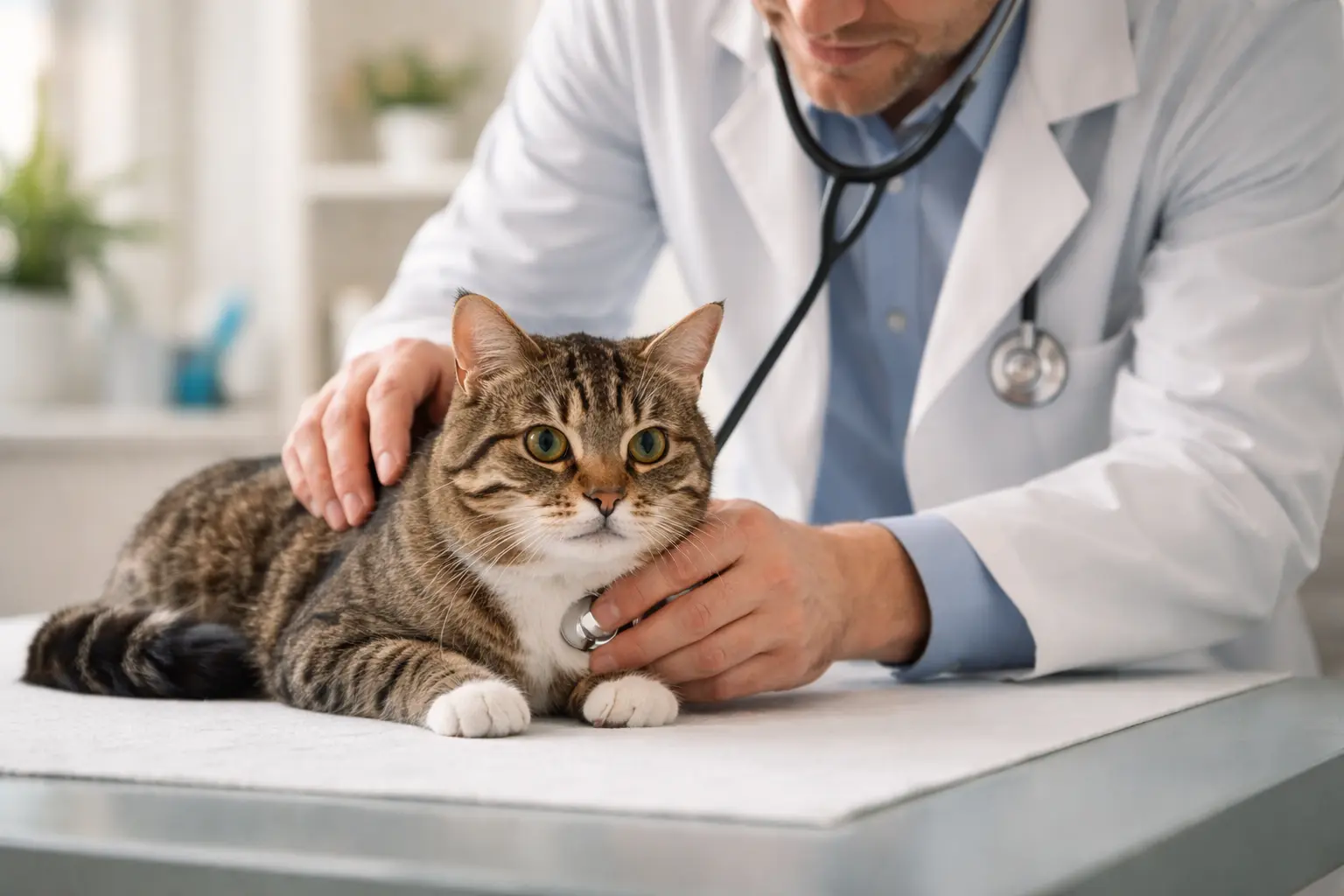
Ah, hyperthyroidism, the condition that sounds like it could be a superhero name but is far less glamorous. This common issue in older cats can lead to weight loss, increased appetite, and, you guessed it, excessive meowing. If your cat’s vocalizations have suddenly escalated and come with other concerning symptoms, it’s time for a trip to the vet.
Dementia in Older Cats
Just like us, cats can experience cognitive decline as they age. Feline dementia can lead to confusion and increased vocalization, especially at night when it’s dark and their lovely human hasn’t provided a midnight snack. If your senior cat is suddenly acting like they’re auditioning for a role in a horror movie by howling at the moon, consulting a vet can help understand if it’s dementia or just a really active imagination.
Pain or Discomfort
Sometimes, those nighttime meows aren’t a cry for food or attention but a plea for help. If your cat is meowing excessively and seems to be in pain, it could indicate an underlying health issue—think arthritis, dental problems, or even an upset tummy. It's best to err on the side of caution and get them checked out to rule out any medical concerns.
Environmental Factors Affecting Your Cat's Behavior
Noise and Disruptions
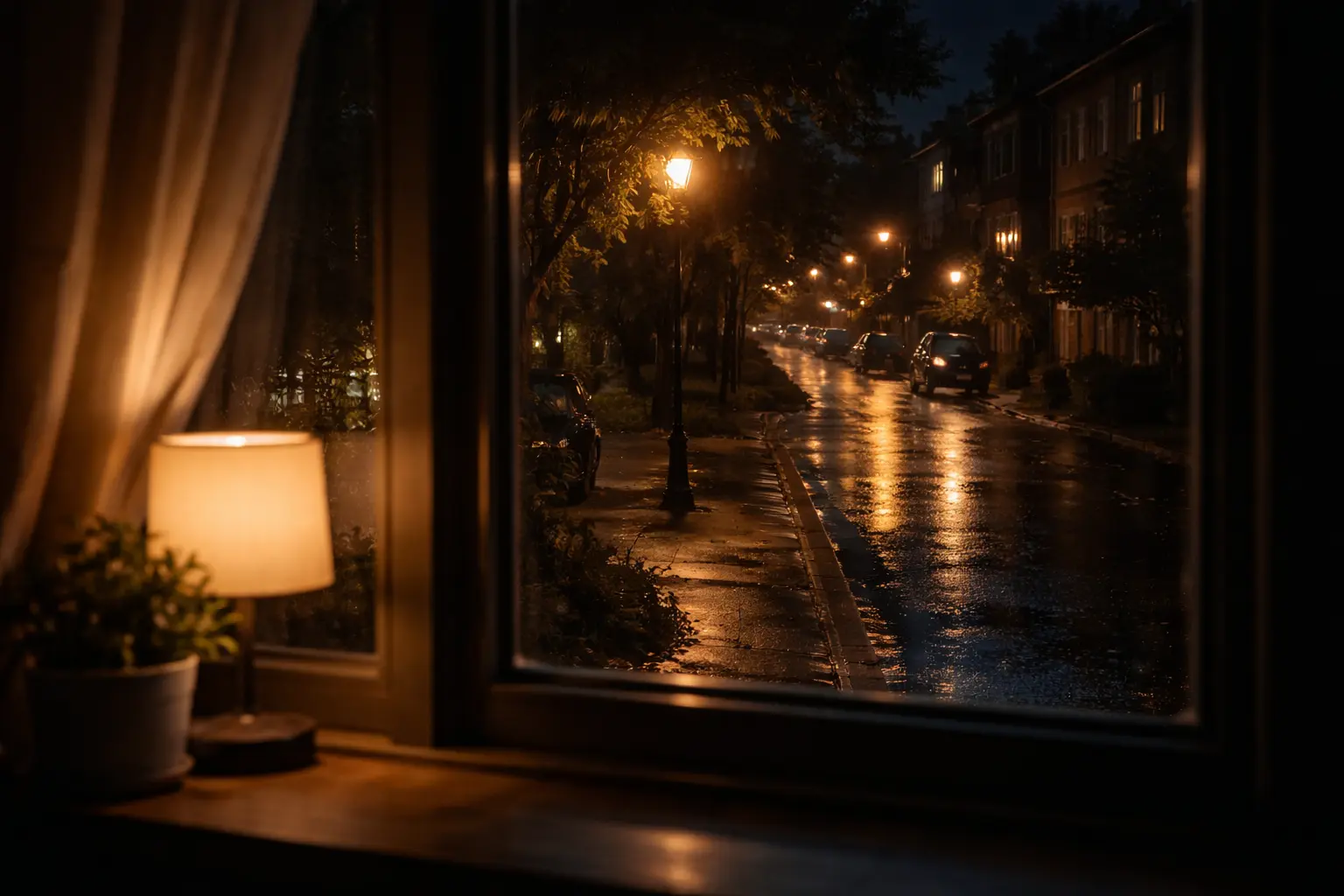
Cats, like sensitive artists, can be easily disturbed by unwanted noise. If your neighborhood has suddenly become the setting of an action movie (hello, construction site or relentless howling from the neighbor’s dog), your cat might be inclined to vocalize their discontent. Loud noises at night can trigger anxiety, leading to those midnight meow fests. Find a good soundproofing strategy—or just invest in some good earplugs!
Lighting and Sleep Patterns
Believe it or not, cats are influenced by light just like us (but with better night vision). Changes in light exposure can mess with their circadian rhythms, leading to more active nights and sleepy days. If your cat seems to be on a nocturnal schedule, consider adjusting their environment to simulate more natural light and dark cycles. Your cat might appreciate a cozy spot by the window during the day instead of bouncing off the walls at night!
The Role of Age and Breed in Nighttime Meowing
Kittens vs. Adult Cats
Kittens are like little engines revving up—full of energy and ready to explore the world, even at 2 AM. Their nighttime meowing isn't just about wanting to chat; it's often a combination of boredom and a natural instinct to practice their 'hunting' skills. Adult cats, on the other hand, might be less energetic but can still be vocal at night, primarily out of habit or if they’re feeling neglected. So, if your new fur-baby is keeping you awake, remember that it’s part of their feline charm—and that energy will eventually wane as they mature, hopefully at the same time you’re considering earplugs.
Breed-Specific Vocalization Tendencies
Some cat breeds are known for their chatty nature. Siamese cats, for instance, are the opera singers of the feline world, often meowing more than a child after a sugar rush. Maine Coons and Abyssinians also have their share of vocal tendencies. Recognizing your cat's breed can give you insight into their nocturnal serenades. If you’ve got a talkative breed, brace yourself for moonlit concerts—just remember, every meow is their way of saying, “I love you! And maybe I’m hungry… or just bored.”
Strategies to Minimize Nighttime Vocalizations
Establishing a Routine
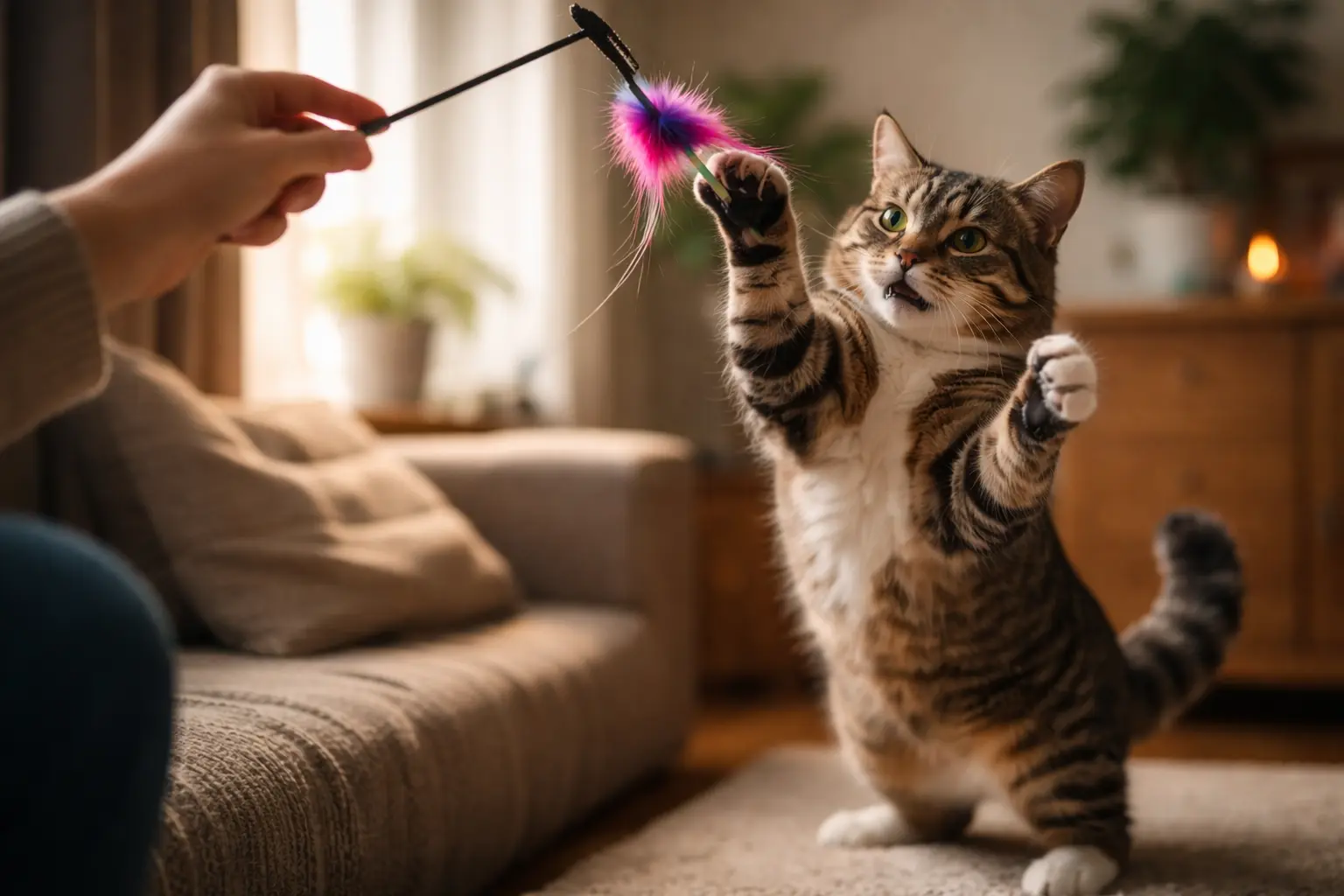
Cats thrive on routine—like a well-orchestrated symphony where they hold the baton. Try implementing a consistent bedtime routine that includes playtime, feeding, and cuddles before lights out. This helps signal to your cat that it’s time to wind down. Think of it as a feline bedtime story, minus the actual storytelling. Just avoid telling them “once upon a time” at midnight—because they definitely won't be having it!
Providing Interactive Toys
A bored cat is a vocal cat, so keep them entertained! Invest in some interactive toys that can keep your kitty engaged, such as puzzle feeders or toys that mimic prey movement. These gadgets serve two purposes: they keep your feline friend stimulated and sneakily tire them out before bedtime. Just be prepared for the occasional 3 AM game of “let’s knock everything off the shelf”—it’s all part of the fun!
Creating a Comfortable Sleep Environment

Creating a serene sleeping space is vital for reducing those late-night meows. Ensure your cat has a cozy bed in a quiet area of the house. Maybe even throw in a soft blanket—cats love to feel like royalty! If your cat's favorite sleeping position resembles an acrobat in training, consider adding a perch or a box nearby, giving them their own little sanctuary. A peaceful environment can do wonders for your nighttime tranquility.
When to Seek Veterinary Advice
Identifying Serious Health Concerns
While a meowing cat can be amusing, sudden changes in vocalization might point to health issues. If your usually quiet kitty has suddenly turned into a nighttime diva, it could signal discomfort or distress. Health problems like dental pain, hyperthyroidism, or even cognitive dysfunction can lead to increased vocalization. Keeping an eye on their behavior and speaking to your vet can help rule out any serious concerns before you start investing in your own personal set of earplugs.
Tips for Discussing Behavior with Your Veterinarian
When it’s time to have that chat with your vet, come prepared! Note the frequency of the meowing, any accompanying behavior changes, and even your cat's daily routine. This information helps your vet better understand what’s happening—and it’s also a great tactic for making you sound like a conscientious pet parent instead of someone simply exhausted by midnight concerts. Your vet may ask a few questions, but don't worry; they’re there to help, not audition for a reality show.
Conclusion: Fostering a Peaceful Night for You and Your Cat
Summary of Key Points
Nighttime meowing can be influenced by factors like age and breed, and understanding these can help you navigate your cat's nighttime antics. Establishing a routine, providing engaging toys, and creating a cozy sleep environment are all effective strategies to minimize those midnight serenades. And don’t forget to keep an eye out for any signs of health issues; your vet can be your best ally.
Reminders for Cat Owners
Being a cat parent comes with a unique set of challenges—like learning to sleep through the sounds of your feline's late-night drama. Patience, understanding, and a good sense of humor can go a long way in fostering a peaceful cohabitation. Remember, your cat may just be trying to keep you on your toes—after all, it’s a cat’s world; you’re just living in it!In conclusion, understanding why your cat meows at night is crucial for addressing their needs and creating a harmonious living environment. By considering factors such as health, age, and environmental influences, you can take effective steps to reduce nighttime vocalizations. Whether it's through establishing a routine, seeking veterinary advice, or providing a stimulating atmosphere, your efforts can lead to a more peaceful night for both you and your feline companion. Remember, a happy cat contributes to a happy home.
FAQs
1. Is it normal for cats to meow at night?
Yes, it is normal for cats to meow at night, but excessive meowing may indicate underlying issues that need to be addressed.
2. How can I stop my cat from meowing at night?
You can reduce nighttime meowing by establishing a consistent routine, providing plenty of playtime and stimulation during the day, and ensuring your cat's basic needs are met.
3. What health issues can cause increased nighttime vocalization in cats?
Health issues such as hyperthyroidism, arthritis, or cognitive dysfunction can lead to increased vocalization. If you suspect a health issue, consult your veterinarian.
4. Do certain cat breeds meow more than others?
Yes, some breeds, such as Siamese and Oriental cats, are known for being more vocal than others, which can contribute to nighttime meowing.